
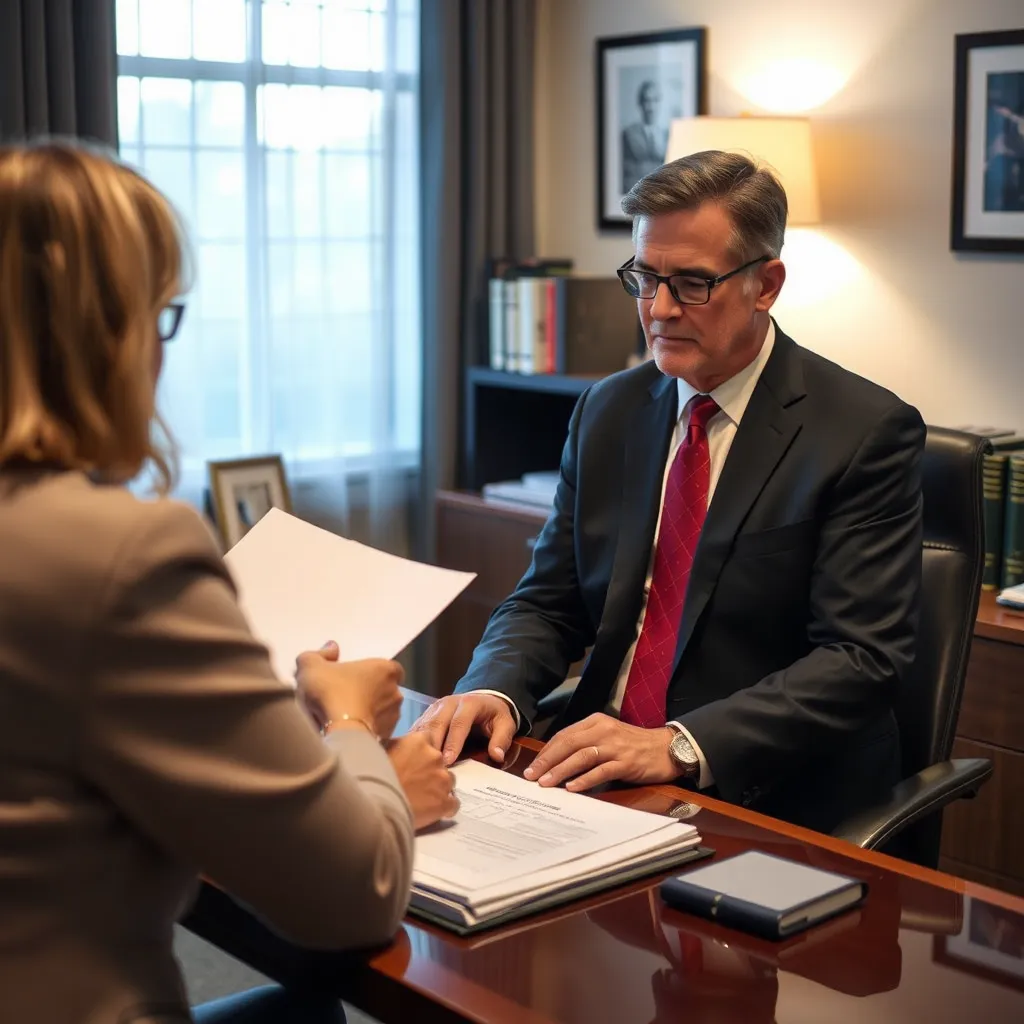
Standby Guardianship Lawyer Fairfax, VA
Planning for a child’s future when a parent may not be able to care for them is one of the most important decisions a family can make. In Fairfax, Virginia, standby guardianship provides a legal mechanism that allows a parent to designate a trusted adult to step in as guardian without a contested court battle. Whether a parent is facing a serious medical condition, a military deployment, or other circumstances that could temporarily or permanently impair their ability to parent, a properly executed standby guardianship designation protects the child’s stability and gives the parent peace of mind. Law Offices Of SRIS, P.C. Concentrates part of its family law practice on standby guardianship matters in Fairfax County and the City of Fairfax. Mr. Sris, a former prosecutor, and the firm’s Of Counsel attorneys guide families through the requirements of Virginia’s Standby Guardianship Act and represent them in the Fairfax Juvenile and Domestic Relations District Court and Circuit Court. To discuss whether a standby guardianship designation is appropriate for your family, reach us at (888) 437-7747. Law Offices Of SRIS, P.C. – Advocacy Without Borders.
What Standby Guardianship Means in Fairfax, VA
Standby guardianship under Virginia law allows a parent (or a legal custodian) to name a person who will assume the role of guardian for a minor child upon the occurrence of a specified triggering event—such as the parent’s incapacity, deployment, or death—without requiring a separate, contested court proceeding at that critical moment. The designation is made in writing, signed by the parent and the proposed standby guardian, and filed with the Juvenile and Domestic Relations District Court. Once the court approves the designation, it becomes effective only when the triggering event is confirmed, usually by the parent’s attending physician or another qualified professional. This arrangement ensures that the child will not enter the foster-care system or linger in legal limbo while extended family members seek custody.
In Fairfax County and the City of Fairfax, standby guardianship cases are heard by the Fairfax County Juvenile and Domestic Relations District Court (J&DR Court) at 4110 Chain Bridge Road, Fairfax, VA 22030, which has jurisdiction over custody, visitation, and protective orders involving minors. The Fairfax J&DR Court serves families in all of Fairfax County’s communities—Burke, Centreville, Chantilly, Herndon, Reston, McLean, Vienna, Tysons, Oakton, Springfield, Annandale, Falls Church, and the City of Fairfax itself. While the standby guardianship statute sets out the procedure, local court practices and the preferences of individual judges can influence how a designation is reviewed. Mr. Sris and the firm’s Of Counsel attorneys regularly appear in these courts and are familiar with the expectations of the bench and the court’s intake procedures. An experienced family law attorney can help ensure that the petition and supporting documents comply with the requirements of the Virginia Code and with the specific expectations of the Fairfax courts.
Because standby guardianship designations often emerge in the context of other family law proceedings—such as divorce, custody modifications, or child support matters—the Circuit Court for Fairfax County (4110 Chain Bridge Road) may also become involved if a related domestic-relations case is pending. The firm’s representation spans both the J&DR Court and the Circuit Court, allowing a coordinated approach when a standby guardianship matter intersects with broader family law issues. Families in Fairfax can work with a single legal team that understands how these different court levels interact.
How Mr. Sris and the Firm’s Of Counsel Attorneys Handle Standby Guardianship Cases
Every standby guardianship case begins with a conversation about the family’s specific circumstances. Mr. Sris, the firm’s Owner and Founder, personally consults with potential designating parents to evaluate whether a standby guardianship designation is suitable and to prepare the necessary documentation. The attorney ensures that the designation meets the statutory requirements—identifying the parent, the child, the proposed standby guardian, and the triggering event—and that the parent’s consent is informed and voluntary. The petition and a parent’s affidavit are then filed with the Fairfax J&DR Court. The attorney also advises the proposed standby guardian on the responsibilities they will assume and arranges for the required notifications to any other parent or interested party.
Once the designation is on file, the court reviews the submission and may schedule a hearing. At the hearing, the judge will confirm that the parent understands the effect of the designation and that the standby guardian is suitable. Mr. Sris and the firm’s Of Counsel attorneys appear with the parent and the proposed guardian to present the evidence and answer the court’s questions. After approval, the designation remains dormant until the triggering event occurs. When that event happens—often a medical emergency, deployment, or the parent’s death—the standby guardian, with the assistance of counsel, can petition the court for confirmation and immediate appointment, minimizing the disruption to the child’s life. Throughout the process, the firm works to keep the matter as straightforward and non-adversarial as possible, but is prepared to litigate if an opposing party challenges the designation.
About Mr. Sris and the Firm’s Of Counsel Attorneys
Mr. Sris, Owner and Founder of Law Offices Of SRIS, P.C., is a former prosecutor who founded the firm in 1997. He practices in Virginia, Maryland, the District of Columbia, New Jersey, and New York, and concentrates a portion of his family law practice on standby guardianship matters in Fairfax. Mr. Sris testified before the Virginia House Courts of Justice Committee in support of 2019 HB 635 (chief patron Del. David Bulova), a bill that revised the equitable distribution statute. His experience with the legislative process and with Virginia family law gives him a thorough understanding of the statutory framework that governs guardianship designations.
Mr. Sris and the firm’s Of Counsel attorneys bring extensive combined legal experience to every matter. The Of Counsel attorneys are experienced litigators with backgrounds in family law, criminal defense, and child-welfare proceedings. Together, they have documented case results across all practice areas since 1997. Results may vary. A single phone call to (888) 437-7747 can put you in touch with a team that understands both the legal requirements and the human dimensions of standby guardianship.
Frequently Asked Questions
Who can be a standby guardian in Virginia?
A standby guardian in Virginia must be an adult selected by the parent and approved by the court. Any competent adult over the age of 18 may be designated, provided the court finds that the appointment is in the child’s best interests. The proposed guardian does not need to be a blood relative, but courts often look favorably on extended family members—such as grandparents, aunts, or uncles—who have an existing relationship with the child. The parent’s choice is given substantial weight as long as the guardian is fit and willing to serve.
How does a standby guardianship differ from a regular guardianship?
Standby guardianship takes effect only upon a specified future event, whereas a regular guardianship is immediate. In a standby guardianship, the parent retains full parental rights and custody until the triggering event—such as the parent’s incapacity, deployment, or death—occurs. The guardian is “on standby.” Once the event is confirmed, the guardian can petition the Fairfax J&DR Court for immediate appointment without having to initiate a full-blown custody proceeding. This reduces the delay and uncertainty that often follow an emergency.
What triggers a standby guardianship to activate?
The designation itself specifies the triggering event, which is often the parent’s incapacity, military deployment, or passing. Incapacity is usually verified by the parent’s attending physician. Deployment is confirmed by the parent’s military orders. Once the standby guardian files a copy of the designation and the evidence of the triggering event with the Fairfax J&DR Court, the court may confirm the appointment. Until that confirmation, the parent continues to act as the child’s legal custodian.
Can a standby guardianship designation be revoked?
Yes, a parent may revoke a standby guardianship designation at any time before it becomes effective. Revocation must be in writing, served on the standby guardian, and filed with the court. If the parent recovers from the condition that gave rise to the designation, they can file to terminate the standby guardianship even after it has been activated. The court will determine custody based on the child’s best interests at that time.
Is a lawyer necessary for a standby guardianship designation in Fairfax?
Virginia law does not require an attorney, but legal guidance helps ensure the designation is compliant and enforceable. A parent can draft and file a designation on their own, but errors in the document or in the triggering-event confirmation can delay the guardian’s ability to act when it is most needed. For a case involving deployment, a parent with a serious medical condition, or any potential family conflict, having an experienced family law attorney prepare the petition and handle the court hearing can avoid later complications. To discuss whether an attorney is right for your situation, reach us at (888) 437-7747.
What courts handle standby guardianship in Fairfax?
Standby guardianship designations are filed and heard in the Fairfax County Juvenile and Domestic Relations District Court. If a related divorce, custody, or child support matter is pending in the Fairfax County Circuit Court, that court may also address the standby guardianship issue. The firm’s attorneys practice in both courts and can coordinate the filing so that the designation is properly before the judge who has jurisdiction over the related family proceedings.
Internal-link navigation:
Fairfax County Family Law Lawyer |
Fairfax Guardianship Lawyer |
Fairfax Child Custody Lawyer India is not a signatory to the 1980 Hague Convention on Civil Aspects of International Child Abduction. |
Fairfax Emergency Guardianship |
Fairfax Kinship Guardianship
Virginia primary sources:
Virginia Code — Title 20 (Domestic Relations) |
Virginia Juvenile and Domestic Relations District Courts |
Virginia Judicial System
Attorney advertising. Prior results do not guarantee a similar outcome.
Case results depend on a variety of factors unique to each case.