
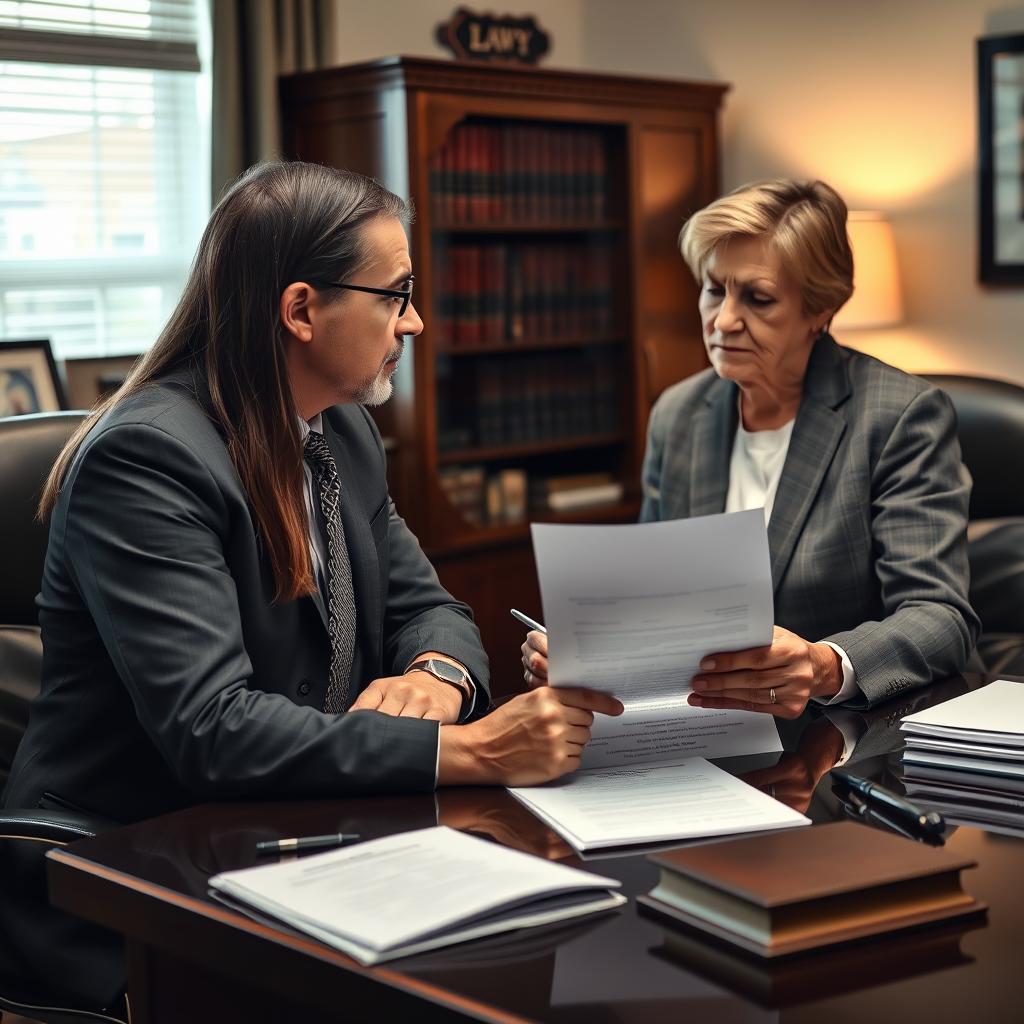
Sexual Battery Lawyer Manassas, VA
A sexual battery charge in Virginia is a serious matter. Under Va. Code § 18.2‑67.4, the offense involves non‑consensual sexual touching accomplished through force, threat, intimidation, or ruse, or when the alleged victim is mentally incapacitated or physically helpless. Cases arising in Manassas are prosecuted in the Manassas General District Court, located at 9311 Lee Avenue, Suite 230, Manassas, Virginia 20110. A conviction exposes the accused to incarceration, fines, and a permanent criminal record that can affect employment, housing, and other rights. Law Offices Of SRIS, P.C. – Advocacy Without Borders.
The collateral consequences of a sexual battery conviction extend well beyond the criminal sentence imposed by the court. A conviction may affect professional licensing, security clearances, and eligibility for certain types of employment. Individuals convicted of sexual battery may face restrictions on where they can live or work, particularly in fields involving contact with minors or vulnerable populations. In some circumstances, even a misdemeanor sexual battery conviction can trigger sex-offender registration requirements, which carry their own set of reporting obligations and public-notification provisions. Understanding these potential consequences early in the process allows a defendant to make informed decisions about how to proceed with the case. The stakes are high, and the decisions made at each stage of the proceeding can have lasting effects.
Law Offices Of SRIS, P.C. represents individuals facing sexual battery charges in Manassas. Founded in 1997, the firm brings decades of defense experience to every matter. Mr. Sris, a former prosecutor, and his Of Counsel team understand how the Commonwealth builds these cases. They work to protect clients’ rights from the first appearance through resolution, whether by negotiation or trial. To request a consultation, reach our Fairfax Location at (888) 437‑7747.
What Sexual Battery Means Under Virginia Law
Sexual battery under Va. Code § 18.2‑67.4 is a Class 1 misdemeanor punishable by up to 12 months in jail and a fine of up to $2,500.
Source: Virginia Code § 18.2‑67.4. Va. Code § 18.2‑67.4
Reviewed by Mr. Sris, admitted in VA/MD/DC/NJ/NY.
The statute defines sexual battery as sexual abuse—touching of the intimate parts or materials of another person—committed against the complaining witness’s will by force, threat, intimidation, or ruse, or through the use of the complainant’s mental incapacity or physical helplessness. The offense is a Class 1 misdemeanor. Repeat offenses may be elevated to a Class 6 felony, carrying substantially greater consequences.
The legal definition of “intimate parts” under Virginia law includes the genitalia, anus, groin, breast, or buttocks of any person. The term “sexual abuse” as used in the statute encompasses any act performed with the intent to sexually molest, arouse, or gratify any person. Importantly, the statute does not require that the touching be for a prolonged duration or that it involve skin-to-skin contact. Touching through clothing can satisfy the elements of the offense if the other statutory requirements are met. The Commonwealth must prove each element of the offense beyond a reasonable doubt. This includes proving that the touching was intentional and that it occurred under circumstances described by the statute—through force, threat, intimidation, ruse, or when the alleged victim lacked the capacity to consent.
Cases are heard in the Manassas General District Court. That court has jurisdiction over misdemeanor trials and felony preliminary hearings. If the charge is a felony, it moves to the Manassas Circuit Court for trial. The Commonwealth’s Attorney prosecutes sexual battery cases, and defendants have an absolute right to a jury trial in Circuit Court for any offense carrying potential jail time.
The procedural timeline in a sexual battery case typically begins with an arrest or the issuance of a warrant. The first court appearance is an arraignment, where the defendant is formally advised of the charges and the right to counsel. At the arraignment, the court may set bond conditions. In sexual battery cases, bond conditions can include restrictions on contact with the alleged victim, geographic limitations, and other requirements designed to ensure the safety of the complaining witness and the community. Following arraignment, the case proceeds through pretrial motions, discovery, and potentially a preliminary hearing if the charge is a felony. Misdemeanor cases are set for trial in the General District Court. Throughout this process, both the prosecution and the defense have opportunities to investigate the facts, interview witnesses, and assess the strength of the evidence.
Virginia’s procedural rules allow prosecutorial negotiation. While judges do not participate in plea‑bargaining, the Commonwealth may agree to amend charges or make sentencing recommendations. An experienced defense attorney works to identify weaknesses in the prosecution’s case and seek the most favorable resolution possible.
How Mr. Sris and His Of Counsel Handle Sexual Battery Cases
Defending a sexual battery charge in Manassas begins with a detailed review of the evidence. Mr. Sris and his Of Counsel examine police reports, witness statements, forensic records, and any video or digital evidence. They evaluate every procedural step, including the legality of the stop, search, and interrogation. Any violation of the defendant’s constitutional rights can become grounds to seek suppression of evidence or dismissal.
One area of particular focus in sexual battery cases is the context in which the alleged touching occurred. Many of these cases involve situations where the parties know each other, and the events took place in private settings without independent witnesses. In such circumstances, the case may turn on the credibility of the complaining witness and the defendant’s account of what happened. The firm examines inconsistencies in statements, motives to fabricate or exaggerate, and any available evidence that corroborates or contradicts the respective narratives. Digital evidence—including text messages, social-media posts, and location data—can play an important role in establishing the sequence of events and the nature of the interaction between the parties.
In cases where the prosecution’s evidence is strong, the focus shifts to negotiation. The firm works with the Commonwealth’s Attorney to explore alternatives—amending the charge to a less serious offense, securing a deferred disposition where possible, or advocating for a resolution that minimizes the long‑term impact on the client’s record and livelihood. If a trial is necessary, Mr. Sris and his Of Counsel prepare thoroughly, cross‑examine witnesses, and present a clear defense. Throughout the process, they keep clients informed and involved, ensuring each decision is made with a full understanding of the risks and options.
The firm also evaluates whether any pretrial motions may be appropriate. Motions to suppress evidence, motions to compel discovery, and motions for a bill of particulars are among the tools available to the defense. In some cases, a motion to dismiss may be warranted if the charging documents are defective or if the alleged conduct, even if accepted as true, does not satisfy the elements of the offense. Each case is assessed individually, and the strategy is tailored to the specific facts and legal issues presented.
About Mr. Sris and His Of Counsel Team
Mr. Sris, Owner and Founder of Law Offices Of SRIS, P.C., has practiced criminal defense for more than two decades. A former prosecutor, he has firsthand insight into how the government builds cases. He testified before the Virginia House Courts of Justice Committee in support of 2019 HB 635 (chief patron Del. David Bulova). He is admitted in Virginia, Maryland, the District of Columbia, New Jersey, and New York.
Mr. Sris and his Of Counsel bring extensive combined legal experience to sexual battery defense. Results may vary. The firm’s Of Counsel team includes attorneys who previously served as a state trooper and as an assistant state’s attorney, offering a practical understanding of both law‑enforcement tactics and prosecutorial strategy. Together, they serve Manassas clients from the Fairfax Location, working collectively to pursue favorable outcomes for every matter they handle.
Frequently Asked Questions
What is the penalty for sexual battery in Virginia?
Sexual battery is a Class 1 misdemeanor carrying up to 12 months in jail and a fine of up to $2,500. A second or subsequent conviction can be treated as a Class 6 felony. In addition, a conviction may require registration as a sex offender in certain circumstances. The specific sentence depends on the facts of the case and the defendant’s prior record.
Do I need a lawyer for a sexual battery charge in Manassas?
Yes, a lawyer is essential for a sexual battery charge. Even a misdemeanor conviction can result in jail time, fines, and a lasting criminal record that affects employment, housing, and professional licenses. A defense attorney can challenge evidence, negotiate with the prosecutor, and, if necessary, advocate at trial. Attempting to handle the matter alone carries significant risks.
How is sexual battery different from aggravated sexual battery?
Aggravated sexual battery is a more serious felony offense under Va. Code § 18.2‑67.3. It involves additional factors such as the victim being under 13, the offender using force that causes serious bodily injury, or the offender acting in a position of authority over the victim. Aggravated sexual battery is a Class 4 felony with a sentence of two to ten years in prison and mandatory sex‑offender registration, whereas simple sexual battery is a misdemeanor.
Can a sexual battery charge be expunged in Virginia?
Expungement is available only for charges that result in an acquittal, dismissal, or nolle prosequi. Under Va. Code § 19.2‑392.2, a person may petition the circuit court to expunge the records of a charge that did not lead to a conviction. Most convictions themselves are not eligible for expungement under current Virginia law. The petition must be filed in the Manassas Circuit Court.
What defenses are available against a sexual battery charge?
Several defenses may apply, including lack of force, threat, or intimidation; consent; mistaken identity; or fabrication. Additionally, procedural errors—such as an unlawful stop, improper interrogation, or a violation of speedy‑trial rights—can weaken the prosecution’s case. An experienced defense attorney evaluates all the evidence and develops a strategy tailored to the specific facts.
Related Legal Resources
- Criminal Defense Lawyer in Prince William County
- Criminal Defense Lawyer in Manassas Park
- Criminal Defense Lawyer in Fairfax County
Official Virginia sources: Virginia Code Title 18.2 | Manassas General District Court
Attorney advertising. Prior results do not guarantee a similar outcome. Case results depend on a variety of factors unique to each case.
Results may vary.