
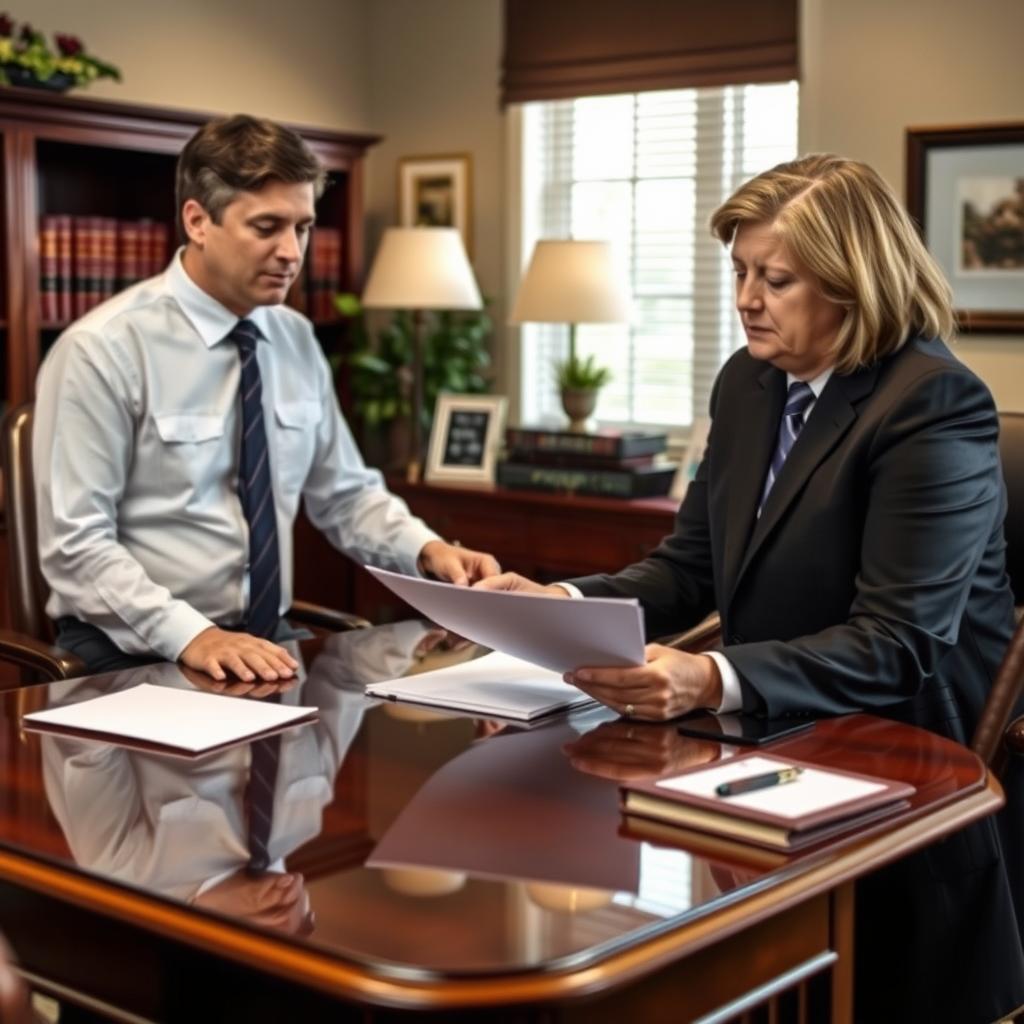
Rehabilitative Alimony Lawyer Loudoun County, VA
Rehabilitative alimony is a form of spousal support designed to bridge the gap between dependency and self-sufficiency. In Loudoun County’s fast-growing, increasingly complex economy, the award of rehabilitative support under Va. Code § 20‑107.1 requires a careful presentation of each spouse’s earning capacity, educational background, and contributions to the marriage. The Loudoun County Circuit Court at 18 East Market Street, Leesburg, holds exclusive jurisdiction over divorce and spousal‑support determinations, meaning every rehabilitative‑alimony case in Loudoun ultimately rests on how well the facts are presented to a judge who applies the statutory factors. Whether you are requesting support or opposing a demand, the legal and financial stakes are high, and the outcome can shape your standard of living for years after the divorce. Mr. Sris and his Of Counsel represent clients throughout Loudoun County—Ashburn, Leesburg, Sterling, Purcellville, South Riding, and surrounding communities—in all phases of spousal‑support litigation. To request a consultation, reach Law Offices Of SRIS, P.C. at (888) 437‑7747.
What Rehabilitative Alimony Means in Loudoun County
The Loudoun County Circuit Court handles the full range of divorce and spousal‑support matters, including requests for rehabilitative alimony. Because Loudoun is home to many technology and professional‑services families, the economic dynamics frequently involve substantial income, deferred‑compensation packages, and a spouse who may have left a career to support the family. Virginia law does not automatically award alimony; the party seeking support must demonstrate a need and an ability of the other spouse to pay. Under Va. Code § 20‑107.1, the court considers thirteen statutory factors when deciding whether to award rehabilitative maintenance, its amount, and its duration. Those factors include the length of the marriage, the standard of living established during the marriage, the age and physical condition of each party, the financial resources and earning capacities of each spouse, and the contributions each party made to the family’s well‑being. In practice, the court’s analysis focuses heavily on the requesting spouse’s present and potential future earning ability, and whether a defined period of support will allow that spouse to acquire the education or training necessary to re‑enter the workforce at a comparable economic level.
Loudoun County’s unique demographic profile often places vocational‑rehabilitation plans at the center of a rehabilitative‑alimony dispute. The court may receive evidence concerning the cost and duration of a proposed educational program, the current job market for that field, and the supported spouse’s reasonable prospects for employment after completing the plan. Mr. Sris and his Of Counsel are familiar with how Loudoun County Circuit Court judges weigh this evidence and with the local procedural requirements, including the need to file a detailed income‑and‑expense statement, adhere to the court’s scheduling orders, and, when appropriate, engage vocational attorneys. Mediation is available but not mandatory in Virginia, and many Loudoun cases are resolved through a negotiated separation agreement that defines the terms of rehabilitative support. If an agreement cannot be reached, the matter proceeds to a hearing where the judge makes findings on the record. Law Offices Of SRIS, P.C. Appears regularly in Loudoun County Circuit Court and understands how to present a rehabilitative‑alimony case that addresses both the statutory factors and the practical realities of the local economy.
How Mr. Sris and His Of Counsel Handle Rehabilitative Alimony Cases
Because rehabilitative alimony is forward‑looking by design, the strategy begins with a thorough assessment of the requesting spouse’s actual ability to achieve self‑sufficiency. Mr. Sris and his Of Counsel work with clients to gather documentation of both parties’ education, employment history, health status, and current income, and to evaluate whether a vocational plan is realistic. When a plan is proposed, our approach includes scrutinizing the cost, the length of the proposed training, and the likelihood that it will lead to meaningful employment within a reasonable time. If the requested support is not tied to a concrete plan, we may challenge the petition on the ground that the moving party has not met the burden of showing need. On the other hand, when our client is the one seeking support, we marshal evidence of the sacrifices made during the marriage—such as interrupting a career or moving for the other spouse’s job—and construct a detailed case for why rehabilitative maintenance is necessary and for how long. Mr. Sris and his Of Counsel bring extensive combined legal experience to these matters. Results may vary.
Discovery in a Loudoun County rehabilitative‑alimony case may include interrogatories, requests for production of financial documents, and depositions. We handle each step with an eye toward the eventual hearing. Because Virginia is an equitable‑distribution state, the property‑division phase often interacts with the support phase; the court may adjust the overall equities by structuring alimony to complement the property award. Our team coordinates the equitable‑distribution analysis with the support analysis so that the final result is internally consistent and sustainable. We also address common post‑decree issues such as motions to modify or terminate rehabilitative support when the recipient’s circumstances change before the end of the defined period. Throughout the process, we maintain focus on the client’s objectives: obtaining fair support, limiting unwarranted demands, or ensuring that the terms of a settlement agreement are properly enforced.
About Mr. Sris and His Of Counsel Team
Mr. Sris is the Owner and Founder of Law Offices Of SRIS, P.C. A former prosecutor who founded the firm in 1997, he is admitted to practice in Virginia, Maryland, the District of Columbia, New Jersey, and New York. Mr. Sris testified before the Virginia House Courts of Justice Committee in support of 2019 HB 635 (chief patron Del. David Bulova). His familiarity with the legislative process and with Virginia’s equitable‑distribution and support statutes informs the firm’s family‑law practice at every level. The firm’s Of Counsel attorneys are experienced litigators who concentrate a substantial portion of their practice in Virginia domestic‑relations matters; they regularly appear in the Loudoun County Circuit Court and collaborate with Mr. Sris on complex support‑and‑property cases. Every family‑law matter is handled with a commitment to achieving a favorable, practical resolution.
The firm’s Ashburn Location—at 20130 Lakeview Center Plaza, Room 403, Ashburn, VA 20147, by appointment only—serves clients throughout Loudoun County, including Leesburg, Sterling, Purcellville, South Riding, Brambleton, Aldie, Hamilton, Lovettsville, Middleburg, and Round Hill. In‑person consultations are available by appointment; you can also arrange a phone consultation by calling (888) 437‑7747. Our team includes professionals conversant in Spanish and Tamil, helping us serve Loudoun’s diverse communities. Mr. Sris and his Of Counsel are accessible, responsive, and prepared to handle rehabilitative‑alimony matters at every stage—from initial negotiation through trial and any necessary post‑trial proceedings.
Frequently Asked Questions
How does a Virginia lawyer defend against a request for rehabilitative alimony?
An experienced family‑law attorney defends against a rehabilitative‑alimony request by challenging the need for support and the feasibility of the proposed vocational plan. In Loudoun County Circuit Court, the defense often focuses on showing that the requesting spouse already has the ability to be self‑supporting or that the vocational plan is unrealistic. Counsel may present evidence of the spouse’s work history, educational background, and current earning capacity. Where a plan is proposed, the defense may demonstrate that the cost and duration of the training are disproportionate to the benefit, or that the targeted occupation will not restore the spouse to a standard reasonably comparable to the marital standard. The burden rests on the moving party, and a skilled defense can defeat a poorly supported petition. For guidance on your specific situation, reach Law Offices Of SRIS, P.C. at (888) 437‑7747.
What should I do if my spouse is seeking rehabilitative alimony in Loudoun County?
If your spouse is seeking rehabilitative alimony, you should immediately gather financial records, preserve documents concerning your spouse’s education and employment history, and consult a family‑law attorney. A request for rehabilitative support can profoundly affect your finances, so prompt action is essential. Your attorney will need to see tax returns, pay stubs, bank statements, retirement‑account statements, and any evidence of your spouse’s qualifications and earning ability. If a vocational experienced attorney has been retained, you may also need your own experienced attorney to evaluate the plan. Do not agree to any informal support arrangement without first speaking with counsel. To discuss the details of your matter, contact Law Offices Of SRIS, P.C. at (888) 437‑7747.
How is rehabilitative alimony different from permanent alimony in Virginia?
Rehabilitative alimony is designed to end after a set period when the recipient becomes self‑sufficient, while permanent (indefinite) alimony generally continues without a fixed termination date. Under Va. Code § 20‑107.1, the court may award rehabilitative maintenance to allow a spouse to obtain the education or training needed to re‑enter the workforce. Indefinite support, by contrast, is reserved for situations where the receiving spouse likely cannot achieve self‑sufficiency because of age, disability, or the length of absence from the job market. The distinction is critical: a rehabilitative award typically terminates on a specific date or upon completion of a training program, whereas modification or termination of indefinite support requires a material change in circumstances. For a consultation, reach Mr. Sris and his Of Counsel at (888) 437‑7747.
What factors does the court consider when awarding rehabilitative alimony?
The Loudoun County Circuit Court considers the thirteen statutory factors set out in Va. Code § 20‑107.1, including the length of the marriage, the standard of living during the marriage, each party’s age and health, and the earning capacities and financial resources of each spouse. The court also examines the contributions each party made to the family’s well‑being, the property interests of each spouse, and the extent to which a party’s earning capacity has been affected by a decision to forgo employment for the benefit of the family. The analysis is fact‑intensive and often requires testimony from vocational and financial attorneys. The judge has discretion to weigh the factors and fashion an award that is fair under the specific circumstances. For guidance on your specific situation, reach Law Offices Of SRIS, P.C. at (888) 437‑7747.
Do I need a lawyer for a rehabilitative alimony case in Loudoun County?
While you are not legally required to have a lawyer, rehabilitative‑alimony cases involve complex financial issues and statutory factors that are difficult to present effectively without experienced counsel. A lawyer can help you assess the viability of a claim or defense, gather and organize the necessary financial evidence, depose opposing parties and attorneys, and present a persuasive argument to the court. The Loudoun County Circuit Court expects compliance with procedural rules, and failure to meet scheduling deadlines or properly serve pleadings can prejudice your position. Mr. Sris and his Of Counsel are familiar with the local court and its expectations. To discuss the details of your matter, contact Law Offices Of SRIS, P.C. at (888) 437‑7747.
Explore related Family Law pages: Family Law Lawyer Fairfax County, VA • Family Law Lawyer Prince William County, VA • Family Law Lawyer Stafford County, VA • Family Law Lawyer Fauquier County, VA • Family Law Lawyer Arlington County, VA
Official Virginia primary sources: Virginia Code Title 20 (Domestic Relations) • Loudoun County Circuit Court • Virginia Judicial System
Attorney advertising. Prior results do not guarantee a similar outcome. Case results depend on a variety of factors unique to each case. Results may vary. Law Offices Of SRIS, P.C., by appointment only at 20130 Lakeview Center Plaza, Room 403, Ashburn, VA 20147. Reach our location at (888) 437‑7747.