
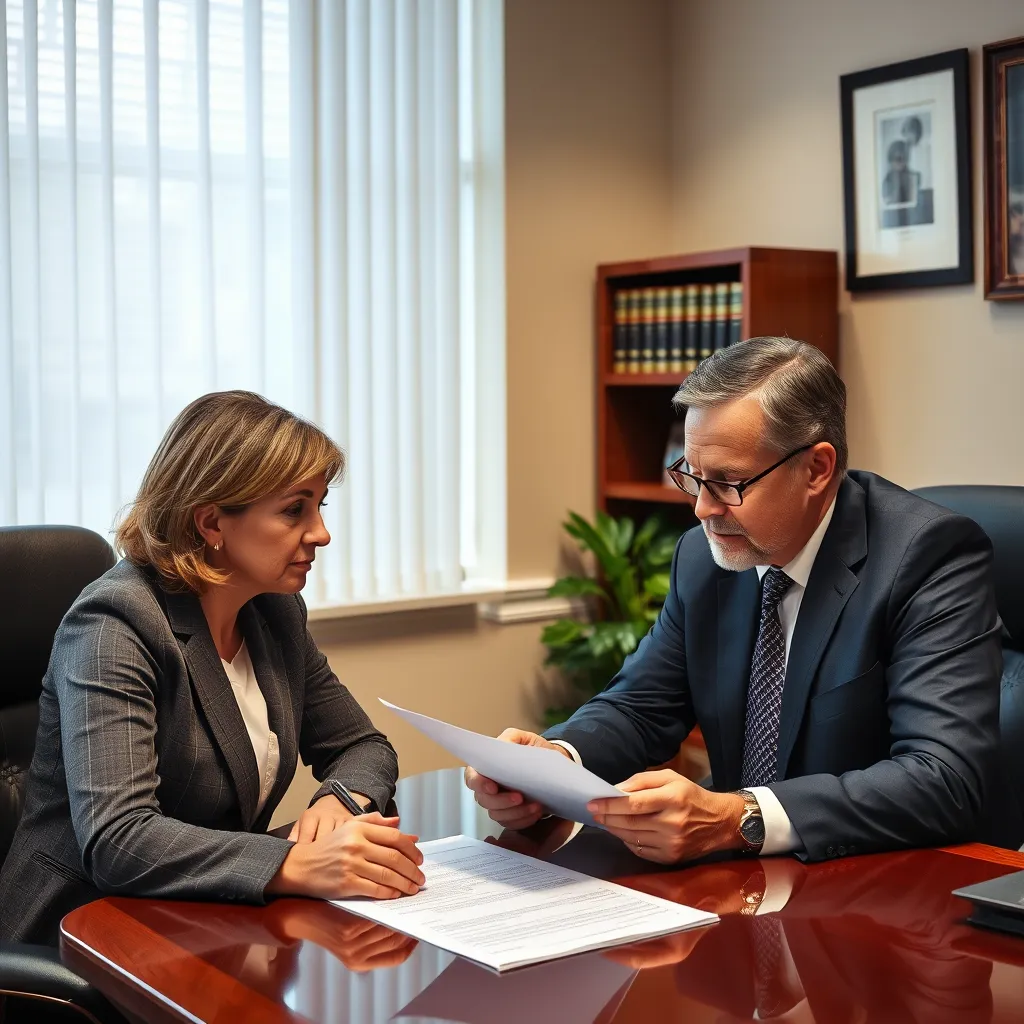
Rehabilitative Alimony Lawyer Fairfax, VA
Rehabilitative alimony—often called durational spousal support—is designed to help a spouse gain the education, training, or work experience needed to become self-sufficient after a divorce. In Fairfax, Virginia, the Fairfax County Circuit Court decides these matters under Va. Code § 20-107.1. The court considers thirteen statutory factors, including each spouse’s earning capacity, the duration of the marriage, contributions to the family, and the standard of living established during the marriage. Mr. Sris, a former prosecutor and Owner and Founder of Law Offices Of SRIS, P.C., represents clients seeking or opposing rehabilitative alimony orders throughout the Fairfax area—including Fairfax, Burke, Centreville, Chantilly, Herndon, Reston, McLean, Vienna, Tysons, and surrounding communities. The firm’s Fairfax location handles cases at the Fairfax County courts. To discuss your situation, call (888) 437-7747. Law Offices Of SRIS, P.C. – Advocacy Without Borders.
What Rehabilitative Alimony Means in Fairfax
Virginia is an equitable distribution state. That means marital property is divided fairly, not necessarily equally, under Va. Code § 20-107.3. Spousal support operates separately and may be awarded in addition to property division. Rehabilitative alimony is a time-limited award intended to bridge the gap while the supported spouse takes concrete steps toward independence—finishing a degree, completing a certification, or reentering the workforce after a long absence. Unlike permanent support, a rehabilitative award typically sets a defined end date or a review date, and it may be extended only on a showing that the recipient has made good-faith efforts but still needs assistance. In Fairfax County, the Circuit Court has exclusive jurisdiction over divorce, equitable distribution, and spousal support matters. The court applies the thirteen factors listed in § 20-107.1 to determine the amount, duration, and type of support. Fairfax County residents often have complex financial profiles—federal employment, military pensions, government contractor compensation, and small-business ownership are common—so the analysis frequently requires a careful look at income documentation and vocational prospects.
When a spouse has spent years out of the workforce, the court may consider the cost and length of retraining, the availability of suitable jobs in the Northern Virginia economy, and the paying spouse’s ability to cover those expenses while maintaining their own household. Fairfax County’s proximity to Washington, D.C., also means that many families maintain professional licenses or security clearances that can be reactivated with targeted support. The firm’s familiarity with local practice—including how Fairfax County judges typically evaluate rehabilitation plans—helps clients present a realistic and well-supported request or defense. Cases are heard at the Fairfax County Circuit Court, located at 4110 Chain Bridge Road, Fairfax, VA 22030. The Fairfax County Juvenile and Domestic Relations District Court handles standalone custody and support matters, but the divorce itself—and any spousal support tied to it—must be filed in the Circuit Court. Separate complaints for support without divorce may also proceed in the Juvenile and Domestic Relations District Court, depending on the procedural posture.
How Mr. Sris and the Firm’s Of Counsel Attorneys Handle Rehabilitative Alimony Cases
Building a case for or against rehabilitative alimony starts with a thorough financial picture. Income and expense statements, tax returns, pay stubs, and business records are assembled early. When self-employment income is at issue, forensic accounting may be necessary to identify the actual earnings available for support. The firm coordinates with financial professionals as needed to present a clear picture to the court. Mr. Sris and the firm’s Of Counsel attorneys then examine the statutory factors in light of the local bench’s expectations—what types of rehabilitation plans Fairfax County judges have accepted, what timelines have been considered reasonable, and what level of detail a proposed plan must include. If the supported spouse submits a vocational evaluation, the firm works to test its assumptions. If the paying spouse argues that support is unwarranted, the firm prepares evidence of the other side’s need and the specific steps required for self-sufficiency. The outcome depends on the specific facts, and Mr. Sris and the firm’s Of Counsel attorneys work toward a resolution—whether through negotiation, mediation, or trial—that aligns with the client’s financial reality.
Where possible, the parties reach a written separation agreement that addresses rehabilitative support, property division, and custody. An agreement signed by both sides can resolve the matter without a contested hearing, and it gives the parties more control over the terms than leaving the decision to the court. When litigation is necessary, the firm is prepared to present evidence, cross-examine vocational attorneys, and argue the application of the § 20-107.1 factors. The firm also advises clients on the tax implications of spousal support—under current federal law, alimony is no longer deductible by the payer nor taxable to the recipient for divorces finalized after 2018, but pre-2019 orders may have different treatment if not modified. This distinction often drives the negotiation of the support amount and structure. Every case is different, and the specific advice depends on the details of the marriage and the parties’ finances. For a consultation about your situation, reach the firm at (888) 437-7747.
About Mr. Sris and the Firm’s Of Counsel Attorneys
Mr. Sris, Owner and Founder of Law Offices Of SRIS, P.C., has practiced family law since founding the firm in 1997. A former prosecutor, he brings courtroom experience to spousal support litigation and understands how to present a case effectively before a judge. Mr. Sris testified before the Virginia House Courts of Justice Committee in support of 2019 HB 635 (chief patron Del. David Bulova), a bill that revised a subsection of the equitable distribution statute. His legislative testimony reflects a detailed knowledge of Virginia family law. The firm’s Of Counsel attorneys—experienced practitioners in their own right—collaborate on cases, contributing insights from varied legal backgrounds. Together, Mr. Sris and the firm’s Of Counsel attorneys bring extensive combined legal experience. Results may vary. The firm has documented case results across all practice areas since 1997.
Clients in Fairfax work directly with Mr. Sris and receive the benefit of the entire team’s preparation. The firm’s Fairfax location—at 4008 Williamsburg Court, Fairfax, VA 22032, by appointment—is conveniently situated to handle matters at the Fairfax County Circuit Court and the Juvenile and Domestic Relations District Court. The firm serves families throughout the Fairfax area, including Burke, Centreville, Chantilly, Herndon, Reston, McLean, Vienna, Tysons, Oakton, Springfield, Annandale, and the Falls Church area. Mr. Sris is admitted in Virginia, Maryland, the District of Columbia, New Jersey, and New York. The firm’s phones are answered during business hours at (888) 437-7747, and consultations are available by appointment.
Frequently Asked Questions
How does rehabilitative alimony work in Virginia?
Rehabilitative alimony is a time-limited spousal support award intended to help the receiving spouse obtain education or training for self-sufficiency. The court sets an amount and duration based on the thirteen factors in Va. Code § 20-107.1: each party’s earning capacity, education, age, health, the standard of living during the marriage, the length of the marriage, contributions to the family and to the other spouse’s career, and the financial resources of each party. The award is not automatic; the spouse seeking support must present a concrete rehabilitation plan. For guidance on your specific situation, reach Law Offices Of SRIS, P.C. at (888) 437-7747.
What factors does a Fairfax court consider for rehabilitative alimony?
The Fairfax County Circuit Court considers the thirteen factors listed in Va. Code § 20-107.1, including each spouse’s needs, earning capacity, age, physical and mental condition, and the duration of the marriage. The court also looks at the standard of living during the marriage, the contributions each spouse made to the family and to the other spouse’s career, and the payor’s ability to meet their own needs while paying support. The specific facts of each case drive the outcome. To discuss the details of your matter, contact Law Offices Of SRIS, P.C. at (888) 437-7747.
How long does it take to obtain a spousal support order in Fairfax County?
The timeline for obtaining a spousal support order in Fairfax County varies by case complexity and the court’s calendar. Pendente lite (temporary) support can sometimes be addressed early in the case, while a final support determination typically occurs at the conclusion of the divorce proceedings. The process may take longer when business valuations or forensic accounting are needed to determine income. For a consultation, reach Mr. Sris and the firm’s Of Counsel attorneys at (888) 437-7747.
Can rehabilitative alimony be modified in Virginia?
A rehabilitative alimony award may be modified if the recipient shows a material change of circumstances and, in some cases, that they have made good-faith efforts toward rehabilitation but still require support. The court’s ability to modify depends on whether the original order reserved the right to modify and on the specific terms of the decree. A motion to modify is filed in the same court that entered the original order—usually the Fairfax County Circuit Court. For guidance on your specific situation, reach Law Offices Of SRIS, P.C. at (888) 437-7747.
Do I need a lawyer for a rehabilitative alimony case in Fairfax?
You are not required to have an attorney, but an experienced family law attorney can help you present a thorough rehabilitation plan or challenge an unrealistic request. Spousal support decisions involve financial documentation, statutory factors, and local judicial practices. An attorney can help organize evidence, prepare witnesses, and negotiate settlement terms. To discuss the details of your matter, contact Law Offices Of SRIS, P.C. at (888) 437-7747.
What if my spouse and I agree on rehabilitative support?
If you and your spouse agree on the amount and duration of rehabilitative alimony, the terms can be incorporated into a written separation agreement. The agreement is then submitted to the Fairfax County Circuit Court along with the divorce complaint. A signed agreement typically allows the divorce to proceed on an uncontested basis, which can be more efficient and gives the parties greater control over the outcome than leaving the decision to the court. For a consultation, reach Mr. Sris and the firm’s Of Counsel attorneys at (888) 437-7747.
Related Fairfax Area Family Law Pages: Fairfax County family law lawyer • Falls Church family law lawyer • Prince William County family law lawyer
Official Virginia Family Law Resources: Virginia Code § 20-107.1 (spousal support factors) • Fairfax County Circuit Court • Virginia Judicial System
Attorney advertising. Prior results do not guarantee a similar outcome. Results may vary.
Case results depend on a variety of factors unique to each case.