
Note: This article is confirmed by Law Offices Of SRIS, P.C.
WRITTEN BY: Mr. Sris
Since 1997, Mr. Sris has led the firm, focusing on the most challenging criminal and family law cases… His background in accounting and information management aids in financial and technology-related cases… Involved in significant legislative changes in Virginia.
Insight: My focus since founding the firm in 1997 has always been directed towards personally handling the most challenging and involved criminal and family law matters our clients face.
Insight: I find my background in accounting and information management provides a unique advantage when handling the intricate financial and technological aspects inherent in many modern legal cases.
Insight: As someone deeply involved in the community, I believe it’s important to not only practice law but also to actively participate in shaping it, which is why I dedicated effort towards amending Virginia Code § 20-107.3 and achieving state recognition for cultural milestones.
Protective Order Lawyer Arlington VA
What is a Protective Order
Protective orders serve as legal tools to address safety concerns. Courts issue these documents to establish boundaries between parties. The orders can prohibit various forms of contact, including physical presence, communication, or other interactions. Different types of orders exist for different situations, such as domestic violence cases or general harassment matters.
The process begins with filing appropriate paperwork at the courthouse. Documentation must demonstrate the need for protection. Evidence may include police reports, witness statements, or documentation of previous incidents. Courts review the information provided and determine whether to grant temporary relief while the case proceeds.
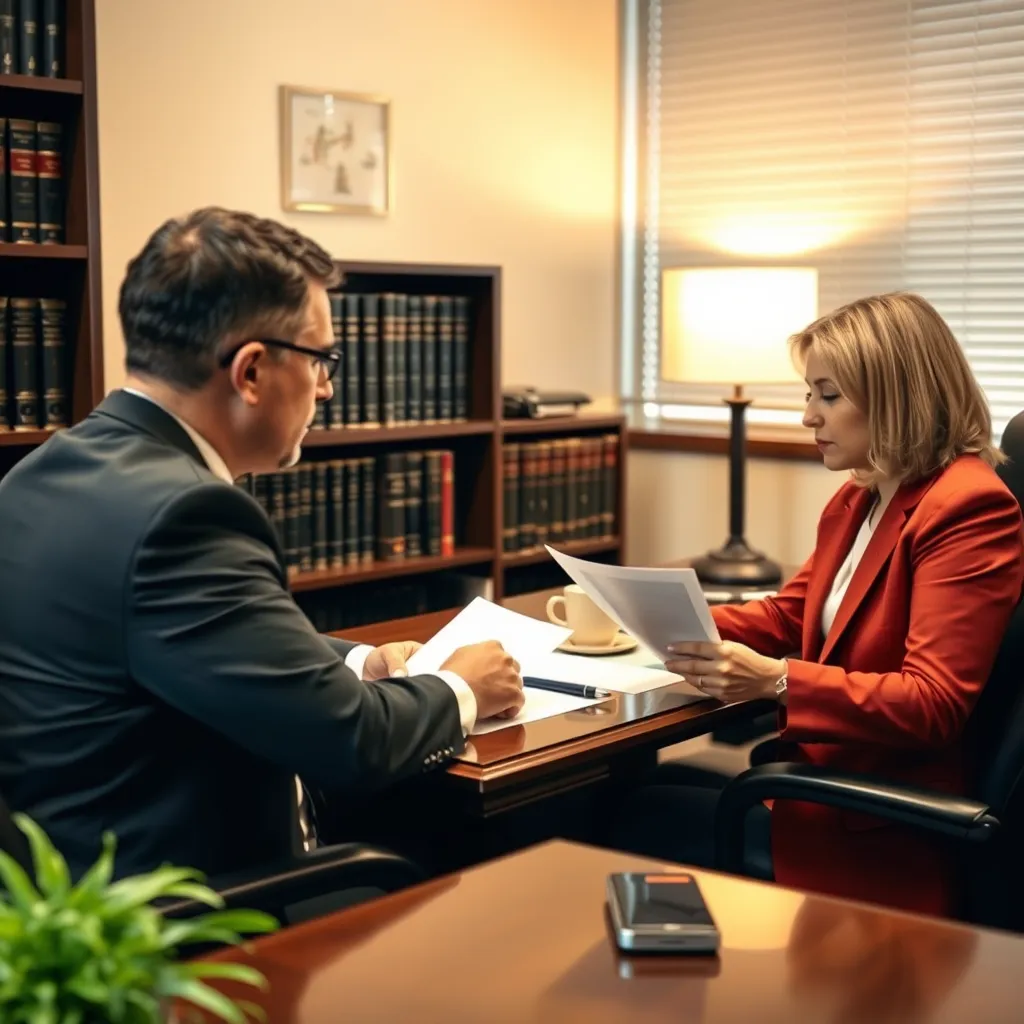
Legal representation helps present the strongest possible case. Attorneys understand the specific requirements for different jurisdictions. They can help gather necessary evidence and prepare documentation. Proper preparation increases the likelihood of obtaining the desired order.
Real-Talk Aside: These orders provide legal boundaries, but enforcement depends on reporting violations. The system works when people use it properly.
How to Obtain a Protective Order
The first step involves visiting the courthouse to obtain necessary forms. These documents require detailed information about the situation. Individuals must provide specific details about incidents, dates, and parties involved. Accuracy in documentation matters for court consideration.
Evidence collection strengthens the case. This may include police reports, medical records, photographs, or witness statements. Documentation should clearly show the need for protection. Organized presentation helps judges understand the situation quickly.
Court hearings provide opportunity to present the case. Temporary orders may be available for immediate protection while the case proceeds. Final hearings involve more detailed examination of evidence. Judges consider all information before making decisions.
Real-Talk Aside: The system requires proper documentation and persistence. Missing steps or incomplete information can delay protection.
Can I Get a Protective Order Without Evidence
Evidence requirements exist to ensure proper use of legal tools. Courts need reasonable basis to restrict individuals’ interactions. The standard focuses on demonstrating potential harm or continued threats. Different types of evidence serve different purposes in these cases.
Personal statements provide direct accounts of incidents. Detailed descriptions of events, dates, and circumstances help establish patterns. Written accounts maintain consistency when presented to courts. Clear communication about concerns matters for consideration.
Documentation supports personal accounts. This may include text messages, emails, photographs, or other records. Medical reports show physical harm when applicable. Police documentation provides official records of incidents.
Real-Talk Aside: The system expects some supporting information. Vague claims without details rarely succeed in court proceedings.
Why Hire Legal Help for Protective Orders
Legal professionals understand specific requirements for different situations. They know what documentation courts expect and how to present information effectively. This knowledge helps avoid common mistakes that could delay protection. Proper preparation makes the process more efficient.
Attorneys help gather and organize evidence. They know what types of documentation carry weight in court proceedings. Professional guidance ensures all necessary information gets presented properly. Organized cases have better chances of success.
Court representation provides support during hearings. Legal professionals present cases clearly and respond to questions from judges. They understand procedural rules and can address technical issues. This support reduces stress for individuals involved.
Real-Talk Aside: Legal help increases effectiveness but doesn’t guarantee specific outcomes. Proper preparation improves chances of obtaining needed protection.
FAQ:
What types of protective orders exist?
Different orders address various situations including domestic violence, harassment, or workplace concerns. Courts issue specific types based on circumstances.
How long do protective orders last?
Duration varies by type and jurisdiction. Some provide temporary protection while others extend for longer periods based on court decisions.
What happens if someone violates an order?
Violations may lead to legal consequences including potential charges. Reporting violations to authorities initiates enforcement actions.
Can protective orders be modified?
Courts may modify orders based on changed circumstances. Requests for changes require proper documentation and court review.
Do I need a lawyer for a protective order?
Legal representation helps manage the process effectively. Attorneys understand requirements and can present cases properly.
What evidence helps obtain an order?
Documentation including statements, records, or witness accounts strengthens cases. Clear information about incidents matters.
How quickly can I get protection?
Temporary orders may provide immediate relief in urgent situations. Final orders require court hearings and decisions.
What costs are involved?
Filing fees and legal expenses vary. Some jurisdictions offer fee waivers based on financial circumstances.
Can orders cover children?
Protective provisions may include children when appropriate. Courts consider safety needs for all family members.
What if I move to another state?
Orders generally remain valid across state lines. Registration in new jurisdictions helps ensure enforcement.
How do I enforce an order?
Contact local authorities to report violations. Provide documentation of the order and details of incidents.
Can orders be contested?
Individuals subject to orders may contest them in court. Legal representation helps present defense arguments.
Past results do not predict future outcomes