
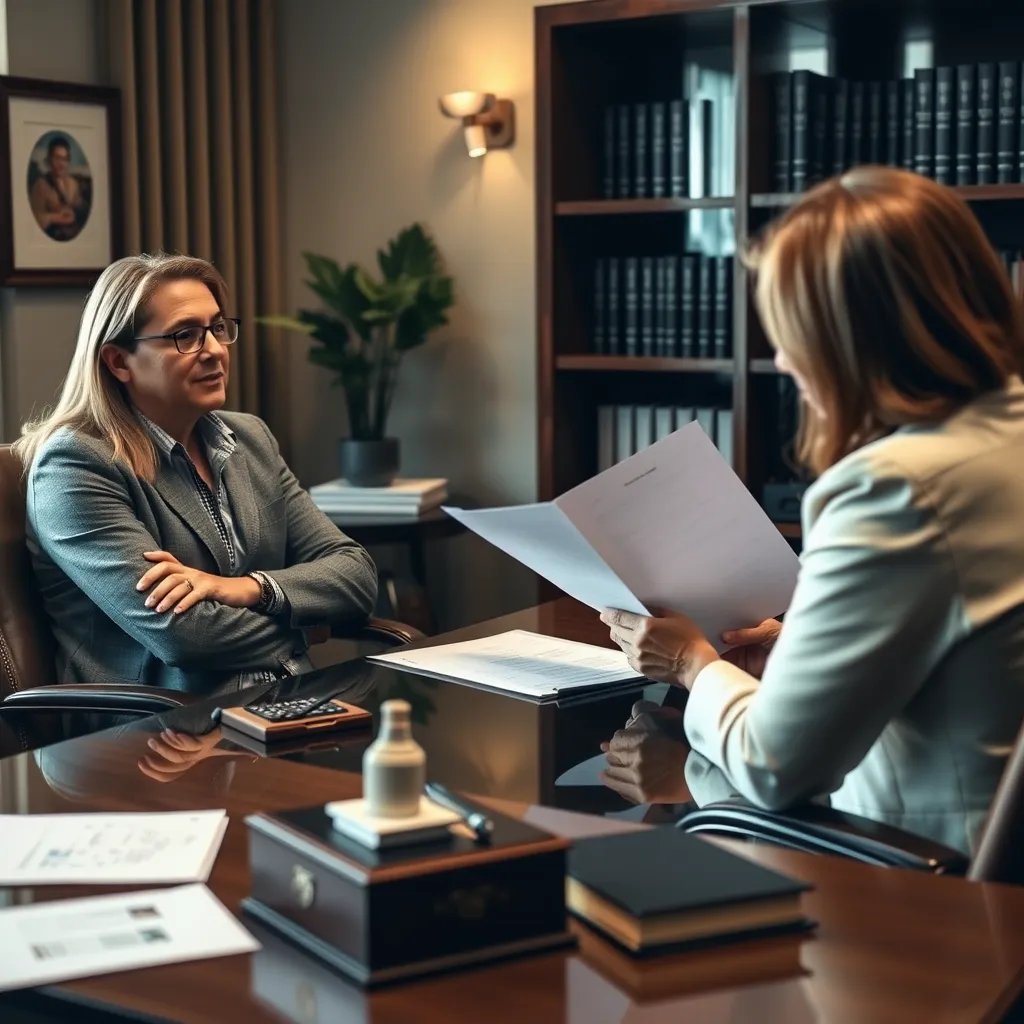
Note: This article is confirmed by Law Offices Of SRIS, P.C.
WRITTEN BY: Mr. Sris
Since 1997, Mr. Sris has led the firm, focusing on the most challenging criminal and family law cases… His background in accounting and information management aids in financial and technology-related cases… Involved in significant legislative changes in Virginia.
Insight: My focus since founding the firm in 1997 has always been directed towards personally handling the most challenging and involved criminal and family law matters our clients face.
Insight: I find my background in accounting and information management provides a unique advantage when handling the intricate financial and technological aspects inherent in many modern legal cases.
Insight: As someone deeply involved in the community, I believe it’s important to not only practice law but also to actively participate in shaping it, which is why I dedicated effort towards amending Virginia Code § 20-107.3 and achieving state recognition for cultural milestones.
Postnup Lawyer Virginia
What is a Postnuptial Agreement
Postnuptial agreements serve as marital contracts established after marriage begins. Unlike prenuptial agreements created before marriage, these documents address circumstances that arise during the marital relationship. In Virginia, these agreements fall under specific statutory guidelines that govern their creation and enforcement.
These contracts typically define how property would be divided in case of separation or divorce. They can address separate property, marital property, debt allocation, and spousal support arrangements. The agreements may also cover inheritance rights, business interests, and financial responsibilities during marriage.
Virginia law requires certain elements for postnuptial agreements to be valid. Full financial disclosure between spouses is essential. Both parties should have independent legal counsel to ensure understanding of rights and obligations. The agreement must be entered voluntarily without coercion or pressure.
Fairness considerations play a significant role in Virginia courts’ review of these agreements. Courts examine whether the terms are reasonable at the time of signing and whether they would be unconscionable if enforced later. Agreements that leave one spouse without adequate support or resources may face challenges.
How to Create a Valid Postnuptial Agreement
The process for creating a valid postnuptial agreement in Virginia follows established legal procedures. Beginning with comprehensive financial disclosure, both spouses must provide complete information about assets, debts, income, and financial obligations. This transparency forms the foundation for informed decision-making.
Independent legal representation represents a vital component. Each spouse should consult with separate attorneys who can explain rights, obligations, and potential consequences. This separation helps ensure neither party faces undue influence or pressure during negotiations.
Drafting the agreement requires attention to Virginia’s specific legal requirements. The document should clearly identify separate property, marital property, and how these would be treated in various scenarios. Provisions regarding spousal support, debt responsibility, and inheritance rights need precise language.
Negotiation and revision stages allow both parties to discuss terms and reach mutual understanding. Changes may be made to address concerns or clarify provisions. The process should allow sufficient time for consideration without rushed decisions.
Final execution involves signing before witnesses or notarization as required by Virginia law. Proper documentation of the signing process helps demonstrate voluntary participation. Copies should be provided to both spouses and their respective attorneys.
Can I Modify an Existing Postnuptial Agreement
Modification of existing postnuptial agreements represents a common consideration as marital circumstances evolve. Virginia law generally permits amendments when both spouses agree to changes. The modification process typically mirrors the original agreement’s creation requirements.
Life events that might prompt modification include significant career changes, inheritance receipt, business development, or health considerations. Changes in financial circumstances, family expansion, or relocation may also warrant agreement updates. Regular review helps ensure the document remains relevant.
The amendment process requires mutual consent and voluntary participation. Both spouses must agree to proposed changes without coercion. Independent legal review for each party helps ensure understanding of modification implications.
Technical requirements for modifications include proper documentation of changes. Amendments should reference the original agreement and clearly state revised provisions. Execution typically requires the same formalities as the initial agreement, including signatures before witnesses or notarization.
Considerations for modification include timing and circumstances. Courts may examine whether changes were made during marital stress or under pressure. Documentation showing thoughtful consideration and voluntary participation supports modification validity.
Why Hire Legal Help for Postnuptial Matters
Engaging legal assistance for postnuptial matters offers significant advantages in Virginia’s legal framework. Professional guidance helps handle statutory requirements and procedural standards that govern these agreements. Attorneys provide insight into how courts interpret and enforce such documents.
Legal representation ensures proper financial disclosure documentation. Attorneys help gather and present complete financial information, creating records that demonstrate transparency. This documentation becomes important if agreement validity is later questioned.
Drafting assistance addresses technical legal requirements. Attorneys use precise language that clearly defines rights and obligations. They help structure provisions to address various scenarios while maintaining fairness standards required by Virginia law.
Negotiation support helps facilitate constructive discussions between spouses. Legal counsel can explain options and consequences, helping both parties make informed decisions. This guidance often leads to more balanced agreements that both spouses understand and accept.
Enforcement preparation represents another benefit. Attorneys consider how agreements might be viewed in future proceedings. They help structure documents to withstand legal challenges while protecting clients’ interests under various circumstances.
FAQ:
What is the difference between prenuptial and postnuptial agreements?
Prenuptial agreements are created before marriage. Postnuptial agreements are made after marriage begins. Both address similar financial matters.
Are postnuptial agreements enforceable in Virginia?
Yes, when properly drafted. They require full disclosure, independent counsel, and voluntary signing. Fairness standards must be met.
What financial information must be disclosed?
Complete asset, debt, income, and obligation details. Both spouses must provide transparent financial information for valid agreements.
Can postnuptial agreements address child custody?
Generally no. Child custody decisions are based on children’s best interests. Courts make these determinations separately.
How long does creating a postnuptial agreement take?
The process typically takes several weeks. Time allows for disclosure, drafting, review, and revisions. Rushing can create problems.
What makes a postnuptial agreement unfair?
Terms that leave one spouse without adequate support. Agreements signed under pressure. Lack of proper disclosure or legal advice.
Can I create a postnuptial agreement without lawyers?
Possible but not recommended. Legal requirements are specific. Professional guidance helps ensure validity and enforceability.
What happens if circumstances change after signing?
Agreements can often be modified. Significant life changes may warrant updates. Mutual consent and proper procedures are required.
Are postnuptial agreements only for wealthy couples?
No, they benefit various financial situations. They clarify property rights and financial responsibilities for many couples.
What if one spouse refuses to sign a postnuptial agreement?
Agreements require mutual consent. Pressure or coercion invalidates documents. Both parties must participate voluntarily.
Can postnuptial agreements be challenged in court?
Yes, if requirements aren’t met. Challenges may address disclosure, fairness, or voluntary participation. Proper drafting reduces challenge risks.
How much do postnuptial agreement services cost?
Costs vary based on challenge. Factors include asset types and negotiation requirements. Legal fees typically reflect time and work involved.
Past results do not predict future outcomes