
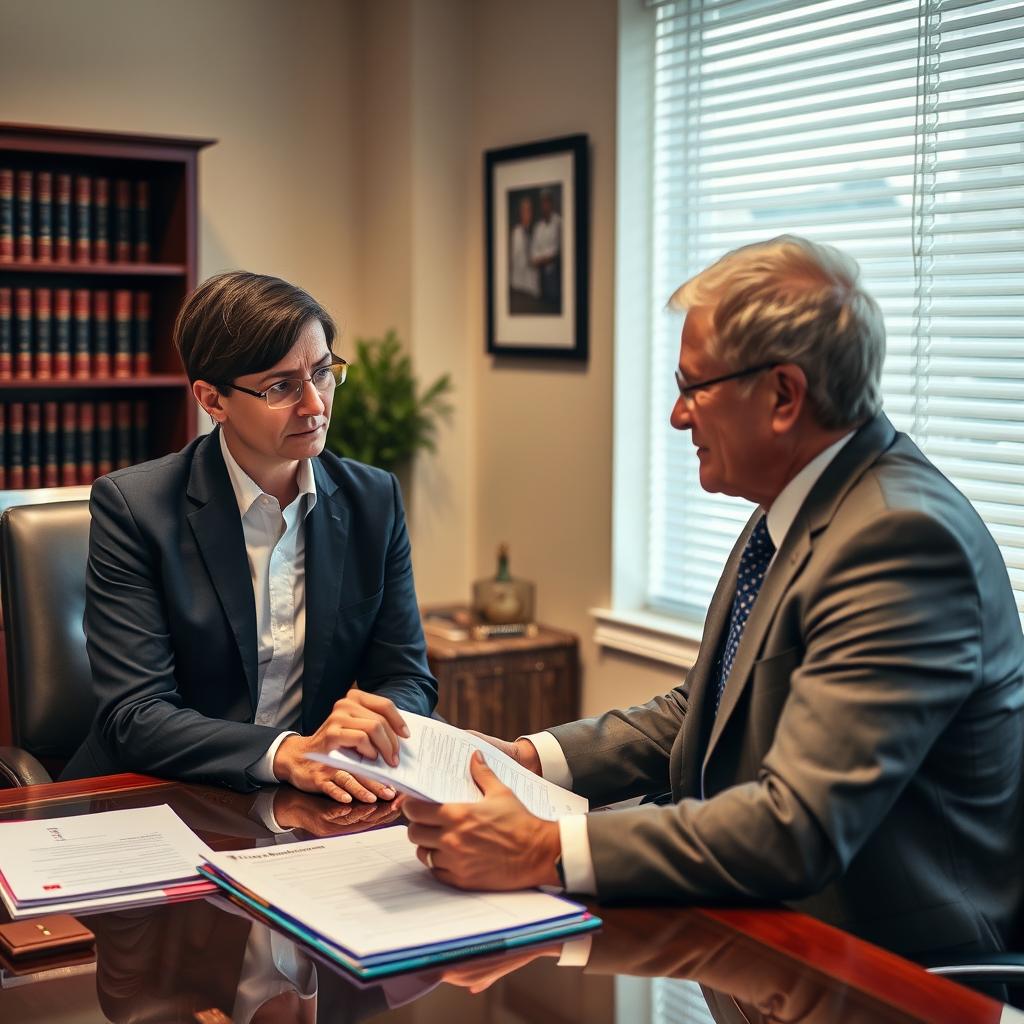
Norfolk Military Divorce Lawyer Fairfax, VA
Military families stationed at Naval Station Norfolk or residing in Fairfax County face a distinct set of legal challenges when a marriage ends. A military divorce involves not only Virginia’s equitable distribution laws, child custody standards, and spousal support guidelines but also federal statutes such as the Servicemembers Civil Relief Act (SCRA) and the Uniformed Services Former Spouses’ Protection Act (USFSPA). These laws affect when and how a case may proceed, how military retirement benefits are divided, and what protections are available to an active-duty servicemember. Law Offices Of SRIS, P.C. represents clients throughout Northern Virginia, including those with connections to the Norfolk–Hampton Roads military community, in divorce and related family law matters. Mr. Sris, the firm’s Owner and Founder, is a former prosecutor who has concentrated his practice on family law since 1997. The firm’s Of Counsel attorneys bring extensive trial experience and a practical understanding of how military pay structures, deployment schedules, and benefit divisions shape the outcome of a divorce. Whether you are a servicemember seeking to initiate proceedings or a civilian spouse navigating property division, our Fairfax location provides guidance tailored to the intersection of military service and Virginia family law. To request a consultation, call (888) 437-7747. Law Offices Of SRIS, P.C. – Advocacy Without Borders.
Military Divorce in Fairfax and the Norfolk Region
Virginia is an equitable distribution state. Under Va. Code § 20-107.3, marital property—including military retirement accounts, Thrift Savings Plan assets, and other benefits acquired during the marriage—is divided fairly but not necessarily equally. The court considers factors such as the length of the marriage, each spouse’s contributions to the family’s well-being, and the circumstances that led to the divorce. For military families, this often requires a detailed analysis of the servicemember’s Leave and Earnings Statement (LES), how many years of the marriage overlapped with creditable military service, and whether disability benefits have been awarded. In Fairfax, these matters are heard in the Fairfax County Circuit Court. The same court has jurisdiction over divorce, equitable distribution, and spousal support, while custody and child support matters may be initiated in the Juvenile and Domestic Relations District Court if filed independently. The firm’s Fairfax location serves clients from communities such as Burke, Centreville, Herndon, Reston, McLean, and Vienna, as well as those who travel from the Norfolk–Virginia Beach area when jurisdictional requirements are satisfied.
The Servicemembers Civil Relief Act (SCRA) allows an active-duty servicemember to request a stay of court proceedings if military duties materially affect the ability to participate in the case. This can influence the timeline of a divorce, and understanding how to properly invoke the SCRA is critical to protecting a servicemember’s rights. Additionally, military pensions are divisible under the USFSPA only if the marriage lasted at least ten years overlapping with ten years of creditable military service—the so-called “10/10 rule.” Even when the rule is not met, a Virginia court may still award a portion of the pension as part of equitable distribution, but direct payment from the Defense Finance and Accounting Service (DFAS) may not be available. These nuances make it essential to work with counsel who are familiar with both state and military-specific law.
How Mr. Sris and the Firm’s Of Counsel Attorneys Handle Military Divorce Cases
Each military divorce begins with a thorough evaluation of the facts: the length of the marriage, the servicemember’s duty station history, the nature of all compensation and benefits, and the presence of minor children. The firm’s approach is to identify early whether a case can be resolved through a separation agreement or mediation—often the most efficient path for military families who may be facing a permanent change of station (PCS) or deployment—or whether contested litigation is necessary. In contested matters, Mr. Sris and the firm’s Of Counsel attorneys prepare for hearings before the Fairfax County Circuit Court, addressing temporary support, custody pendente lite, and the preservation of assets. They work with forensic accountants and military-pay attorneys when a servicemember’s income includes special pays, bonuses, or allowances that must be properly classified for support calculations.
Because the firm’s Fairfax location is minutes from the courthouse, counsel can attend hearings efficiently while keeping clients informed about procedural developments. For a non-military spouse who may be unfamiliar with military pay systems, the firm explains how base pay, Basic Allowance for Housing (BAH), and retirement points affect both current support and long-term property division. For a servicemember, the focus includes asserting rights under the SCRA, protecting career-sensitive benefits, and ensuring that any division of the pension complies with the USFSPA and Virginia law. Throughout the process, the firm’s goal is to achieve a resolution that respects the unique demands of military life while safeguarding each party’s financial future.
About Mr. Sris and the Firm’s Of Counsel Attorneys
Mr. Sris, Owner and Founder of Law Offices Of SRIS, P.C., has practiced law since 1997 and leads the firm’s family law practice. A former prosecutor, he brings firsthand courtroom experience to divorce and custody litigation. Mr. Sris testified before the Virginia House Courts of Justice Committee in support of 2019 HB 635 (chief patron Del. David Bulova), a measure that revised the equitable distribution statute. His understanding of Virginia family law is grounded in both statutory analysis and extensive trial work. The firm’s Of Counsel attorneys contribute additional experience from backgrounds that include prior service as a state trooper, a prosecutor, and years of complex civil litigation. Together, the team handles the procedural and financial intricacies of military divorce, from drafting qualified domestic relations orders for pension division to litigating custody disputes when a parent’s deployment schedule is at issue. The firm serves clients from its Fairfax location and represents military families throughout Northern Virginia and the Hampton Roads region. To discuss your matter with Mr. Sris and the firm’s Of Counsel attorneys, call (888) 437-7747.
Frequently Asked Questions
What makes a military divorce different from a civilian divorce in Virginia?
A military divorce differs because federal laws—the Servicemembers Civil Relief Act (SCRA) and the Uniformed Services Former Spouses’ Protection Act (USFSPA)—overlay Virginia’s equitable distribution, support, and custody statutes. The SCRA may stay proceedings while a servicemember is on active duty, and the USFSPA governs direct payment of a divided military pension from DFAS. Additionally, military pay includes allowances and special pays that must be correctly classified for support calculations. These layers require counsel familiar with both state and military-specific law.
How is military retirement divided in a Virginia divorce?
Military retirement is treated as marital property subject to equitable distribution under Va. Code § 20-107.3 to the extent it was earned during the marriage. The court considers the length of the marriage, each spouse’s contributions, and other statutory factors. Direct payment of a share of the pension to a former spouse from DFAS is available only if the “10/10 rule” is met—ten years of marriage overlapping ten years of creditable service. Even without the 10/10 rule, the court may award a monetary sum representing the pension’s value through other means.
Can a military divorce be filed in Fairfax if the servicemember is stationed in Norfolk?
Yes, a divorce may be filed in Fairfax County if the plaintiff or the defendant meets Virginia residency requirements—at least six months of domicile and residence in the Commonwealth. If the servicemember claims Virginia as a domicile and the non-military spouse resides in Fairfax, the Fairfax County Circuit Court can properly exercise jurisdiction. The physical duty station in Norfolk does not bar filing in Fairfax if the jurisdictional prerequisites are satisfied. A thorough analysis of domicile and residency is recommended before filing.
Does the Servicemembers Civil Relief Act affect military divorce proceedings?
The SCRA can affect the timeline of a divorce by staying court proceedings if the active-duty servicemember demonstrates that military service materially impairs the ability to participate. The stay may be for an initial period of at least 90 days, with the possibility of extension. It also provides protections regarding default judgments. A servicemember may waive SCRA rights, but doing so should be a knowing and voluntary decision made with legal counsel.
What are the grounds for divorce in Virginia?
Virginia allows both no-fault and fault grounds for divorce. No-fault grounds require either a one-year separation or a six-month separation when there are no minor children and the parties have signed a separation agreement (Va. Code § 20-91). Fault grounds include adultery, cruelty, willful desertion for one year, and felony conviction resulting in imprisonment for more than one year. The choice of ground can affect property division and spousal support.
How long does a military divorce take in Fairfax?
The timeline for a military divorce in Fairfax varies based on whether the case is contested, whether an SCRA stay is requested, and the court’s docket. An uncontested divorce with a signed separation agreement may be finalized in a matter of months after meeting the required separation period. Contested cases involving custody, support, and property division can extend significantly longer, particularly if deployment or PCS orders complicate scheduling. Each case is unique, and the firm provides a realistic assessment at the outset.
Can a spouse receive a portion of the servicemember’s VA disability benefits in a Virginia divorce?
VA disability benefits are not marital property and cannot be divided by a Virginia court in equitable distribution. However, the amount of disability compensation received may be considered as income when calculating spousal support or child support. Additionally, if a servicemember waives a portion of military retirement pay to receive tax-free disability benefits, the former spouse may see a reduction in the divisible pension; in some instances, the court may award an offset to account for that reduction, though this is subject to federal law limitations.
Do I need a lawyer for a military divorce in Virginia?
You are not required to hire a lawyer for a divorce in Virginia, but military divorce involves overlapping state and federal laws that are difficult to navigate without experienced counsel. Mistakes in classifying military retirement, handling SCRA stays, or calculating support based on variable military income can have lasting financial consequences. An experienced family law attorney can identify the issues early, protect your rights, and work toward a resolution that considers the full scope of your military benefits.
For guidance on your specific situation, reach Law Offices Of SRIS, P.C. at (888) 437-7747.
Explore our related family law pages: Family Law Lawyer Fairfax County | Family Law Lawyer Falls Church | Family Law Lawyer Prince William County | Family Law Lawyer Manassas
Official Virginia legal resources: Virginia Code Title 20 – Domestic Relations | Fairfax Circuit Court
Attorney advertising. Prior results do not guarantee a similar outcome. Results may vary.
Case results depend on a variety of factors unique to each case.