
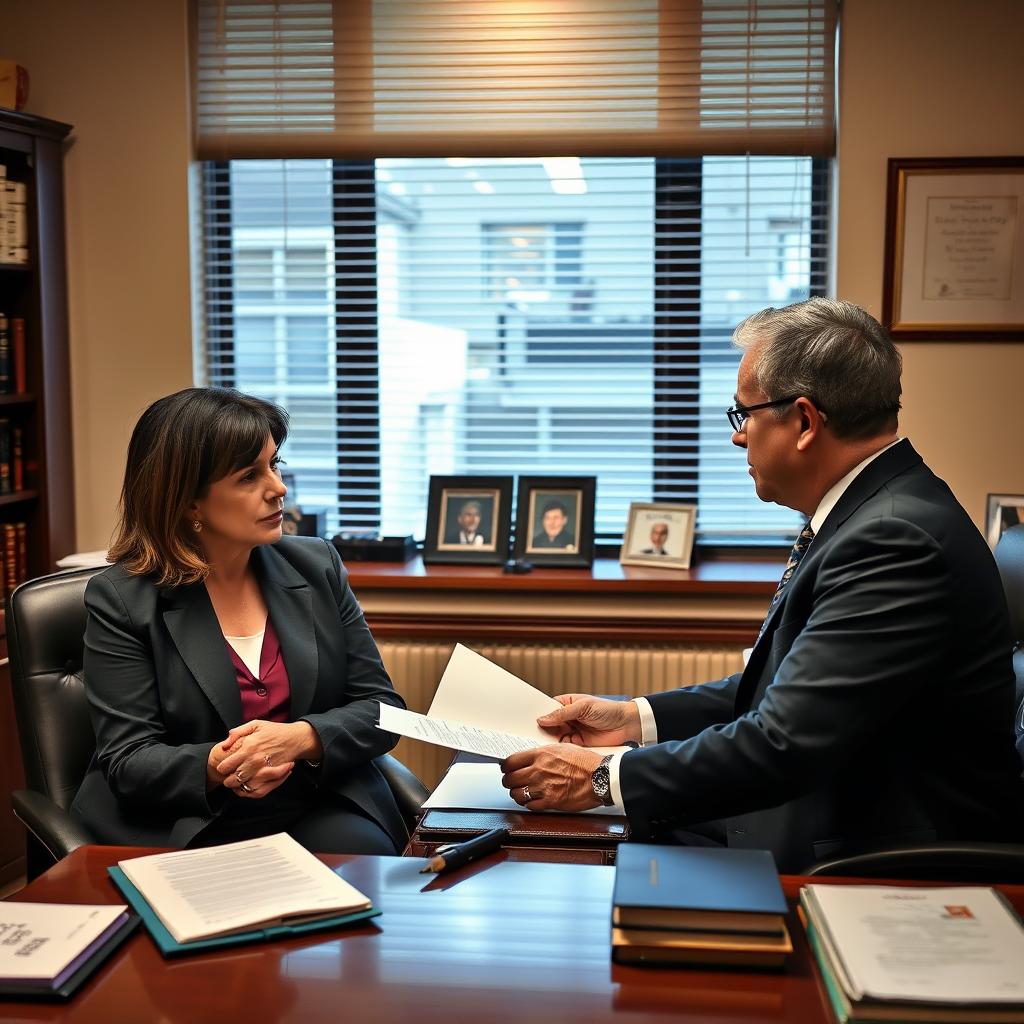
Norfolk Military Divorce Lawyer Alexandria, VA
You’re a Navy sailor stationed at Norfolk, your marriage is ending, and you’re worried about your military pension, custody of your children, and where to file. You live in Alexandria, commuting when you can. You need a lawyer who knows both Virginia domestic relations law and the federal statutes that protect service members. Law Offices Of SRIS, P.C. represents clients in Norfolk military divorces while serving Alexandria from our Arlington location. Call (888) 437-7747 to request a consultation. Law Offices Of SRIS, P.C. – Advocacy Without Borders.
Key Considerations in a Norfolk Military Divorce
Jurisdiction and Where to File
Military divorce raises unique jurisdictional questions. A Virginia court can hear your case if either you or your spouse is a legal resident of Virginia and has lived in the state for at least six months. For service members stationed in Norfolk who maintain Virginia domicile, filing in the Norfolk Circuit Court is often the straightest path. If you reside in Alexandria, the Alexandria Circuit Court also has authority over your divorce. The firm’s attorneys appear in both Norfolk and Alexandria courts and can help you identify the forum that best protects your interests.
Protecting the Service Member Under SCRA
The Servicemembers Civil Relief Act (SCRA) provides important safeguards for active-duty members facing civil litigation, including divorce. A service member can request a stay of proceedings if military duties materially affect the ability to participate in the case. The stay is not automatic—it must be requested and supported by a letter from the commanding officer. Mr. Sris and the firm’s Of Counsel attorneys understand SCRA procedure and present these requests effectively, ensuring that a deployment or training rotation does not result in a default judgment.
How Military Pensions Are Divided
Military retired pay is treated as marital property subject to division in a Virginia divorce under the Uniformed Services Former Spouses’ Protection Act (USFSPA). The Virginia court will classify the portion of the pension earned during the marriage as marital property and divide it equitably under Va. Code § 20-107.3. The division is accomplished through a military pension division order—often called a “QDRO-like” order—directing the Defense Finance and Accounting Service (DFAS) to pay a portion of the retired pay directly to the former spouse. The firm’s team calculates the marital fraction, prepares the necessary orders, and coordinates with DFAS to implement the division.
Child Custody and Deployment
Deployment and frequent relocations complicate custody and visitation arrangements. Virginia courts decide custody based on the best interests of the child under Va. Code § 20-124.3. The statute permits the court to consider the parent’s military obligations and to craft a parenting plan that accommodates deployment schedules. A family member or other designee may exercise visitation on the service member’s behalf under certain circumstances. The firm works with parents to propose realistic, child-centered plans that satisfy the court while protecting the service member’s parental relationship. India is not a signatory to the 1980 Hague Convention on Civil Aspects of International Child Abduction.
What to Expect in Your Case
A military divorce in Virginia follows the same general stages as a civilian divorce. The case begins when one spouse files a complaint for divorce in the circuit court. The other spouse is served and has the opportunity to respond. If the service member is unavailable, SCRA protections may apply and affect the timing. After the initial pleadings, the parties exchange financial information and discovery. If the couple can agree on all issues—property division, support, custody, and pension division—they can submit a signed separation agreement and proceed to an uncontested final hearing. When disputes exist, the court may schedule temporary hearings for support and custody. Most cases resolve through negotiation or mediation, but the firm is prepared to try contested matters when necessary. The timeline for a military divorce depends on the complexity of the estate, the level of conflict, and the availability of the service member, but the firm works to move the case forward efficiently while protecting the client’s rights.
Penalty and Consequence Overview
Beyond the end of the marriage, a military divorce carries significant financial and personal consequences. The division of the military pension can affect the service member’s retirement income for decades. A former spouse who qualifies under the “20/20/20” rule—at least 20 years of service, 20 years of marriage, and 20 years of overlapping service—may retain full military health care, commissary, and exchange privileges. If the overlap is less, benefits may be reduced or terminated. Child support is calculated under Virginia’s guidelines and can be enforced through wage garnishment or, for military members, involuntary allotment. Spousal support awards turn on the statutory factors in Va. Code § 20-107.1, and the court can consider the couple’s accustomed standard of living on military income. Because the consequences are so far-reaching, having counsel who can accurately project the outcome under Virginia law and military regulations is essential.
About Mr. Sris and the Firm’s Of Counsel Attorneys
Mr. Sris, Owner and Founder of Law Offices Of SRIS, P.C., has practiced law since 1997. A former prosecutor, he brings deep courtroom experience to family law disputes. He testified before the Virginia House Courts of Justice Committee in support of 2019 HB 635 (chief patron Del. David Bulova), legislation that addressed pension division in Virginia divorces. The firm’s Of Counsel attorneys add experience in military family law, child custody litigation, and complex property division. Mr. Sris and his Of Counsel bring extensive combined legal experience. Results may vary.
Reviewed by Mr. Sris, Owner and Founder
Admitted in Virginia, Maryland, District of Columbia, New Jersey, and New York
Practicing since 1997
Last reviewed: July 2026
Frequently Asked Questions
How does a military divorce differ from a civilian divorce in Virginia?
A military divorce adds federal statutes such as the SCRA and the USFSPA on top of Virginia domestic relations law. The service member may request a stay under the SCRA, and the military pension is divided under federal rules rather than purely under state equitable-distribution principles. Jurisdiction can also be more complicated because service members may be stationed in one state, claim legal residence in another, and have a spouse living in a third. An attorney experienced in both state and military law can navigate these layers.
Where should I file for divorce if I am stationed in Norfolk but my spouse lives in Alexandria?
You may file in the circuit court of the Virginia city or county where either spouse resides, provided the six-month residency requirement of Va. Code § 20-97 is met. If you are domiciled in Norfolk and your spouse resides in Alexandria, both Norfolk Circuit Court and Alexandria Circuit Court have jurisdiction. Choosing between them may depend on which court has better procedural access for the deploying member or where the marital property is located. The firm can help you assess the strategic advantages of each forum.
Does the Servicemembers Civil Relief Act pause my divorce?
The SCRA does not automatically stop a divorce, but it allows the service member to request a stay if military service materially affects the ability to defend the case. The stay is discretionary and must be supported by a letter from the commanding officer explaining the service member’s unavailability. A stay typically lasts for the period of active duty plus a reasonable period to participate afterward. The court must weigh the service member’s interest against the spouse’s need for prompt resolution.
How is a military pension divided in Virginia?
Under the USFSPA, Virginia courts may treat the marital share of a military pension as divisible property. The court determines the marital fraction—the portion of the total pension earned during the marriage—and then divides that fraction equitably under Va. Code § 20-107.3. A pension division order is drafted and submitted to DFAS for direct payment. The firm prepares these orders to ensure they comply with both Virginia law and DFAS regulations so the division is honored by the pay center.
What happens to child custody if one parent is deployed?
Virginia law allows the court to create a temporary custody order that accommodates the deploying parent’s absence and protects the parent-child relationship. The court may appoint a family member or other designee to exercise visitation on the service member’s behalf during deployment. The trusted-interest factors under Va. Code § 20-124.3 guide the decision, and the court must consider the impact of past or future deployments. The firm helps parents propose schedules that maintain continuity for the child while honoring military service.
Can I get a divorce while deployed overseas?
Yes—Virginia law permits a divorce to proceed while a service member is deployed, provided proper jurisdiction exists and the service member’s procedural rights are protected. The SCRA stay may delay the case, but if both spouses agree on all issues and the deployed member can participate remotely—via video conference or sworn affidavit—an uncontested divorce can be finalized. The firm coordinates with deployed clients to secure necessary documents and testimony so the case moves forward without compromising the service member’s legal position.
How long does a military divorce take in Virginia?
The timeline depends on whether the divorce is contested, whether a SCRA stay is granted, and the complexity of the marital estate. An uncontested military divorce with a signed separation agreement can be completed in a few months after the complaint is filed, assuming any mandatory separation period has been satisfied. A contested case involving custody, pension valuation, or business interests may extend significantly, especially if the service member is deployed and a stay is issued. The firm works to resolve each phase efficiently and to keep the case moving whenever possible.
Do I need a military divorce lawyer for my case?
While not legally required, a lawyer who understands both Virginia family law and military-specific rules is a critical asset in protecting your pension, custody rights, and financial future. Federal statutes overlay state law in ways that a general practitioner may miss, and mistakes in a pension division order can be difficult to correct later. An experienced military-family-law attorney can anticipate issues such as jurisdiction, SCRA stays, and DFAS compliance, and can negotiate agreements that will survive judicial review and administrative processing.
What happens to TRICARE and other benefits after divorce?
A former spouse’s continued eligibility for TRICARE and commissary/exchange privileges depends on the length of the marriage and the service member’s creditable service. The “20/20/20” rule—20 years of service, 20 years of marriage, and 20 years of overlap—preserves full benefits. If the overlap is only 20/20/15, limited TRICARE eligibility continues for one year after divorce. Anything less generally terminates coverage upon divorce. The firm can explain exactly where you stand under these rules and help you plan for any gap in health coverage.
How much does a military divorce cost?
The cost of a military divorce in Virginia varies by case complexity and whether the divorce is uncontested or contested. The Alexandria Circuit Court charges a filing fee for the divorce complaint, and additional costs may arise for service of process, court appearances, experienced attorney valuations of the military pension, and, if needed, a Guardian ad litem for custody disputes. The firm discusses fees at the consultation and offers payment plans; personal-injury matters may be handled on contingency, but divorce is generally billed on an hourly or flat-fee basis depending on the scope of work. For a personalized estimate, call (888) 437-7747.
Related family law resources:
Fairfax County Family Law ·
Fairfax City Family Law ·
Falls Church Family Law ·
Prince William County Family Law ·
Manassas Family Law
Virginia primary sources:
Virginia Code Title 20 (Domestic Relations) ·
Virginia Circuit Courts ·
Virginia Judiciary Online
Contact Law Offices Of SRIS, P.C.
To discuss your Norfolk military divorce matter, call our firm at (888) 437-7747. Consultations are available by appointment. Our Arlington location at 1655 Fort Myer Dr, Suite 700, Room 719, Arlington, VA 22209, serves Alexandria, Norfolk, and the surrounding Virginia communities.
Attorney advertising. Prior results do not guarantee a similar outcome.
Case results depend on a variety of factors unique to each case.