
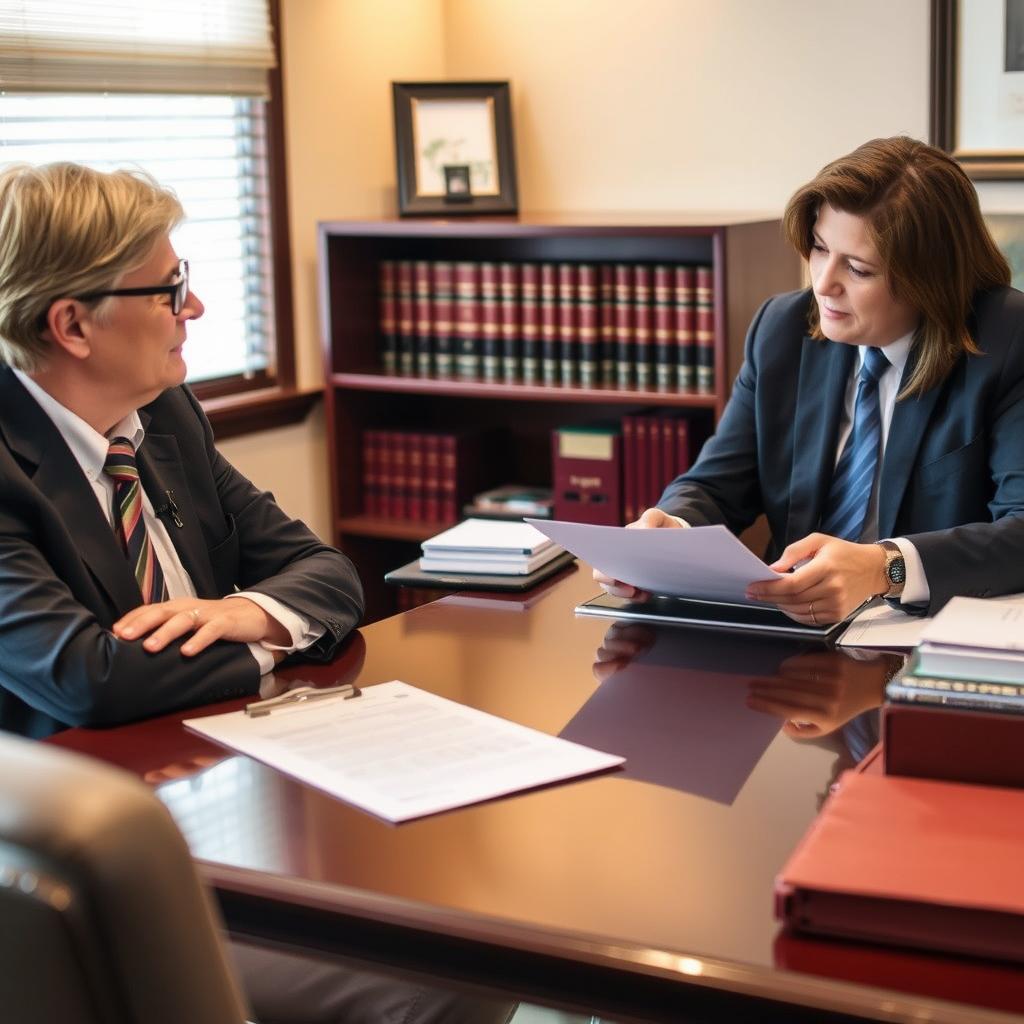
Minor Guardianship Lawyer Fairfax County, VA
At the Fairfax County Juvenile and Domestic Relations District Court, minor guardianship petitions determine legal responsibility for a child when a parent is unable to serve as the primary caregiver. This court, located at 4110 Chain Bridge Road, Fairfax, Virginia 22030, has jurisdiction over custody, visitation, and guardianship for minors. Law Offices Of SRIS, P.C. represents clients in guardianship proceedings before both the J&DR Court and, when matters overlap with divorce or property division, the Fairfax County Circuit Court. Reach Mr. Sris and the firm’s Of Counsel attorneys at (888) 437-7747 to request a consultation.
Fairfax County Juvenile and Domestic Relations District Court: Location and Role
The Fairfax County Juvenile and Domestic Relations District Court (J&DR Court) is the primary venue for minor guardianship petitions in Fairfax County. Located at 4110 Chain Bridge Road, Suite 210, Fairfax, Virginia 22030, this court handles cases involving children in need of supervision, custody determinations, and petitions for guardianship by non‑parents. The Circuit Court at the same address may become involved when a guardianship matter is linked to a divorce, equitable distribution, or spousal support proceeding. While each court has its own procedural rules, the firm’s experience in both forums allows Mr. Sris and the Of Counsel attorneys to structure a guardianship action in the court most suited to the family’s circumstances.
The Minor Guardianship Process in Fairfax County
Minor guardianship in Virginia requires a formal petition and a court hearing. The process typically starts when a concerned adult—often a relative or family friend—files a petition with the Fairfax County J&DR Court, identifying the minor and explaining why guardianship is needed. The petitioner must notify the child’s parents and any other interested parties. The court may appoint a guardian ad litem to represent the child’s interests and provide a report. At the hearing, the judge reviews evidence about the minor’s situation, the fitness of the proposed guardian, and the parents’ ability to care for the child. If the court finds that guardianship serves the child’s best interests, it issues an order granting legal guardianship. The order can specify the scope of the guardian’s authority—whether it covers personal needs, financial management, or both. After the order is entered, the guardian assumes the day‑to‑day responsibility for the minor’s care, education, and medical decisions.
What Fairfax County Judges Consider in Guardianship Cases
When deciding a minor guardianship petition, the court weighs a series of statutory factors designed to evaluate whether the proposed arrangement supports the child’s welfare. These considerations include the nature of the child’s relationship with the proposed guardian, the guardian’s ability to provide a stable home and meet the child’s educational and medical needs, the child’s own preferences if the child is of sufficient age and maturity, any history of abuse or neglect, and the parents’ willingness to consent or the reasons they cannot serve as the primary caregiver. The court also examines the overall home environment and the support system available to the proposed guardian. Because guardianship orders can affect parental rights, the judge scrutinizes the evidence carefully. Mr. Sris and the firm’s Of Counsel attorneys work with families to present a thorough picture of the child’s circumstances and the proposed guardian’s qualifications.
Attorney Credentials: Mr. Sris and the Firm’s Of Counsel Attorneys
Mr. Sris, Owner and Founder of Law Offices Of SRIS, P.C., has practiced law since 1997. A former prosecutor, he brings courtroom insight to family law matters and appears regularly in Fairfax County courts. Mr. Sris testified before the Virginia House Courts of Justice Committee in support of 2019 HB 635 (chief patron Del. David Bulova). He is admitted in Virginia, Maryland, the District of Columbia, New Jersey, and New York.
The firm’s Of Counsel attorneys—experienced multi‑state lawyers—augment the firm’s capacity to handle complex guardianship disputes. The Fairfax location serves communities throughout Fairfax County, including Burke, Centreville, Chantilly, Herndon, Reston, McLean, Vienna, Tysons, Oakton, Springfield, Annandale, and the Falls Church area. To discuss a minor guardianship matter, call (888) 437‑7747.
Frequently Asked Questions About Minor Guardianship in Fairfax County
What is minor guardianship in Virginia?
Minor guardianship is a legal arrangement in which a court appoints a responsible adult who is not the child’s parent to care for the minor and make important decisions on the child’s behalf. When parents are deceased, incapacitated, or unable to provide proper care, a relative or family friend may petition the Fairfax County J&DR Court to become the child’s guardian. The guardianship order vests the guardian with authority over the minor’s personal well‑being, and in some cases, the guardian may also manage the child’s property.
Who can file for minor guardianship in Fairfax County?
Any adult with a genuine interest in the child’s welfare—commonly a grandparent, aunt, uncle, or other close relative—may file a petition for minor guardianship. The petitioner must demonstrate that guardianship is necessary and that the proposed guardian is suitable. The Fairfax County J&DR Court reviews each petition individually, and parents or other custodial parties receive notice so they may respond or object.
What is the difference between guardianship and custody?
Guardianship typically involves a non‑parent assuming full legal responsibility for a minor, while custody usually allocates parental rights between two parents or between a parent and a non‑parent in a more limited fashion. A guardianship order can grant the guardian authority comparable to that of a parent, including decisions about education, healthcare, and residence. Custody arrangements, on the other hand, often define parenting time and decision‑making authority within the context of a parental relationship.
Do I need a lawyer to file for minor guardianship?
You are not required to have a lawyer to file a minor guardianship petition, but legal guidance helps ensure the petition is procedurally sound and that the child’s best interests are effectively presented. The court process involves notice requirements, possible appointments of a guardian ad litem, and a hearing where evidence is presented. An experienced attorney can anticipate challenges and help you build a thorough case. For a consultation about your situation, reach Law Offices Of SRIS, P.C. at (888) 437‑7747.
Can a guardianship order be modified or terminated?
Yes, a minor guardianship order can be modified or terminated if a material change in circumstances affects the child’s welfare. Either the guardian, a parent, or another interested party may petition the Fairfax County J&DR Court to revisit the order. For example, if a parent regains the ability to care for the child, the court may restore custody. The court will always evaluate whether the proposed change serves the child’s best interests.
How long does a minor guardianship last?
A minor guardianship generally remains in effect until the child reaches the age of 18, unless the court terminates it earlier or extends it under specific statutory provisions. If the circumstances that justified the guardianship no longer exist, the guardian or a parent can request termination. The court may also schedule periodic reviews to assess whether the guardianship remains appropriate.
What if the parents do not consent to the guardianship?
If a parent objects, the court holds a hearing where both the petitioner and the parent present evidence regarding the child’s best interests. Parental consent is not always required, especially if the parent is found unfit or has abandoned the child. The judge weighs the evidence and may still grant guardianship over a parent’s objection when the evidence supports it. Mr. Sris and the firm’s Of Counsel attorneys are experienced in contested guardianship proceedings.
Where can I find more information about Virginia minor guardianship law?
For a full statutory breakdown, see the Virginia family law overview on our primary firm site. For a client‑strategy guide covering similar matters in a neighboring jurisdiction, visit our Minor Guardianship Lawyer Prince William County, VA page. To speak with an attorney directly, call (888) 437‑7747.
Request a Consultation
To discuss a minor guardianship matter in Fairfax County, contact Law Offices Of SRIS, P.C. Our Fairfax location is at 4008 Williamsburg Court, Fairfax, VA 22032. Appointments are available by request. Call (888) 437‑7747 or use our online contact form to schedule a consultation.
Attorney advertising. Prior results do not guarantee a similar outcome. Results may vary.
Case results depend on a variety of factors unique to each case.