
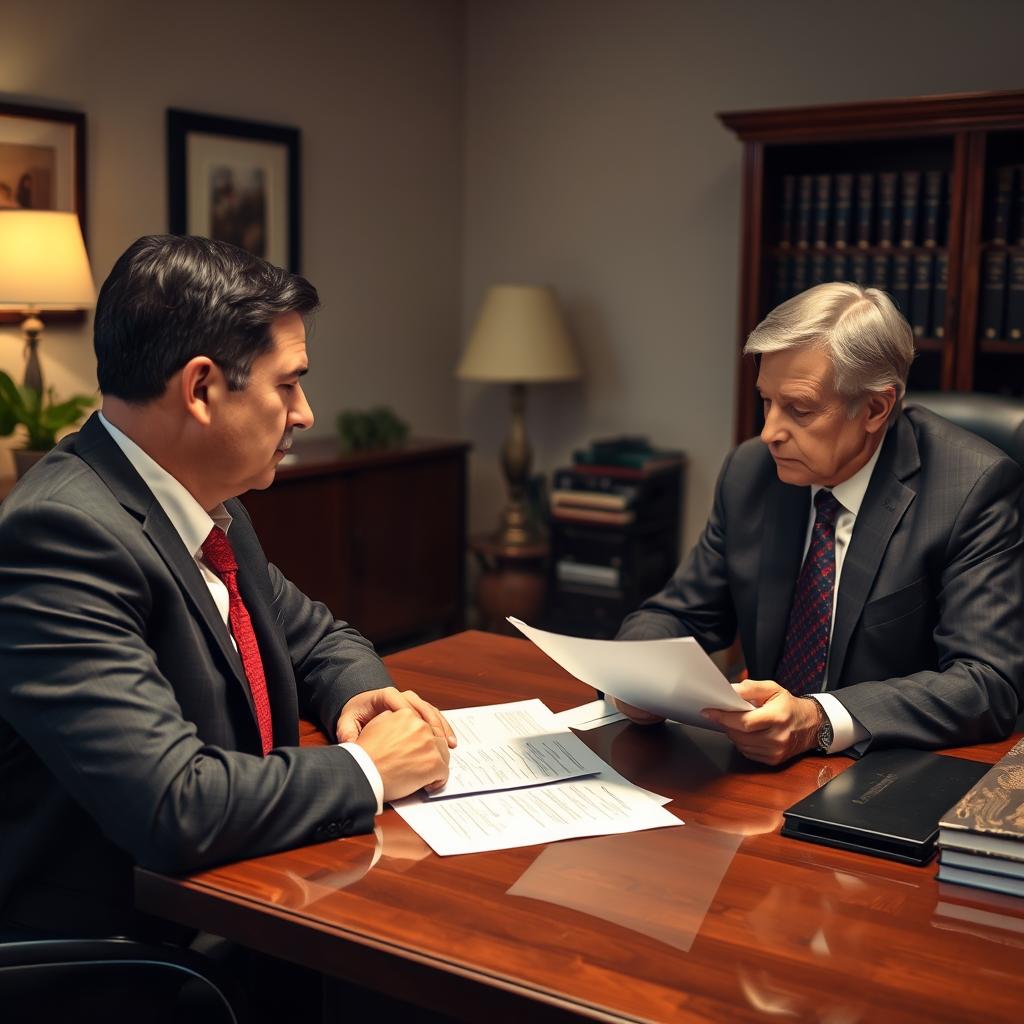
Malicious Wounding Lawyer Falls Church, VA
A malicious wounding charge in Falls Church, Virginia, carries severe consequences that can alter your future. Under Virginia law, malicious wounding requires proof that the accused acted with the intent to maim, disfigure, disable, or kill another person. The matter is prosecuted in the Falls Church General District Court for preliminary hearings and in the Falls Church Circuit Court for felony trials. Because these allegations often turn on intent, medical evidence, and witness statements, early intervention by an experienced legal team is critical. Mr. Sris and his Of Counsel at Law Offices Of SRIS, P.C. Review the charging documents, examine the evidence, and build a defense responsive to the specific facts of the Falls Church case. If you need to speak with a malicious wounding lawyer who appears regularly in Falls Church courts, contact Law Offices Of SRIS, P.C. at (888) 437-7747. Law Offices Of SRIS, P.C. – Advocacy Without Borders.
What Malicious Wounding Means in Falls Church, Virginia
Falls Church is an independent city within the Seventeenth Judicial District of Virginia. A person arrested for malicious wounding in Falls Church first appears before a magistrate at the Falls Church General District Court, located at 300 Park Avenue, Suite 151W, Falls Church, VA 22046. The Honorable Jason S. Rucker presides over general district court matters in this locality. If a probable cause finding is made at a preliminary hearing in the General District Court, the case is certified to the Falls Church Circuit Court for a jury trial or bench trial before a circuit judge.
Malicious wounding is governed by Va. Code § 18.2-51. It is distinguished from unlawful wounding, which does not require the specific intent to maim, disfigure, disable, or kill. Because the element of intent is central, the prosecution must prove that the accused acted with malice—a deliberate and wrongful purpose. Falls Church cases often involve domestic disputes, altercations near commercial areas along Route 7 (Broad Street/Leesburg Pike), or incidents in the neighborhoods surrounding the State Theatre and Eden Center. The Commonwealth’s Attorney for Falls Church prosecutes the charge, and the evidence may include photographs of injuries, medical records, and testimony from treating physicians. Mr. Sris and his Of Counsel examine whether the evidence supports a finding of malice or whether a lesser charge—such as unlawful wounding or assault and battery—more accurately reflects what occurred.
Malicious wounding under Va. Code § 18.2-51 is a Class 3 felony punishable by five to twenty years in prison. If the victim suffers permanent and significant physical impairment, the charge is elevated under § 18.2-51.2 to aggravated malicious wounding, a Class 2 felony carrying a sentence of twenty years to life.
Source: Va. Code § 18.2-51 · § 18.2-51.2. Virginia Code § 18.2-51
Reviewed by Mr. Sris, admitted in VA/MD/DC/NJ/NY.
How Mr. Sris and His Of Counsel Handle Malicious Wounding Cases
Mr. Sris and his Of Counsel approach each Falls Church malicious wounding matter by first identifying the strengths and weaknesses of the prosecution’s case. They request and review all discovery, including police reports, 911 recordings, surveillance footage, and medical documentation. Because malicious wounding often involves a claim of self‑defense, the defense team looks for evidence that the accused acted reasonably to protect themselves or others. In appropriate cases, they consult with independent medical professionals to evaluate whether the alleged injuries are consistent with the version of events presented by the Commonwealth.
The legal team appears at the Falls Church General District Court for arraignment and bond hearings. If bond is set, Mr. Sris and his Of Counsel advocate for a reasonable bond or personal recognizance release, emphasizing community ties and the absence of flight risk. At the preliminary hearing, they cross‑examine witnesses to test the prosecution’s ability to establish probable cause for a felony charge. If the case is certified, the team prepares for trial in the Falls Church Circuit Court, challenging the admissibility of evidence, the credibility of witnesses, and the sufficiency of the prosecution’s proof on the element of malice. Throughout the process, the defense team explores whether a reduction to unlawful wounding or a pre‑indictment resolution is appropriate.
Mr. Sris and his Of Counsel bring extensive combined legal experience. Since 1997, the firm has documented case results in Falls Church criminal matters, including charges that were dismissed or amended to lesser offenses. Results may vary.
About Mr. Sris and His Of Counsel Team
Mr. Sris, Owner and Founder of Law Offices Of SRIS, P.C., is a former prosecutor who established the firm in 1997. He is admitted to practice in Virginia, Maryland, the District of Columbia, New Jersey, and New York. Mr. Sris testified before the Virginia House Courts of Justice Committee in support of 2019 HB 635 (chief patron Del. David Bulova). His experience informs the defense strategy in Falls Church malicious wounding cases, where the Commonwealth’s Attorney brings the charge and the court must determine whether the evidence meets the high standard of proving intent to maim, disfigure, disable, or kill.
Mr. Sris is supported by Of Counsel with backgrounds that include former prosecutors and a former Virginia State Trooper. The Of Counsel team handles all phases of a malicious wounding case—from initial arrest through trial—ensuring that multiple experienced perspectives contribute to the defense. The firm’s Fairfax Location serves clients facing charges in Falls Church. To schedule a consultation about a malicious wounding matter, call (888) 437-7747.
Frequently Asked Questions
What is malicious wounding under Virginia law?
Malicious wounding under Va. Code § 18.2-51 is a felony offense in which a person, acting with malice, stabs, shoots, cuts, or otherwise wounds another with the intent to maim, disfigure, disable, or kill. The statute requires proof of both malice and a specific intent to cause permanent harm. If the Commonwealth does not establish malice, the charge may be reduced to unlawful wounding, a Class 6 felony. The distinction between malicious and unlawful wounding often turns on the circumstances of the altercation and the nature of the injuries.
What are the penalties for malicious wounding in Virginia?
A conviction for malicious wounding under Va. Code § 18.2-51 is a Class 3 felony and carries a prison sentence of five to twenty years. If the victim suffers permanent and significant physical impairment, the charge becomes aggravated malicious wounding under § 18.2-51.2, a Class 2 felony punishable by twenty years to life. A felony conviction also results in the loss of firearm rights and may affect employment and professional licenses. The judge in the Falls Church Circuit Court imposes sentence after considering the evidence presented at trial or a plea.
How does a Virginia lawyer defend against malicious wounding charges?
A defense to malicious wounding in Virginia may include challenging the element of malice, asserting self‑defense, or demonstrating that the evidence supports only a lesser charge such as assault and battery. Mr. Sris and his Of Counsel examine the credibility of witnesses, review medical records to see whether the injuries are consistent with the alleged intent, and investigate whether the accused was lawfully defending themselves. In Falls Church, a thorough investigation often reveals inconsistencies that can be raised at the preliminary hearing or through pretrial motions, potentially experienced to a reduction or dismissal of the charge.
What should I do if I am facing malicious wounding charges in Falls Church?
If you are arrested or charged with malicious wounding in Falls Church, you should immediately contact an experienced criminal defense attorney and refrain from discussing the case with anyone except your lawyer. Do not speak to law enforcement or the Commonwealth’s Attorney’s Office without counsel present. Preserve any evidence that may be relevant to your defense, including photographs, messages, and witness contact information. The earlier legal counsel becomes involved, the better the opportunity to address bond, evidence preservation, and possible pretrial resolutions.
Do I need a lawyer for malicious wounding in Falls Church, Virginia?
Yes, a lawyer is essential when facing malicious wounding charges in Falls Church because the offense is a serious felony with a potential sentence of up to twenty years. Falls Church General District Court handles preliminary hearings, and Falls Church Circuit Court conducts felony trials. Without legal representation, you risk being unable to effectively cross‑examine witnesses, challenge the prosecution’s evidence, or present a defense. Mr. Sris and his Of Counsel have experience handling criminal matters in Falls Church courts and can guide you through each stage of the proceeding.
How does the court process work for malicious wounding charges in Falls Church?
After an arrest for malicious wounding in Falls Church, a magistrate sets bond, and the case begins in the Falls Church General District Court with an arraignment and a date for the preliminary hearing. At the preliminary hearing, the Commonwealth must show probable cause that a felony was committed. If probable cause is found, the case is certified to the Falls Church Circuit Court, where the defendant is arraigned again and may enter a plea. If the matter proceeds to trial, the circuit court hears evidence and determines guilt or innocence. The entire process can take several months, depending on the court’s calendar and the complexity of the evidence.
Additional Resources
Mr. Sris and his Of Counsel also appear in criminal matters in other Northern Virginia localities. You may find these pages helpful:
- Fairfax County criminal defense practice
- Fairfax City criminal lawyer
- Prince William County criminal defense
- Manassas criminal attorney
- Manassas Park criminal defense
Virginia Primary Legal Sources
The following official resources provide the statutory text and court information referenced on this page. They open in a new tab.
- Virginia Code Title 18.2 (Crimes and Offenses)
- Falls Church General District and Circuit Courts
- Virginia Judicial System
Attorney advertising. Prior results do not guarantee a similar outcome. Results may vary.
Case results depend on a variety of factors unique to each case.