
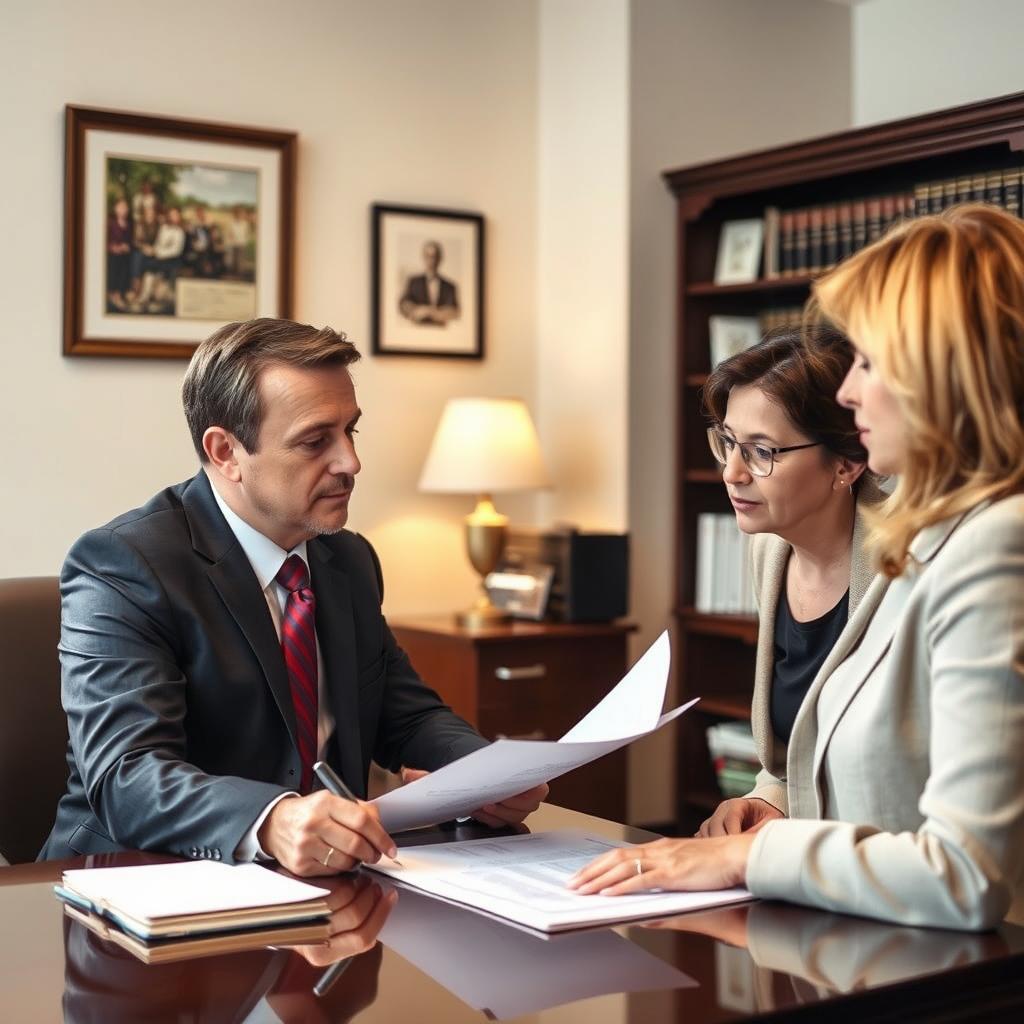
Fault Based Divorce Lawyer Prince William County, VA
If you are considering a divorce in Prince William County and believe fault grounds may apply—adultery, cruelty, desertion, or a felony conviction—you are likely looking for a lawyer who understands how fault can shape property division, spousal support, and the overall direction of your case. Proving fault in a Virginia divorce requires more than an allegation; it requires a carefully built factual record and a clear understanding of the standards that the Prince William County Circuit Court applies. Mr. Sris and the firm’s Of Counsel attorneys at Law Offices Of SRIS, P.C. represent clients in fault-based divorce matters and work to present the evidence courts need to consider fault factors under Virginia law. To discuss your situation, call (888) 437-7747. Law Offices Of SRIS, P.C. – Advocacy Without Borders.
What Fault Based Divorce Means in Prince William County, Virginia
Virginia allows a spouse to seek a divorce on fault grounds listed in Va. Code § 20-91: adultery, cruelty or reasonable apprehension of bodily hurt, willful desertion for one year, and felony conviction resulting in confinement for more than one year. A fault-based divorce differs from a no-fault separation divorce because the court may consider proven fault when determining equitable distribution of marital property under Va. Code § 20-107.3 and when deciding whether to award spousal support. The Prince William County Circuit Court, located at 9311 Lee Avenue in Manassas, has jurisdiction over all divorce, equitable distribution, and spousal support matters for the county, while related custody, visitation, and child support issues may be heard in the Prince William County Juvenile and Domestic Relations District Court.
When fault grounds are alleged, the spouse asserting fault must present competent evidence at trial or through sworn testimony. Virginia is not a community property state; instead, the court distributes marital property equitably—meaning fairly but not necessarily equally—after evaluating factors that include the circumstances and factors that contributed to the dissolution of the marriage. A judicial finding of fault can affect the court’s view of equitable distribution and may influence whether a spousal support award is made and for how long. The procedural requirements—filing a Complaint, service of process, a possible pendente lite hearing for temporary support, and eventual trial or settlement—can become more layered when fault grounds are part of the case, and having counsel who is familiar with the Prince William County court calendar and local practice helps move the case forward.
How Mr. Sris and the Firm’s Of Counsel Attorneys Handle Fault Based Divorce Cases
When a client comes to Law Offices Of SRIS, P.C. Seeking a fault-based divorce, Mr. Sris and the firm’s Of Counsel attorneys begin by assessing whether the claimed fault ground can be credibly proved. This involves gathering the available evidence—witness statements, electronic records, financial records, and any other documentation that supports the allegations under Virginia law. The team then evaluates the likely impact on equitable distribution, spousal support, and, where applicable, custody and parenting-time considerations.
If the evidence supports a fault ground, the firm prepares a Complaint that formally asserts the ground and frames the relief requested. The attorneys handle court appearances at the Prince William County Circuit Court and, when needed, related proceedings in the Juvenile and Domestic Relations District Court. They also engage in negotiations and settlement discussions, working toward a resolution that protects the client’s interests while avoiding unnecessary litigation costs where possible. Throughout the process, Mr. Sris and the firm’s Of Counsel attorneys maintain clear communication about the status of the case, the timeline set by the court, and the strategic decisions that arise.
About Mr. Sris and the Firm’s Of Counsel Attorneys
Mr. Sris, Owner and Founder of Law Offices Of SRIS, P.C., has practiced since 1997 and is admitted in Virginia, Maryland, the District of Columbia, New Jersey, and New York. A former prosecutor, he brings a working understanding of courtroom dynamics and evidence evaluation to every family law matter. Mr. Sris testified before the Virginia House Courts of Justice Committee in support of 2019 HB 635 (chief patron Del. David Bulova), a bill that revised provisions of Virginia’s equitable distribution statute, reflecting his engagement with the law that governs the property issues central to many divorce cases.
The firm’s Of Counsel attorneys add considerable perspective across criminal, family, and civil litigation. Together, Mr. Sris and the firm’s Of Counsel attorneys address fault-based divorce cases with a focus on building a record that supports the client’s position while guiding families through the procedural requirements of the Prince William County courts.
Frequently Asked Questions
What are the fault grounds for divorce in Virginia?
Virginia recognizes four fault grounds for divorce: adultery, cruelty, willful desertion for one year, and conviction of a felony resulting in a prison sentence of more than one year. These grounds are codified in Va. Code § 20-91. A spouse who files on a fault ground must present competent evidence to prove the alleged conduct. The court may consider proven fault when deciding equitable distribution of marital assets and whether to award spousal support. Adultery, in particular, has no waiting period, meaning a divorce can proceed immediately once the ground is established, but the burden of proof rests on the spouse making the allegation.
How does proving fault affect property division and alimony in Virginia?
When a Virginia court finds that one spouse’s fault caused the breakdown of the marriage, that finding can influence both equitable distribution and spousal support. Equitable distribution under Va. Code § 20-107.3 requires the judge to weigh eleven statutory factors, including the circumstances and factors that contributed to the dissolution, so a adultery or cruelty finding may tilt the division away from an equal split. Spousal support determinations also consider the relative fault of the parties, and a spouse who committed adultery is barred from receiving spousal support unless the court finds that a denial would be manifestly unjust. Results vary by case.
Do I need a lawyer for a fault-based divorce in Prince William County?
While you are not legally required to hire a lawyer, fault-based divorces involve proving specific conduct to the satisfaction of the court, which makes legal representation especially important. Establishing fault requires admissible evidence, witness testimony, and often contested hearings at the Prince William County Circuit Court. An attorney who knows the local court procedures and the standards applied by the judges in the Thirty-first Judicial District can help you evaluate the strength of your evidence and present it effectively. Attempting to prove fault without counsel can make an already difficult situation more contentious.
What if my spouse denies the fault allegations?
If the other spouse contests the fault ground, the matter proceeds toward trial unless a settlement is reached. A contested fault-based divorce typically involves discovery, depositions, and motion practice over issues such as pendente lite support, temporary custody, and property preservation. The Prince William County Circuit Court will schedule hearings and, if necessary, a final trial where the judge evaluates the evidence and makes findings of fact. An experienced divorce attorney can help you prepare for the demands of contested litigation and explore opportunities for resolution along the way.
Can I still get a no-fault divorce if I initially file on fault grounds?
Yes, a Virginia divorce petition that alleges fault grounds can later be amended or converted to a no-fault divorce based on a sufficient period of separation. In many cases, the parties eventually reach a property settlement agreement that resolves all issues, and the divorce proceeds on the no-fault ground—either a six-month separation if there are no minor children and a signed agreement, or a one-year separation otherwise. This approach can spare both parties a contentious trial while still allowing the spouse who alleged fault to use that allegation as leverage during negotiations.
How do I schedule a consultation with a fault-based divorce lawyer in Prince William County?
To request a consultation, call Law Offices Of SRIS, P.C. at (888) 437-7747. The firm’s Fairfax location serves clients throughout Prince William County and Northern Virginia. Initial telephone consultations are available, and in-person meetings can be scheduled by appointment. A team member can discuss the facts of your situation, explain the fault grounds available under Virginia law, and outline what the process involves at the Prince William County courts.
Related pages:
Fairfax County family law attorney •
Stafford County family law lawyer •
Fauquier County divorce attorney •
Loudoun County family lawyer •
Arlington County family law attorney
Official resources:
Virginia Code Title 20 – Domestic Relations •
Virginia Judicial System
Attorney advertising. Prior results do not guarantee a similar outcome. Results may vary.
Case results depend on a variety of factors unique to each case.