
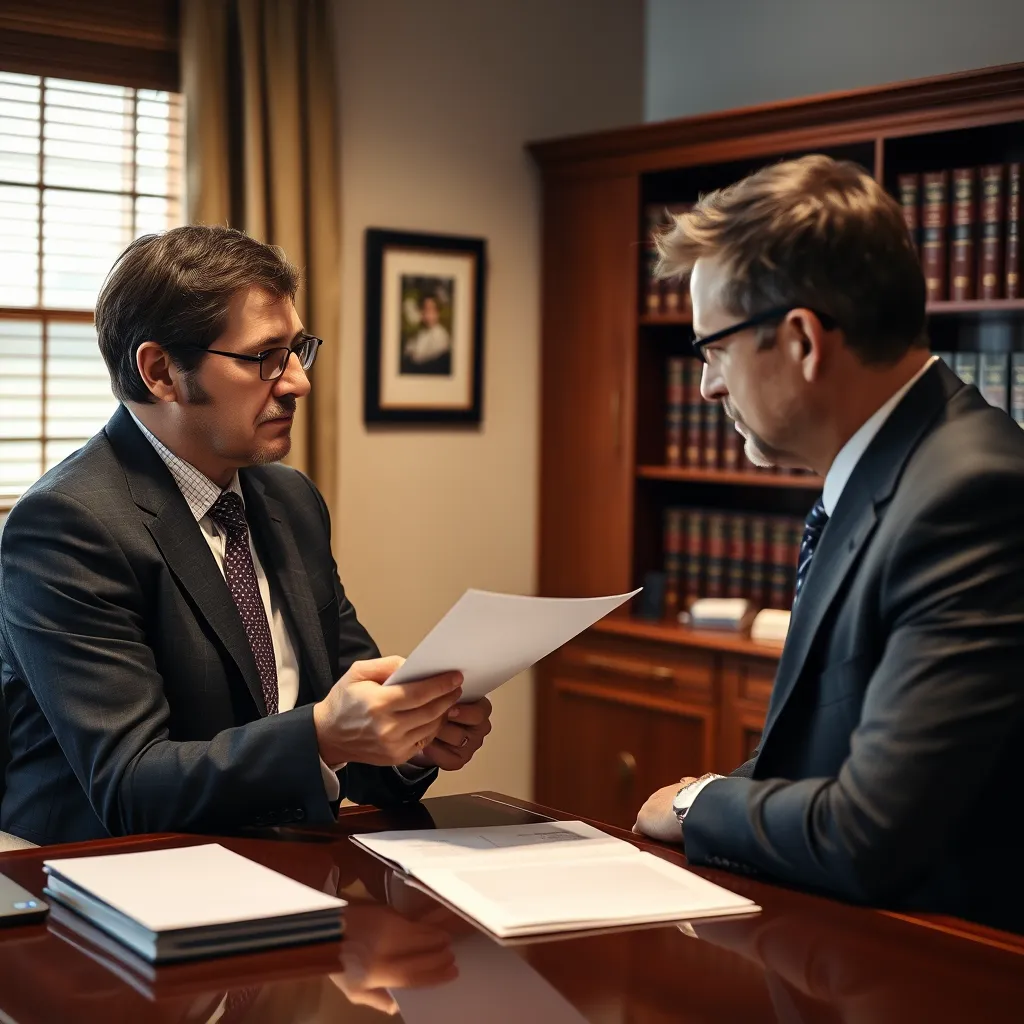
Contested Divorce Lawyer Falls Church, VA
You and your spouse may disagree on how to divide property, share custody of your children, or determine support—turning your divorce into a contested proceeding. In Falls Church, Virginia, a contested divorce means the court must resolve these disputes because the parties cannot reach an agreement. The process unfolds in the Falls Church Circuit Court, which handles divorce, equitable distribution, and spousal support matters under Virginia law. Mr. Sris and his Of Counsel team at Law Offices Of SRIS, P.C. represent clients navigating contested divorces in Falls Church and throughout Northern Virginia. To request a consultation, call (888) 437-7747. Law Offices Of SRIS, P.C. – Advocacy Without Borders.
What Contested Divorce Means in Falls Church, Virginia
A contested divorce in Virginia arises when the spouses cannot agree on one or more key issues—division of marital property, spousal support, child custody, visitation, or child support. The Circuit Court for the City of Falls Church, located at 300 Park Avenue, Suite 151W, Falls Church, VA 22046, has exclusive original jurisdiction over divorce suits. Contested matters are governed by the Virginia Code, including the equitable distribution factors under Va. Code § 20-107.3 and the trusted-interests-of-the-child standard under Va. Code § 20-124.3. The court may consider fault grounds such as adultery, cruelty, or desertion, but most contested divorces proceed on no-fault grounds after the required separation period—six months if there are no minor children and the parties have a written separation agreement, or one year otherwise. Because the parties cannot agree, the court receives evidence, hears testimony, and makes findings on each contested issue.
In Falls Church, the Juvenile and Domestic Relations District Court handles standalone custody, visitation, and child support matters, while the Circuit Court manages the divorce, equitable distribution, and spousal support components. This two-court structure means a contested divorce may involve filings in both venues. The court evaluates property classification, valuation, and distribution under the 11 factors of Va. Code § 20-107.3. It also weighs the ten statutory factors for custody determinations. Our Fairfax Location is familiar with these local courts and the procedures unique to the Seventeenth Judicial District, helping clients understand what to expect from the initial filing through final decree.
How Mr. Sris and His Of Counsel Handle Contested Divorce Cases
When you engage Law Offices Of SRIS, P.C., Mr. Sris and his Of Counsel work to protect your interests at every stage of a contested divorce. The team begins by examining the specific facts of your marriage—the duration, assets, debts, income, and family circumstances—to identify the contested issues that will shape the litigation. They prepare a Complaint for divorce, file it in the Falls Church Circuit Court, and handle service of process on the other party. Throughout the case, they focus on gathering relevant financial documents, assessing property valuation needs, and preparing for temporary hearings on support and custody under Va. Code § 20-103.
The litigation process may include discovery, depositions, and settlement discussions. If a settlement is not possible, Mr. Sris and his Of Counsel present evidence and argue your position at trial before the judge. Their familiarity with the equitable distribution factors and the custody best-interest standard helps them construct a clear, well-supported case. While every divorce is different, the firm’s approach remains consistent: advocate for a fair division of marital assets, a parenting plan that serves the child’s welfare, and support arrangements consistent with Virginia’s statutory guidelines. The goal is to secure a final decree that positions you to move forward with clarity and financial stability.
About Mr. Sris and His Of Counsel Team
Mr. Sris, Owner and Founder of Law Offices Of SRIS, P.C., is a former prosecutor who established the firm in 1997. He practices in domestic relations law and has testified before the Virginia House Courts of Justice Committee in support of 2019 HB 635 (chief patron Del. David Bulova). His Of Counsel team brings specialized experience in litigation, family law, and court procedure, collectively drawing on extensive combined legal experience. Mr. Sris and his Of Counsel have achieved favorable outcomes in a range of family law matters in Falls Church City. Results may vary.
Frequently Asked Questions
What is a contested divorce in Virginia?
A contested divorce occurs when the parties cannot agree on one or more major issues—property division, spousal support, custody, or child support—and ask the court to decide. In Falls Church, the Circuit Court handles divorce suits and related equitable distribution, while the Juvenile and Domestic Relations Court may address standalone custody and support. The court resolves the disputes after hearing evidence and applying Virginia statutory factors.
How does equitable distribution work in a Falls Church contested divorce?
Virginia is an equitable distribution state, meaning marital property is divided fairly—but not necessarily equally—after the court classifies and values assets and debts under Va. Code § 20-107.3. The judge considers 11 statutory factors, including each spouse’s contributions, the marriage duration, and the parties’ ages and health. Separate property, such as assets owned before marriage or received as a gift or inheritance, is not subject to division.
What custody factors does the Falls Church court consider?
The court evaluates the best interests of the child using the ten factors listed in Va. Code § 20-124.3, including each parent’s role, the child’s relationship with each parent, and any history of family abuse. The judge may also consider the child’s reasonable preference. In contested divorce cases, custody may be decided by the Falls Church Juvenile and Domestic Relations Court or the Circuit Court depending on the case posture.
How long does a contested divorce take in Falls Church?
A contested divorce in Falls Church typically takes longer than an uncontested one because the parties must complete discovery, motion practice, and possibly a trial. Uncontested cases with a signed separation agreement may be resolved in a few months after filing, while litigation involving custody or complex equitable distribution can extend well beyond a year. Specific timelines depend on the court’s calendar and the case’s complexity.
Do I need a lawyer for a contested divorce in Falls Church?
While you are not required to hire an attorney, a contested divorce involves procedural rules, evidence requirements, and statutory factors that make legal guidance valuable. An attorney can handle pleadings, discovery, temporary support motions, and trial advocacy. Mr. Sris and his Of Counsel are experienced in Falls Church family law matters and can help protect your rights throughout the litigation.
What should I bring to a consultation about a contested divorce?
You should bring any documents related to your marriage, income, assets, debts, and children, including tax returns, pay stubs, financial account statements, deeds, and any existing separation agreement. A list of questions or concerns about property, support, and custody can also help the discussion. For a consultation, reach Mr. Sris and his Of Counsel at (888) 437-7747.
Related Family Law Locations: Fairfax County Family Law Lawyer | Prince William County Family Law Lawyer | Manassas City Family Law Lawyer | Manassas Park Family Law Lawyer
For more detailed statutory analysis, visit our comprehensive guide at srislawyer.com.
Virginia divorce laws are codified in the official state code. Read the full text: Va. Code § 20-91, Va. Code § 20-107.3. Information about the Virginia court system is available at Virginia’s Judicial System website.
Attorney advertising. Prior results do not guarantee a similar outcome. Results may vary.
Case results depend on a variety of factors unique to each case.