
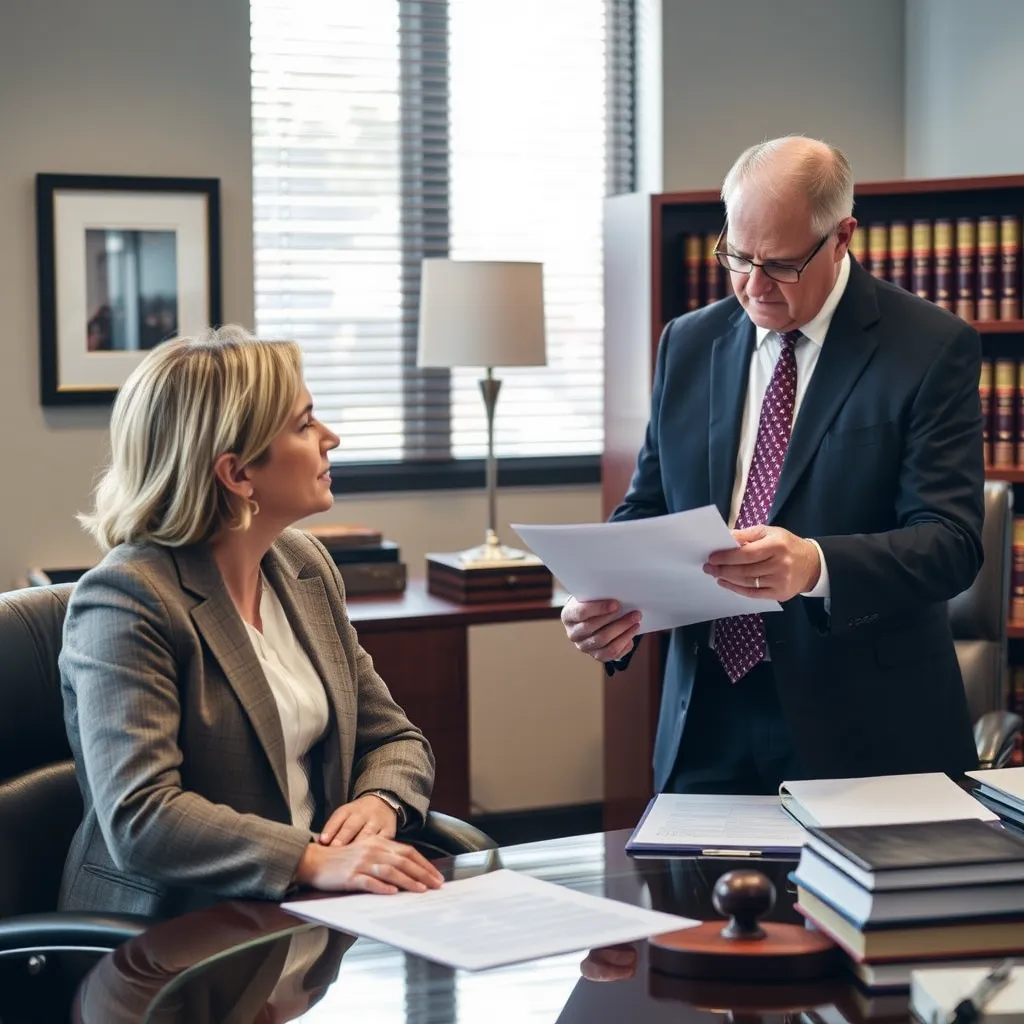
Armed Forces Divorce Lawyer Alexandria, VA
For members of the United States Armed Forces stationed near Alexandria, Virginia, and their spouses, divorce raises distinct legal challenges. Issues of residency, jurisdiction over military pensions, and the potential for stays under the Servicemembers Civil Relief Act require careful navigation. At Law Offices Of SRIS, P.C., Mr. Sris and the firm’s Of Counsel attorneys represent servicemembers and military spouses in Virginia armed forces divorce proceedings. Our Arlington location serves clients throughout the Alexandria area, including those with ties to Joint Base Myer‑Henderson Hall, Fort Belvoir, and other military installations. We concentrate our family law practice on the specific demands of military divorce—equitable distribution of military retirement benefits under Va. Code § 20‑107.3(g), child custody arrangements that account for deployment, and spousal support determinations that reflect military pay structures. Military divorce matters often involve unique procedural issues, such as the division of military retired pay under the Uniformed Services Former Spouses’ Protection Act, which works alongside Virginia’s equitable distribution statute. The Servicemembers Civil Relief Act (SCRA) may stay proceedings while a servicemember is deployed, adding a layer of complexity. Mr. Sris, who has practiced family law since 1997, works closely with the firm’s Of Counsel attorneys to address these overlapping legal frameworks. To request a consultation, call (888) 437‑7747.
Armed Forces Divorce in Alexandria, Virginia
Armed Forces divorce in Virginia includes any dissolution of marriage where one or both spouses are active‑duty, reserve, or retired members of the military. Alexandria, as an independent city located in Northern Virginia and part of the Greater Washington, D.C. Metropolitan area, is home to a significant military population connected to the Pentagon and other installations. Alexandria Circuit Court, located at 520 King Street, 2nd Floor, handles all divorce and equitable distribution matters within the city. The Alexandria Juvenile and Domestic Relations District Court addresses standalone child custody, support, and protective order issues. Virginia law contains specific provisions that affect how a military divorce proceeds, including how a servicemember stationed in Virginia may establish residency for filing. Under Va. Code § 20‑97, one party must be an actual bona fide resident and domiciliary of the Commonwealth for at least six months before filing. For military members, Virginia law may permit the use of a servicemember’s permanent duty station as the basis for establishing domicile, making Alexandria a viable venue for many military families residing in neighborhoods such as Old Town, Del Ray, and Kingstowne. The intersection of federal military benefits law and Virginia’s equitable distribution statute means that the division of military retired pay and other service‑related assets must be handled with careful attention to both legal frameworks. Mr. Sris and the firm’s Of Counsel attorneys appear in Alexandria Circuit Court and the Alexandria Juvenile and Domestic Relations District Court to address these matters, working to achieve outcomes that reflect the realities of military life.
How Mr. Sris and the Firm’s Of Counsel Attorneys Handle Military Divorce Cases
Mr. Sris, practicing since 1997, and the firm’s Of Counsel attorneys handle armed forces divorce matters with attention to the intersection of Virginia family law and military regulations. The process typically begins with a consultation to identify jurisdictional questions, service‑related benefit divisions, and any protective actions needed. For military pension division, we prepare the necessary orders to comply with the Uniformed Services Former Spouses’ Protection Act and Va. Code § 20‑107.3(g), which authorizes direct payment of the marital share of a pension after the issuance of a qualifying court order. We also address issues of child custody and visitation when one parent may be subject to deployment, crafting parenting plans that provide for flexibility and communication. If the SCRA is invoked, we manage any stay of proceedings while protecting our client’s interests, and we take steps to ensure that military benefits are properly valued and classified as marital or separate property under Virginia’s equitable distribution factors. Our team appears in Alexandria Circuit Court for divorce and equitable distribution, and in the Juvenile and Domestic Relations District Court for custody and support matters. We work toward favorable outcomes in each case, guided by the specifics of the client’s situation and the governing statutes.
About Mr. Sris and the Firm’s Of Counsel Attorneys
Mr. Sris, Owner and Founder of Law Offices Of SRIS, P.C., has concentrated his legal career on family law and related areas. He testified before the Virginia House Courts of Justice Committee in support of 2019 HB 635 (chief patron Del. David Bulova), which revised Va. Code § 20‑107.3(g). Mr. Sris is admitted in Virginia, Maryland, the District of Columbia, New Jersey, and New York. The firm’s Of Counsel attorneys bring additional experience in family law, criminal defense, and litigation. Together, Mr. Sris and the firm’s Of Counsel attorneys have handled family law matters across multiple jurisdictions. Law Offices Of SRIS, P.C. was founded in 1997 and maintains a location in Arlington, serving Alexandria and Northern Virginia. To request a consultation, call (888) 437‑7747.
Frequently Asked Questions About Armed Forces Divorce in Alexandria
How does military service affect divorce proceedings in Virginia?
Military service can affect divorce proceedings in Virginia by creating unique jurisdictional challenges, influencing child custody schedules around deployments, and requiring the division of military retirement benefits under federal and state law. The Servicemembers Civil Relief Act (SCRA) may allow for a stay of proceedings while a servicemember is on active duty, potentially extending the timeline. Additionally, Virginia’s equitable distribution process under Va. Code § 20‑107.3 must be coordinated with the Uniformed Services Former Spouses’ Protection Act to ensure a valid division of military retired pay. Our firm works through these overlapping legal frameworks to help clients move forward.
What are the residency requirements for filing a military divorce in Alexandria?
To file for divorce in Alexandria, at least one spouse must have been an actual bona fide resident and domiciliary of Virginia for at least six months before filing, as set out in Va. Code § 20‑97. A servicemember stationed in Virginia may satisfy this requirement if Virginia is their permanent duty station and they intend to remain here. Mr. Sris and the firm’s Of Counsel attorneys can help determine whether your situation meets the domicile requirement for filing in Alexandria Circuit Court, ensuring that jurisdictional prerequisites are properly addressed.
How is a military pension divided in a Virginia divorce?
A military pension is marital property subject to equitable distribution in Virginia, and the division must comply with the Uniformed Services Former Spouses’ Protection Act. Under Va. Code § 20‑107.3(g), a court may order a percentage of the marital share of a pension to be paid directly to the former spouse, typically through a Domestic Relations Order. We prepare these orders and handle the valuation and classification of military retired pay and other service‑related assets to work toward a fair division under Virginia’s statutory factors.
Do I need a lawyer for an armed forces divorce in Alexandria?
While you are not required to have a lawyer for a divorce, the legal and financial issues involved in a military divorce—such as pension division, survivorship benefits, and international child custody concerns—often warrant guidance from an attorney who has experience handling military family law cases. Mr. Sris, practicing since 1997, and the firm’s Of Counsel attorneys can assist with your case, helping you navigate the Virginia court system and federal military regulations. To discuss your matter, call (888) 437‑7747.
What happens to child custody when a military parent is deployed?
Virginia courts consider the best interests of the child when determining custody, and deployment can create the need for temporary custody orders or parenting plan modifications that accommodate the servicemember’s absence. The Virginia Military Parents Equal Protection Act allows for expedited proceedings in certain circumstances. Our firm helps clients negotiate custody arrangements that protect the child’s relationship with both parents while accommodating the demands of military service, including the preparation of visitation schedules that work around deployment cycles.
Can a military divorce be completed while one spouse is overseas?
Yes, it is possible to proceed with a Virginia divorce even if one spouse is stationed overseas or deployed. The servicemember’s state of legal residence or domicile may remain Virginia, and the divorce can proceed in Alexandria if jurisdictional requirements are met. However, service of process and participation may require coordination, and the SCRA may provide protections that affect the timeline. Mr. Sris and the firm’s Of Counsel attorneys can help navigate these cross‑border issues and seek to keep the case moving forward under Virginia law.
Related family law pages:
Family Law Lawyer Fairfax County, VA |
Family Law Lawyer Fairfax (City), VA |
Family Law Lawyer Falls Church (City), VA |
Family Law Lawyer Prince William County, VA |
Family Law Lawyer Manassas (City), VA
Virginia legal resources:
Virginia Code Title 20 (Domestic Relations)
Virginia Courts
Attorney advertising. Prior results do not guarantee a similar outcome.
Results may vary.
Case results depend on a variety of factors unique to each case.