
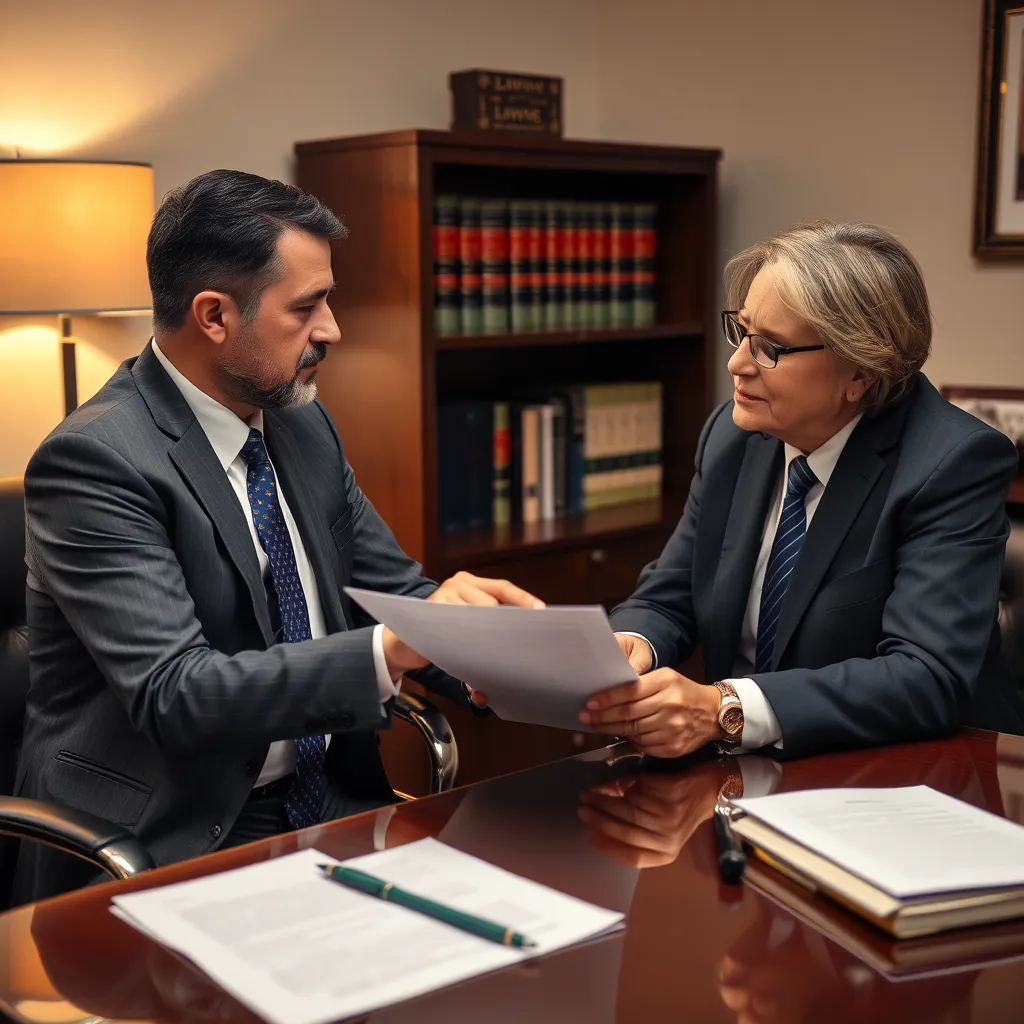
Alimony Contempt Lawyer Falls Church, VA
You open the envelope marked “urgent” and find a show cause order. The court says you failed to pay spousal support as ordered. Now you must appear before a judge in Falls Church to explain why you should not be held in contempt. Or perhaps you are the one waiting for support that never comes, struggling to pay bills because your ex‑spouse stopped the payments. In either scenario, alimony contempt proceedings in Falls Church can lead to serious consequences—wage garnishment, attorney’s fees, property liens, and even incarceration. The Fairfax Location of Law Offices Of SRIS, P.C. serves clients at the Falls Church courts. Call (888) 437‑7747 to schedule a consultation. Law Offices Of SRIS, P.C. – Advocacy Without Borders.
Your Options in an Alimony Contempt Proceeding in Falls Church
If you are the spouse owed support, you may file a motion for a rule to show cause asking the court to compel payment. The court can order the non‑paying spouse to explain the non‑compliance. If the judge finds the violation was willful, sanctions may follow—including a purge clause that requires a lump‑sum payment to avoid incarceration, or a money judgment for the arrears. If you are the spouse facing the contempt charge, you may have valid defenses: an honest inability to pay due to job loss, illness, or other material change in circumstances; lack of willful intent; or that the original support order is invalid or has been modified. Law Offices Of SRIS, P.C. represents both payors and recipients in alimony contempt actions in the Falls Church Circuit Court and the Falls Church Juvenile and Domestic Relations Court, guiding clients through procedural requirements and advocating for a realistic outcome. For a deeper statutory overview, you can review Virginia’s spousal support framework on our main site.
What to Expect from the Alimony Contempt Process in Falls Church
An alimony contempt case typically begins when the aggrieved party files a verified petition for a rule to show cause in the court that issued the original support order. The court then schedules a hearing. The petitioner carries the burden of proving the existence of a valid order, the respondent’s knowledge of it, and a violation. The respondent may then present evidence of inability to pay or other defenses. The judge may hear testimony, review financial records, and ask questions of both parties. After the hearing, the court can dismiss the rule, find no willful violation, or hold the respondent in contempt and craft a remedy designed to coerce compliance—such as ordering payment of arrears by a specific date, awarding attorney’s fees to the petitioner, or setting a purge bond. The exact timeline depends on the court’s calendar, but many contempt hearings are scheduled on an expedited basis because of the ongoing financial strain. Mr. Sris and the firm’s Of Counsel attorneys prepare each case thoroughly, whether you are seeking enforcement or defending against contempt allegations.
Potential Consequences of Alimony Contempt
When a Falls Church court finds a spouse in civil contempt for failing to pay alimony, the goal is to compel payment rather than to punish. The judge may impose a coercive sanction—for example, ordering the respondent to pay a lump sum (the purge amount) by a certain date or face incarceration until the payment is made. The court may also enter a judgment for the total arrearage plus interest, award the petitioner’s attorney’s fees, and garnish wages or place liens on property. If the contempt is criminal in nature, designed to punish a past violation, jail time is possible as a sentence. However, most alimony contempt actions in family court are civil, and the respondent can purge the contempt by complying with the order. An attorney who regularly appears before the Falls Church judges can explain how the local bench typically handles these matters and help you negotiate a resolution that avoids the most drastic measures.
About Mr. Sris and the Firm’s Of Counsel Attorneys
Mr. Sris, Owner and Founder of Law Offices Of SRIS, P.C., has practiced family law since 1997. As a former prosecutor, he brings courtroom experience to every hearing. The firm’s Of Counsel attorneys add further litigation strength. Together, Mr. Sris and the firm’s Of Counsel attorneys bring extensive combined legal experience. Results may vary. Whether you need to enforce a support order or defend against a contempt allegation, the team understands the local procedures in Falls Church and the statutory factors that Virginia courts consider under Va. Code § 20‑107.1. The Fairfax Location at 4008 Williamsburg Court, Fairfax, VA 22032 serves clients throughout the Falls Church area. Call (888) 437‑7747 to schedule a consultation; meetings are by appointment only.
Frequently Asked Questions
What is alimony contempt in Virginia?
Alimony contempt occurs when a person fails to pay court‑ordered spousal support and the recipient asks the court to enforce the order. Under Virginia law, if the judge finds the violation was willful, the court may hold the payor in civil or criminal contempt. Civil contempt aims to force compliance (for example, by requiring a purge payment to avoid jail), while criminal contempt punishes a past violation. The case is filed in the court that issued the original support order—typically the Circuit Court if the support was part of a divorce decree, or the Juvenile and Domestic Relations Court if it was a standalone support order.
Can I go to jail for not paying alimony in Falls Church?
Yes, incarceration is a possible sanction if the court finds you in contempt and you are unable to purge the contempt by paying the amount set by the judge. However, the purpose of most alimony contempt proceedings is coercive, not punitive. The court will usually give you an opportunity to pay a purge amount—the sum needed to avoid jail—and will consider evidence that you truly cannot pay due to disability, unemployment, or other material changes in circumstances. An attorney can help you present that evidence persuasively and may negotiate a payment plan or modification instead of incarceration.
How do I file a motion for contempt in Falls Church?
To start an alimony contempt action, you file a verified petition for a rule to show cause with the clerk of the court that issued the support order. The petition must specify the order, the amount unpaid, and the dates of non‑compliance. The court then issues a rule requiring the other party to appear and explain why they should not be held in contempt. Service of the rule must follow Virginia procedural rules. The Fairfax Location of Law Offices Of SRIS, P.C. can prepare the necessary paperwork and ensure proper service so that the hearing can proceed smoothly.
What defenses are available if I am accused of contempt?
Common defenses include: inability to pay despite good‑faith efforts; lack of willful intent (for example, if you misunderstood the order); material change in circumstances that makes the original support amount unworkable; or that the underlying order is void or has been modified. You may also argue that the petitioner has not met the burden of proof. An experienced alimony contempt attorney will examine your financial records, gather evidence of your circumstances, and argue the strong $1 available to you. The key is to appear in court prepared—ignoring a show cause order can lead to a default finding of contempt.
What happens at a show cause hearing in Falls Church court?
At the hearing, both parties have the opportunity to present evidence and testimony. The petitioner goes first, offering proof of the order and the missed payments. The respondent can cross‑examine witnesses and then present evidence of defenses. The judge may ask questions directly and may review financial documents. At the conclusion, the court will either dismiss the rule, find no willful violation, or find the respondent in contempt and craft a remedy—such as a purge clause, a judgment for arrears, or an award of attorney’s fees. The hearing can often be completed in one session, though complex matters may require additional court dates. Having counsel familiar with the Falls Church bench can make a meaningful difference in how your case is presented.
Can I modify my spousal support instead of facing contempt?
Yes. If your financial circumstances have materially changed—such as a job loss, a serious medical condition, or a significant decrease in income—you may petition the court to modify the existing support order before you fall further behind. A pending modification motion does not automatically stay enforcement of the current order, but it can be used as a defense in a contempt hearing to show that you acted in good faith. An attorney can advise you whether filing for modification is a better strategy than waiting for a contempt action and can help you present the evidence needed to support a reduction. For a consultation on your options, reach Law Offices Of SRIS, P.C. at (888) 437‑7747.
How long does an alimony contempt case take in Falls Church?
The timeline varies based on the court’s calendar and the complexity of the financial issues. Many show cause hearings are scheduled within a few weeks of filing because unpaid support can create immediate financial hardship. Simple cases may be resolved at the first hearing. Cases involving disputed ability to pay, dozens of financial documents, or a request for continued testimony may take longer. The firm’s attorneys will keep you informed of scheduling and help move the matter forward efficiently.
Do I need a lawyer for an alimony contempt matter in Falls Church?
You are not required to have a lawyer, but having one is likely to improve your position. Contempt proceedings involve technical rules of evidence and procedure, and the stakes—incarceration, significant money judgments, or the loss of needed support—are high. An attorney can evaluate the strength of your case, gather the right documentation, and present your argument in a way that the court understands. Because the Fairfax Location of Law Offices Of SRIS, P.C. Frequently handles alimony contempt matters in Falls Church, our team knows how judges in the 17th Judicial District typically approach these cases.
Our firm also assists clients in nearby communities. Explore our family law resources for Fairfax County, Fairfax City, and Prince William County.
For a comprehensive statutory analysis of Virginia spousal support and contempt law, visit our main site’s detailed overview.
Law Offices Of SRIS, P.C. — Fairfax Location
4008 Williamsburg Court, Fairfax, VA 22032
By appointment only. Call (888) 437‑7747 to schedule.
Attorney advertising. Prior results do not guarantee a similar outcome. Results may vary. Case results depend on a variety of factors unique to each case. Law Offices Of SRIS, P.C. serves clients in Virginia, Maryland, the District of Columbia, New Jersey, and New York.