
Note: This article is confirmed by Law Offices Of SRIS, P.C.
AUTHOR BIO:WRITTEN BY
Since 1997, Mr. Sris has led the firm, focusing on the most challenging criminal and family law cases. His background in accounting and information management aids in financial and technology-related cases. Involved in significant legislative changes in Virginia. My focus since founding the firm in 1997 has always been directed towards personally handling the most challenging and involved criminal and family law matters our clients face.
Spouse lawyer Arlington VA
What is spouse legal representation
When dealing with spouse-related legal matters, understanding what legal representation involves is essential. Spouse legal representation refers to having an attorney who handles issues arising from marriage and marital relationships. This includes divorce proceedings, property division, spousal support arrangements, and other marital disputes. In Virginia, family law governs these matters, and local courts follow specific procedures and requirements.
A spouse attorney helps clients understand their rights and obligations under Virginia law. They review marital agreements, assess financial situations, and develop strategies for property division. These attorneys handle court filings, represent clients in hearings, and negotiate settlements when possible. They also address child-related matters when children are involved in the marriage.
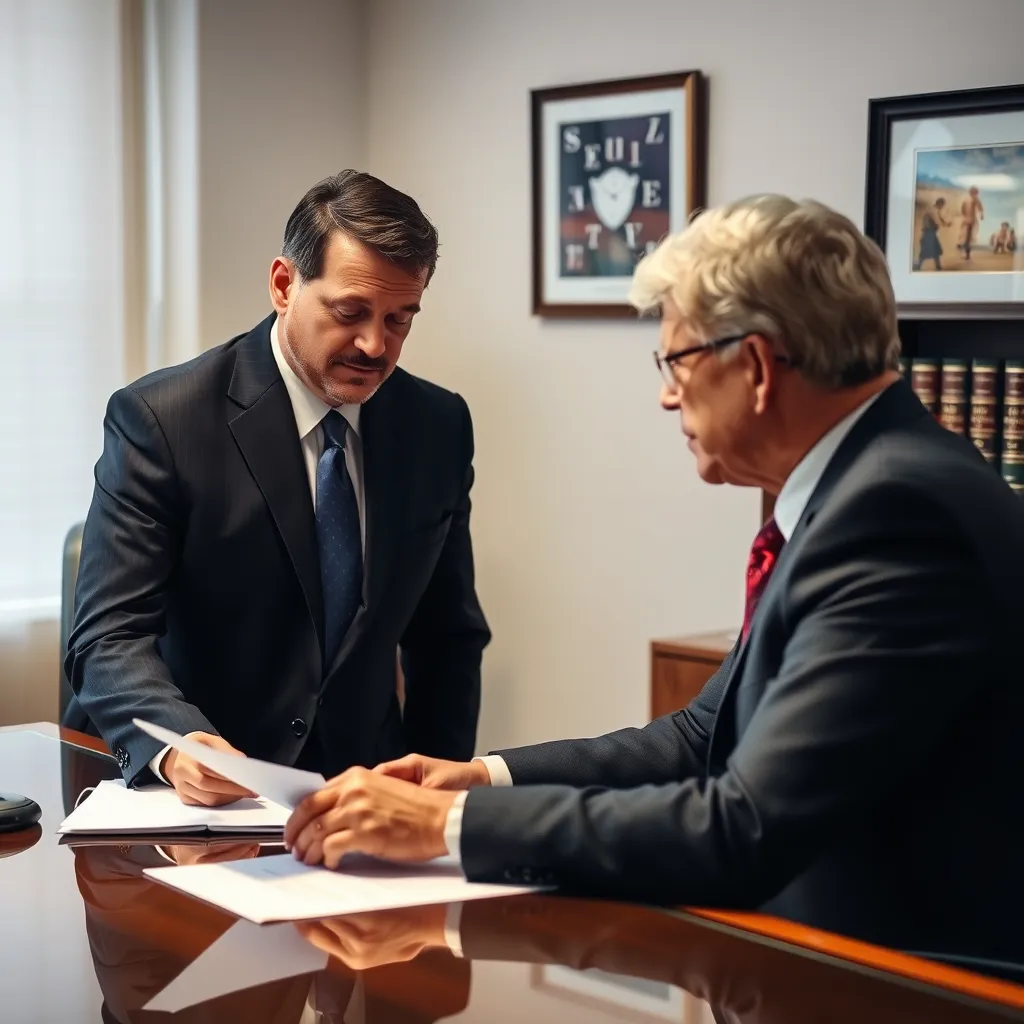
The process begins with an initial consultation where the attorney evaluates your situation. They explain Virginia’s legal requirements for divorce, including residency requirements and grounds for divorce. The attorney gathers necessary documentation, including financial records, property deeds, and other relevant information. They then develop a plan based on your specific circumstances and goals.
Professional legal guidance helps ensure proper handling of involved marital issues. Attorneys stay current with Virginia family law developments and court procedures. They provide objective advice during emotionally challenging situations. Their experience with similar cases helps anticipate potential challenges and develop effective approaches.
Reality Check: Legal processes take time and require proper documentation. Having organized financial records helps your attorney develop effective strategies.
How to address spouse legal matters
Addressing spouse legal matters involves several steps that require attention to detail and understanding of Virginia law. The first step is consulting with a qualified attorney who handles family law matters. During this consultation, you’ll discuss your situation, goals, and concerns. The attorney will explain Virginia’s legal requirements and what to expect throughout the process.
Gathering documentation is an important part of addressing spouse legal matters. This includes financial records, property documents, marriage certificates, and any existing agreements. Your attorney will help identify what information is needed for your specific situation. Proper documentation supports your position during negotiations or court proceedings.
Filing court papers follows specific Virginia procedures. Your attorney prepares and files the necessary documents with the appropriate court. They ensure all paperwork meets legal requirements and deadlines. Court filings initiate the legal process and establish the framework for resolving marital issues.
Negotiation and settlement discussions often occur during spouse legal matters. Your attorney represents your interests during these discussions, working to reach fair agreements on property division, support arrangements, and other issues. When settlements are reached, they become legally binding agreements approved by the court.
Court hearings may be necessary when agreements cannot be reached. Your attorney prepares your case, presents evidence, and argues on your behalf. They follow court procedures and rules of evidence to present your position effectively. Throughout the process, your attorney keeps you informed about developments and next steps.
Straight Talk: Legal processes require patience and organization. Working with an attorney helps ensure proper handling of documentation and court requirements.
Can I handle spouse legal issues alone
Individuals have the right to represent themselves in spouse legal matters, but Virginia’s legal system presents challenges for those without legal training. Court procedures, filing requirements, and evidence rules can be difficult to understand and follow properly. Missing deadlines or filing incorrect documents can delay proceedings or affect outcomes.
Virginia family law involves specific statutes and case law that govern spouse legal matters. Understanding these legal principles requires study and experience. Attorneys who regularly handle these matters stay current with legal developments and court interpretations. They understand how judges typically rule on various issues and what arguments are most effective.
Documentation requirements for spouse legal matters can be extensive. Financial records, property documents, and other evidence must be properly organized and presented. Attorneys know what documentation courts require and how to present it effectively. They also understand what information may be needed during discovery processes.
Negotiation strategies benefit from legal experience. Attorneys understand what constitutes fair settlements based on Virginia law and local court practices. They can assess settlement offers objectively and advise whether they serve your interests. During negotiations, attorneys maintain professional communication while protecting your rights.
Court appearances require understanding procedural rules and proper courtroom conduct. Attorneys know how to present evidence, examine witnesses, and make legal arguments. They prepare clients for what to expect during hearings and help them present their positions effectively.
Blunt Truth: Legal procedures have specific requirements that affect outcomes. Professional guidance helps avoid mistakes that could impact your situation.
Why hire legal help for spouse matters
Hiring legal help for spouse matters offers several benefits during challenging times. Attorneys provide professional guidance through Virginia’s legal system, helping clients understand their rights and options. They explain legal concepts in understandable terms and provide realistic assessments of possible outcomes. This guidance helps clients make informed decisions about their situations.
Legal representation ensures proper handling of court procedures and documentation. Attorneys prepare and file court papers according to Virginia requirements, meeting deadlines and following proper formats. They gather and organize necessary documentation, presenting it effectively during negotiations or court proceedings. Proper handling of these administrative aspects helps prevent delays or procedural issues.
Negotiation experience benefits clients during settlement discussions. Attorneys understand what constitutes fair agreements under Virginia law and local court practices. They advocate for their clients’ interests while maintaining professional communication with opposing parties. Their objective perspective helps clients avoid emotional decisions that might not serve their long-term interests.
Court representation provides professional advocacy during hearings. Attorneys present evidence, examine witnesses, and make legal arguments according to court rules. They understand courtroom procedures and how to present cases effectively. Their experience with similar matters helps anticipate potential challenges and develop appropriate responses.
Legal help provides emotional support during difficult times. While attorneys cannot provide counseling, their professional guidance helps reduce stress by handling legal aspects of the situation. They keep clients informed about progress and next steps, providing clarity during uncertain periods.
Reality Check: Legal processes involve specific requirements that affect outcomes. Professional guidance helps ensure proper handling of these requirements.
FAQ:
What does a spouse lawyer handle?
Spouse lawyers handle divorce, property division, support arrangements, and other marital matters under Virginia law.
How long do spouse legal matters take?
The duration varies based on case challenge, court schedules, and whether agreements can be reached through negotiation.
What documentation is needed for spouse matters?
Financial records, property documents, marriage certificates, and any existing agreements are typically required.
Can spouse matters be settled without court?
Many spouse matters are settled through negotiation and mediation without requiring court hearings.
What are Virginia’s divorce requirements?
Virginia requires residency and specific grounds for divorce, which your attorney can explain based on your situation.
How are property and assets divided?
Virginia law governs property division, considering various factors that your attorney can discuss with you.
What is spousal support?
Spousal support involves financial arrangements between former spouses based on Virginia guidelines and circumstances.
How much do spouse legal services cost?
Costs vary based on case challenge and required services, which your attorney can discuss during consultation.
What if my spouse has an attorney?
Having your own attorney ensures your interests are represented during negotiations and proceedings.
Can I change attorneys during my case?
You can change attorneys, though timing and procedures should be discussed with legal professionals.
What happens during court hearings?
Attorneys present evidence and arguments according to court procedures, with judges making decisions based on Virginia law.
How do I prepare for spouse legal matters?
Gather relevant documentation and consult with an attorney to understand your options and Virginia requirements.
Past results do not predict future outcomes