
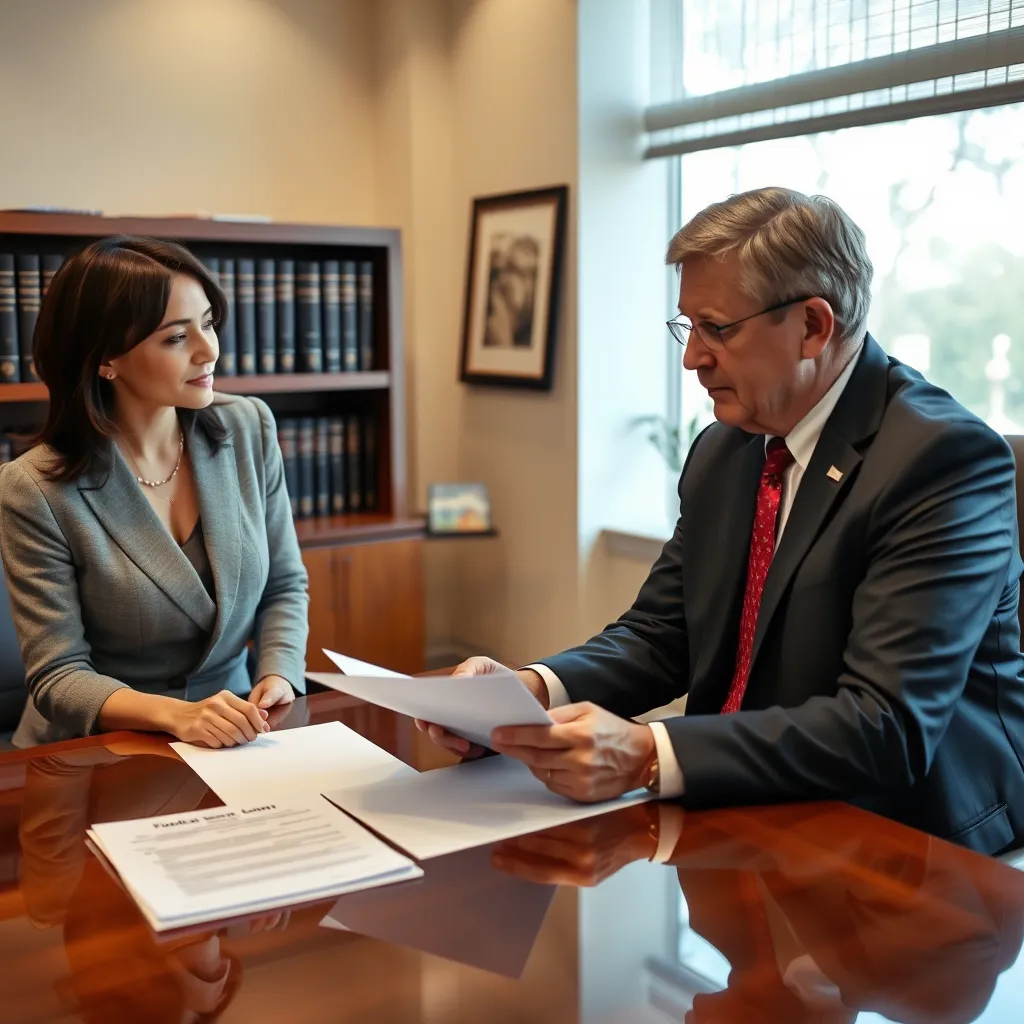
Fault Based Divorce Lawyer Falls Church, VA
When the breakdown of a marriage in Falls Church is tied to serious misconduct—adultery, cruelty, or desertion—you may be entitled to pursue a fault-based divorce rather than waiting through Virginia’s no-fault separation periods. A fault ground can affect property division, spousal support, and even child custody. At Law Offices Of SRIS, P.C., Mr. Sris and the firm’s Of Counsel attorneys represent clients in fault-based divorce proceedings in Falls Church Circuit Court, guiding them through the legal requirements and practical considerations of alleging fault under Virginia law. Whether you are the spouse seeking to establish fault or the spouse responding to such a claim, our attorneys work to protect your interests throughout the process. For a confidential consultation, reach Law Offices Of SRIS, P.C. at (888) 437-7747. Law Offices Of SRIS, P.C. – Advocacy Without Borders.
What a Fault Based Divorce Means in Falls Church, Virginia
Virginia permits both no-fault and fault-based divorces. A fault-based divorce, governed by Va. Code § 20-91, allows one spouse to end the marriage immediately upon proving specific grounds—without the mandatory waiting periods that apply to a no-fault separation. The recognized fault grounds in Virginia include adultery, cruelty (reasonable apprehension of bodily harm), willful desertion or abandonment for one year, and conviction of a felony resulting in confinement for more than one year. In Falls Church, a fault-based divorce is filed in the Falls Church Circuit Court, which has exclusive original jurisdiction over divorce actions. If children are involved, related custody, visitation, and support matters may be heard in the Falls Church Juvenile and Domestic Relations District Court, but the divorce itself and equitable distribution of marital property remain in the Circuit Court.
Because Falls Church is a small independent city within the Seventeenth Judicial District, its courts handle a manageable volume of family law cases. The local bench is accustomed to fault-based divorce litigation and the evidentiary standards that accompany it. Proving adultery, for example, requires clear and convincing evidence—often more than mere suspicion. Cruelty must rise to the level of conduct that makes continued cohabitation unsafe. Our attorneys, who routinely appear in Falls Church courts, understand these local procedural expectations and work to assemble the necessary proof while candidly assessing the strength of the fault allegations.
How Mr. Sris and the Firm’s Of Counsel Attorneys Handle Fault Based Divorce Cases
Pursuing a fault-based divorce begins with a thorough evaluation of the facts. Mr. Sris and the firm’s Of Counsel attorneys examine the specific circumstances—witness availability, documentary evidence, and any admissions by the opposing party—to determine whether a fault ground can be established. The choice of ground has significant consequences: a finding of adultery can completely bar spousal support for the offending spouse, and a finding of cruelty or desertion can influence the court’s equitable distribution of marital assets under Va. Code § 20-107.3. Our approach is to give you a realistic assessment of what the evidence supports and how the court is likely to weigh it.
From the initial filing of the Complaint through discovery and, if necessary, trial, we manage each stage with attention to procedural detail. Virginia requires at least one corroborating witness for an uncontested divorce, and in a fault-based contested divorce, the evidentiary burden falls squarely on the party alleging fault. Our attorneys prepare clients and witnesses, challenge inadmissible evidence, and present the case in a way that respects the sensitivities of a family law dispute while effectively advancing the client’s objectives. Throughout the process, we remain available to discuss settlement possibilities—many fault-based cases resolve through negotiated agreements that avoid a full trial.
About Mr. Sris and the Firm’s Of Counsel Attorneys
Mr. Sris, Owner and Founder of Law Offices Of SRIS, P.C., established the firm in 1997 and has concentrated his practice on family law and complex litigation for decades. A former prosecutor, he brings courtroom experience to every matter the firm handles. Mr. Sris is admitted in Virginia, Maryland, the District of Columbia, New Jersey, and New York, and he personally oversees the firm’s fault-based divorce practice in Northern Virginia, including Falls Church. The firm’s Of Counsel attorneys contribute additional depth in litigation, evidence analysis, and family law procedure, working closely with Mr. Sris to prepare each case.
Together, Mr. Sris and the firm’s Of Counsel attorneys serve clients from the firm’s Fairfax location, which is conveniently situated for Falls Church residents. By appointment, we meet with clients at 4008 Williamsburg Court in Fairfax, and we appear regularly at the Falls Church Circuit Court at 300 Park Avenue. For a consultation about a fault-based divorce, call (888) 437-7747.
Frequently Asked Questions
What is a fault-based divorce in Virginia?
A fault-based divorce in Virginia is one in which the party seeking the divorce proves that the other spouse committed a specific marital wrong, such as adultery, cruelty, or desertion. Unlike a no-fault divorce, a fault-based divorce does not require a period of separation—once the ground is proven, the court may grant the divorce immediately. The grounds are listed in Va. Code § 20-91. Filing typically occurs in the Circuit Court, and the spouse alleging fault bears the burden of producing clear and convincing evidence. If you are considering a fault-based divorce in Falls Church, speaking with an attorney early can help you evaluate whether the evidence meets the legal standard.
What are the grounds for a fault-based divorce in Falls Church, Virginia?
The primary fault grounds under Virginia law are adultery, cruelty, desertion, and conviction of a felony resulting in a prison sentence of more than one year. Adultery, if proven, can have the most dramatic effect—it may bar the adulterous spouse from receiving spousal support. Cruelty requires actions that cause reasonable apprehension of bodily harm. Desertion requires proof that the spouse left the marital home and remained away for one year without justification. Falls Church Circuit Court handles these matters under the Seventeenth Judicial District. An experienced attorney can help you understand which ground, if any, fits your situation.
How does fault affect property division and spousal support in Virginia?
Virginia is an equitable distribution state, meaning marital property is divided fairly but not necessarily equally, and fault can be one of the factors the court considers. Under Va. Code § 20-107.3, the court examines the circumstances and factors that contributed to the dissolution of the marriage. If the court finds that one spouse’s misconduct—particularly adultery or cruelty—led to the breakup, it may award a larger share of the marital estate to the innocent spouse. More importantly, a fault ground like adultery can bar spousal support entirely. Discussing your financial picture with an attorney is essential before filing.
Do I need a lawyer for a fault-based divorce in Falls Church?
You are not required by law to have a lawyer, but because fault-based divorces involve complex evidentiary standards and high stakes for property division and support, most people benefit from experienced legal representation. Proving fault requires gathering admissible evidence, navigating discovery, and presenting testimony in court—tasks that are difficult for a pro se litigant. At Law Offices Of SRIS, P.C., we handle all phases of the case, from initial consultation through trial. For a confidential discussion of your situation, call (888) 437-7747.
How do I start a fault-based divorce in Falls Church?
Begin by consulting with a family law attorney who regularly practices in the Falls Church Circuit Court. The process starts with filing a Complaint for divorce that states the fault ground. Your attorney will gather supporting evidence—emails, texts, financial records, witness statements—and guide you through the discovery and negotiation phases. Because a fault claim can be emotionally charged and legally demanding, obtaining early legal advice helps you avoid missteps. Reach Law Offices Of SRIS, P.C. at (888) 437-7747 to schedule a consultation.
Related Family Law Services in Northern Virginia
Fairfax County family law attorney •
Fairfax City divorce lawyer •
Prince William County family lawyer
Virginia Family Law Resources
Virginia Code Title 20 (Domestic Relations) •
Virginia Circuit Courts
Attorney advertising. Prior results do not guarantee a similar outcome. Results may vary.
Case results depend on a variety of factors unique to each case.