
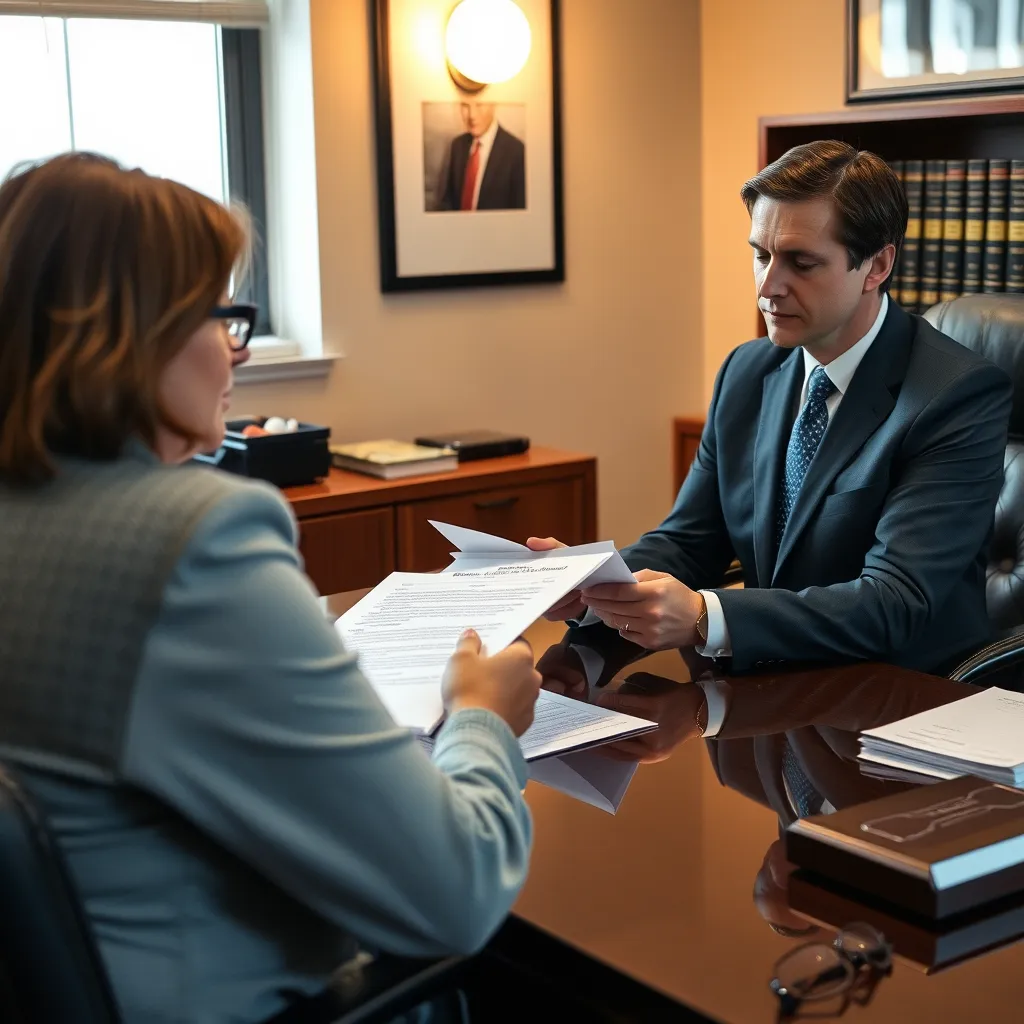
Restraining Order Lawyer Fairfax, VA
Restraining orders—often called protective orders—can arise from family disputes, domestic situations, or allegations of abuse. In Fairfax, Virginia, these matters are heard primarily by the Fairfax County Juvenile and Domestic Relations District Court, which has authority over protective order petitions under Virginia Code § 16.1-253.1 and § 16.1-279.1. Whether you need to petition for a protective order or you are responding to a petition filed against you, having experienced legal guidance can make an important difference. Mr. Sris and the firm’s Of Counsel attorneys at Law Offices Of SRIS, P.C. represent clients in Fairfax County and Fairfax City courts, advocating for their interests in restraining order proceedings. The firm’s Fairfax location is conveniently situated to serve individuals and families throughout Northern Virginia. To request a consultation, call (888) 437-7747. Law Offices Of SRIS, P.C. – Advocacy Without Borders.
What Restraining Orders Mean in Fairfax, Virginia
A restraining order—also referred to as a protective order—is a court order that can restrict contact between individuals, order one party to stay away from a residence or workplace, and in some cases grant temporary custody or support. In Fairfax County and Fairfax City, these petitions are typically filed in the Juvenile and Domestic Relations District Court if no divorce is pending, or in the Circuit Court when the order is part of a divorce or custody case. The Fairfax County J&DR Court is located at 4110 Chain Bridge Road, Fairfax, VA 22030, and the Fairfax City court is at 10455 Armstrong Street, Room 101.
Under Virginia law, three types of protective orders can issue: an emergency protective order (often granted by a magistrate after hours), a preliminary protective order (issued after an initial hearing, typically lasting up to 15 days or until a full hearing), and a permanent protective order (which can remain in effect for up to two years). Whether you are a petitioner seeking protection or a respondent defending against an allegation, the court will consider evidence including witness testimony, police reports, medical records, and digital communications. Having an attorney who is familiar with Fairfax County court practices can help you present your side effectively.
How Mr. Sris and the Firm’s Of Counsel Attorneys Handle Restraining Order Cases
Law Offices Of SRIS, P.C. approaches every restraining order matter with a focus on the individual facts and the legal standards set by the Virginia Code. Mr. Sris and the firm’s Of Counsel attorneys begin by reviewing the petition or the allegations, collecting relevant evidence, and discussing your goals—whether that means obtaining a protective order, defending against one, or negotiating a resolution that avoids a contested hearing. Because these proceedings can move quickly, we respond promptly to court deadlines and work to be fully prepared for each stage.
We appear regularly in the Fairfax County Juvenile and Domestic Relations District Court and the Fairfax County Circuit Court, as well as the Fairfax City courts. The firm’s attorneys understand how local judges and magistrates handle protective order petitions, what evidence they typically weigh, and how to challenge improper claims. In some situations, a consent order can be negotiated without a trial; in others, a contested hearing is necessary. Mr. Sris and the firm’s Of Counsel attorneys will explain your options and advocate for your interests at every hearing.
About Mr. Sris and the Firm’s Of Counsel Attorneys
Mr. Sris, Owner and Founder of Law Offices Of SRIS, P.C., established the firm in 1997. A former prosecutor, he has spent his career on both sides of the courtroom, and he practices in Virginia, Maryland, the District of Columbia, New Jersey, and New York. The firm’s Of Counsel attorneys bring extensive combined legal experience to family law matters. Results may vary. The firm serves clients in English, Spanish, and Tamil, and consultations are available by phone 24 hours a day.
The firm’s Fairfax location at 4008 Williamsburg Court, Fairfax, VA 22032, is by appointment. You can reach the firm at (888) 437-7747 to schedule a consultation. Whether you are in Fairfax, Burke, Centreville, Herndon, Reston, or any of the surrounding Northern Virginia communities, Mr. Sris and the firm’s Of Counsel attorneys are prepared to help with your protective order matter.
Frequently Asked Questions
What are the different types of protective orders in Virginia?
Virginia law provides for emergency protective orders (EPO), preliminary protective orders (PPO), and permanent protective orders, each with different procedures and durations. An EPO can be issued by a magistrate and lasts up to three days. A PPO is granted after a brief hearing and remains in effect until a full hearing, usually within 15 days. A permanent protective order can last up to two years and may be extended in certain circumstances. The court can also include provisions related to custody, support, and possession of a residence. (Va. Code § 16.1-253.1, § 16.1-279.1)
Where do I file for a protective order in Fairfax?
To petition for a protective order in Fairfax, you generally file at the Fairfax County Juvenile and Domestic Relations District Court unless the matter is part of a pending divorce, in which case you file in the Fairfax County Circuit Court. The J&DR Court is located at 4110 Chain Bridge Road, Suite 210, Fairfax, VA 22030. For Fairfax City residents, the Fairfax City J&DR Court at 10455 Armstrong Street, Room 101, handles protective orders. Court staff can provide the necessary forms, but an attorney can help you present a complete and compelling petition.
What happens if someone violates a protective order in Fairfax?
Violating a protective order in Virginia is a criminal offense under Virginia Code § 18.2-60.4 and can result in arrest, fines, and jail time. A first violation may be charged as a Class 1 misdemeanor, punishable by up to 12 months in jail and a fine of up to $2,500. Repeated violations or violations involving acts of violence can lead to more severe charges. If you are the protected party, report any violation to the police immediately. If you are accused of violating an order, you should consult with an attorney before making any statements.
Do I need a lawyer for a restraining order hearing in Fairfax?
While you are not required to have an attorney, experienced legal representation can help you navigate the court process, present evidence effectively, and protect your rights. Protective order hearings move quickly, and the rules of evidence still apply. An attorney who regularly appears in Fairfax County courts can anticipate what the judge will focus on, cross-examine witnesses, and argue for or against the order. To discuss your situation, call Law Offices Of SRIS, P.C. at (888) 437-7747.
How long does a protective order last in Virginia?
A permanent protective order can remain in effect for up to two years, though the court may extend it upon a further showing of need. A preliminary protective order lasts until the full hearing, typically up to 15 days. An emergency protective order expires after approximately three days. If circumstances change, either party can file a motion to modify or dissolve the order. The duration also depends on whether the order was issued as part of a criminal case or a family law matter.
What evidence is used in Fairfax protective order cases?
Common evidence includes witness testimony, photographs of injuries or property damage, text messages, emails, voicemails, police reports, and medical records. The court may also consider prior incidents of violence or threats. Fairfax County judges typically expect clear documentation. If you are the petitioner, bring any records you have to your attorney consultation. If you are the respondent, you may present evidence that refutes the allegations or demonstrates that the petition was filed for improper reasons. An attorney can help you gather and present the evidence most likely to influence the court’s decision.
For additional family law resources in the area, see our pages for
Fairfax County family lawyer,
Falls Church family lawyer, and
Prince William County family lawyer.
Primary sources:
Virginia Code Title 20 (Domestic Relations) ·
Virginia Courts
Attorney advertising. Prior results do not guarantee a similar outcome. Results may vary.
Case results depend on a variety of factors unique to each case.