
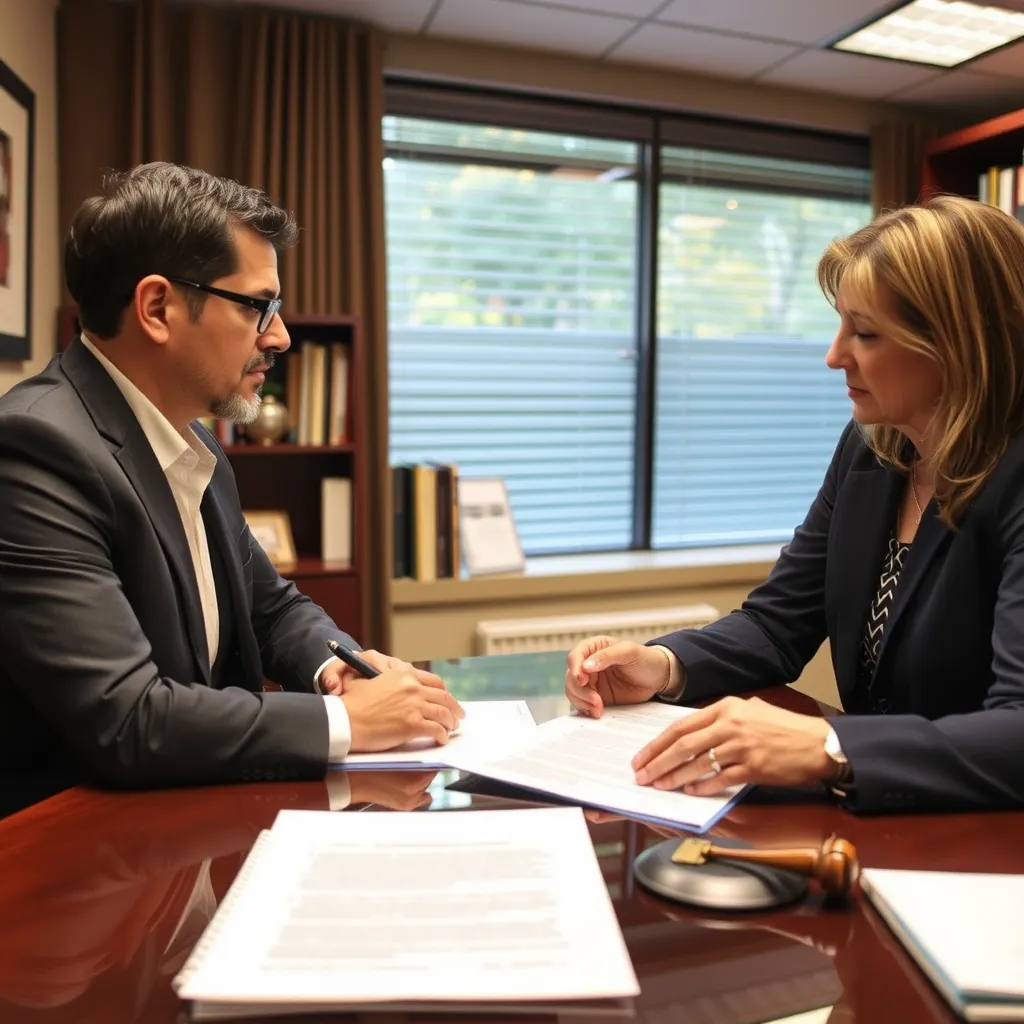
Kinship Guardianship Lawyer Fairfax, VA
Kinship guardianship matters in Fairfax, Virginia, involve a relative or close family friend seeking legal responsibility for a child when the biological parents cannot provide care. In Virginia, kinship guardianship is governed by Va. Code § 64.2-2000 et seq., and the proceedings take place in either the Fairfax County Juvenile and Domestic Relations District Court or the Fairfax County Circuit Court, depending on whether the matter is tied to an ongoing divorce or custody case. These cases can be emotionally charged and procedurally layered, requiring careful navigation of the Commonwealth’s statutory factors and local court expectations. Law Offices Of SRIS, P.C. assists families throughout Fairfax County—including Fairfax City, Burke, Centreville, Chantilly, Herndon, Reston, McLean, Vienna, Tysons, Oakton, Springfield, Annandale, and the Falls Church area—with petitions for kinship guardianship and related family law issues. Mr. Sris and the firm’s Of Counsel attorneys work with clients to present thorough, well‑documented petitions that address the child’s best interests as defined under Virginia law. To discuss a kinship guardianship matter, reach Law Offices Of SRIS, P.C. at (888) 437-7747. Law Offices Of SRIS, P.C. – Advocacy Without Borders.
What Kinship Guardianship Means in Fairfax, VA
Kinship guardianship allows a relative—such as a grandparent, aunt, uncle, or adult sibling—or a close family friend to obtain legal custody and decision-making authority over a child without terminating the parents’ rights entirely. Unlike adoption, kinship guardianship preserves certain parental rights while granting the guardian the authority to make educational, medical, and day‑to‑day decisions for the child. In Fairfax County, the Fairfax County Juvenile and Domestic Relations District Court handles standalone custody and guardianship petitions, while the Fairfax County Circuit Court handles guardianship issues that arise as part of a divorce or equitable distribution action. The court considers several factors when deciding whether to grant a kinship guardianship, including the child’s relationship with the proposed guardian, the parents’ ability to care for the child, and any history of abuse or neglect. Virginia law requires a thorough assessment of the child’s circumstances, and the court may appoint a Guardian ad Litem to represent the child’s interests. Because each case turns on its specific facts, legal guidance can help ensure that the petition accurately presents the family’s situation and complies with local procedural requirements.
Fairfax County is home to a diverse population with many multigenerational households, and kinship guardianship cases often arise when a parent faces challenges such as military deployment, incarceration, health issues, or financial instability. Our Fairfax location serves families throughout the region, and Mr. Sris and the firm’s Of Counsel attorneys are familiar with the local court practices and the expectations of the judges who hear these matters. The Fairfax County Juvenile and Domestic Relations District Court is located at 4110 Chain Bridge Road, Fairfax, VA 22030, and the Fairfax County Circuit Court is also on that campus. Because the two courts have different procedures, it is important to file the petition in the correct court and to understand which documents and affidavits must be submitted. For example, a kinship guardianship petition typically requires a detailed affidavit describing the child’s current living situation, the parents’ circumstances, and the proposed guardian’s relationship to the child. Mediation is not mandatory in Virginia but can be a useful tool in some cases to reach agreement among family members. Our firm helps clients prepare and file the necessary paperwork and represents them at every scheduled hearing.
How Mr. Sris and the Firm’s Of Counsel Attorneys Handle Kinship Guardianship Cases
When a relative or family friend takes on the care of a child, the legal process can feel overwhelming. Mr. Sris and the firm’s Of Counsel attorneys approach each kinship guardianship matter by first gaining a clear understanding of the family dynamic, the child’s needs, and the legal obstacles that may arise. This includes examining whether any prior custody or protective orders are in place, whether the Department of Social Services is involved, and whether the parents consent or contest the petition. The attorneys then develop a strategy tailored to the specific factual circumstances and the applicable Virginia statutes. Because every family is different, there is no one‑size‑fits‑all approach; instead, the firm focuses on building a well‑supported petition that addresses the statutory factors under Va. Code § 64.2-2000 et seq. And presents a compelling case for why the proposed guardianship serves the child’s best interests.
In Fairfax County courts, the process generally involves filing the petition, serving notice on the parents and any other interested parties, attending a preliminary hearing, and proceeding to a final evidentiary hearing if the matter is contested. At the hearing, the court considers testimony from the proposed guardian, the parents, and any other witnesses, as well as reports from a Guardian ad Litem if one has been appointed. The court then determines whether the guardianship is in the child’s best interests and, if so, enters an order granting the guardian legal authority. Mr. Sris and the firm’s Of Counsel attorneys represent clients throughout this process, from the initial consultation through the final order and any post‑order modifications. Because the legal standards are fact‑intensive, the attorneys gather evidence, interview potential witnesses, and prepare clients to testify effectively. Throughout the representation, the focus remains on the child’s welfare and on building a stable, long‑term arrangement.
About Mr. Sris and the Firm’s Of Counsel Attorneys
Mr. Sris, Owner and Founder of Law Offices Of SRIS, P.C., has practiced law since 1997 and is admitted in Virginia, Maryland, the District of Columbia, New Jersey, and New York. A former prosecutor, he brings an understanding of courtroom procedures and evidence presentation that benefits clients in all family law matters. Mr. Sris testified before the Virginia House Courts of Justice Committee in support of 2019 HB 635 (chief patron Del. David Bulova). Mr. Sris and the firm’s Of Counsel attorneys bring extensive combined legal experience to kinship guardianship cases. Results may vary.
The firm’s Of Counsel attorneys are independent, experienced practitioners who work with Mr. Sris on family law and other matters. They are familiar with the Fairfax County court system and the nuances of Virginia guardianship law. Together, Mr. Sris and the firm’s Of Counsel attorneys focus on achieving practical, stable outcomes for families in Fairfax County and throughout Northern Virginia. Clients can expect a professional, detail‑oriented approach and consistent communication throughout the case. To speak with a member of the team about a kinship guardianship, call (888) 437-7747.
Frequently Asked Questions
Who can file for kinship guardianship in Fairfax, Virginia?
A relative or close family friend who has a substantial relationship with the child may petition for kinship guardianship in Fairfax County, Virginia. The petitioner must demonstrate that the parents are unable or unwilling to care for the child adequately and that the proposed guardianship is in the child’s best interests. The court examines the nature of the relationship, the child’s adjustment to the proposed guardian’s home, and any history of abuse or neglect. Grandparents, aunts, uncles, adult siblings, and other relatives frequently seek kinship guardianship, but non‑relatives with a significant bond may also qualify. The petition is filed in the Fairfax County Juvenile and Domestic Relations District Court or in the Circuit Court if connected to a divorce case.
How does a Virginia lawyer help with a kinship guardianship case?
A Virginia lawyer guides the petitioner through the pleading requirements, evidence gathering, and court hearings involved in a kinship guardianship case. Under Va. Code § 64.2-2000 et seq., the court applies statutory factors to determine whether the guardianship serves the child’s best interests. An experienced attorney evaluates the specific facts, helps prepare affidavits and supporting documents, examines procedural compliance, and represents the petitioner at all hearings. The attorney can also negotiate with other parties and address any objections raised by the parents or social services. For guidance on your specific situation, reach Law Offices Of SRIS, P.C. at (888) 437-7747.
What is the difference between kinship guardianship and adoption in Virginia?
Kinship guardianship grants legal custody and decision‑making authority to a relative or close family friend without terminating the biological parents’ rights, while adoption permanently severs the parent‑child relationship. In a kinship guardianship, the parents may retain visitation rights and may later seek to regain custody if circumstances improve. Adoption, by contrast, is final and irrevocable. Kinship guardianship can be a faster, less adversarial alternative when the goal is to provide a stable home for the child while preserving some family ties. The court decides which arrangement is appropriate based on the child’s best interests and the parents’ circumstances.
Do both parents need to consent to a kinship guardianship in Fairfax?
Not always; a kinship guardianship can be granted over the objection of one or both parents if the court finds that the parents are unable or unwilling to care for the child and that the guardianship is in the child’s best interests. If a parent consents, the process is often smoother, but contested cases proceed to an evidentiary hearing. The court receives testimony, reviews evidence, and may appoint a Guardian ad Litem. Even if a parent initially objects, the court may ultimately grant the petition after a full hearing. To discuss the details of your matter, contact Law Offices Of SRIS, P.C. at (888) 437-7747.
How long does a kinship guardianship case take in Fairfax County?
The timeline for a kinship guardianship case in Fairfax County varies depending on whether it is contested, the court’s schedule, and any related proceedings. Uncontested cases with parental consent may resolve more quickly, while contested matters can extend for several months. Interim emergency guardianship orders may be available in urgent situations, such as when a child is at risk of harm. The court sets hearings based on its calendar, and the involvement of a Guardian ad Litem can also affect the pace. An attorney can provide an estimate after reviewing the specific facts of the case. For a consultation, reach Mr. Sris and the firm’s Of Counsel attorneys at (888) 437-7747.
Can a kinship guardianship be modified or terminated later?
Yes, a kinship guardianship in Virginia can be modified or terminated by the court if circumstances change and the modification or termination is in the child’s best interests. A parent who regains the ability to care for the child may petition to end the guardianship, and the guardian may request modifications to the order. The court applies the same best‑interests standard used in the original proceeding. Modification or termination requires filing a petition and serving notice on all interested parties. The process may involve a new hearing and, in some cases, appointment of a Guardian ad Litem.
For additional information, visit these official Virginia resources: Virginia Code Title 64.2 — Guardianship and Conservatorship, Fairfax County Circuit Court, Fairfax County Juvenile and Domestic Relations District Court.
Also see our related pages: Fairfax County Family Law Lawyer, Falls Church Family Law Lawyer, Prince William County Family Law Lawyer.
Attorney advertising. Prior results do not guarantee a similar outcome.
Results may vary.
Case results depend on a variety of factors unique to each case.