
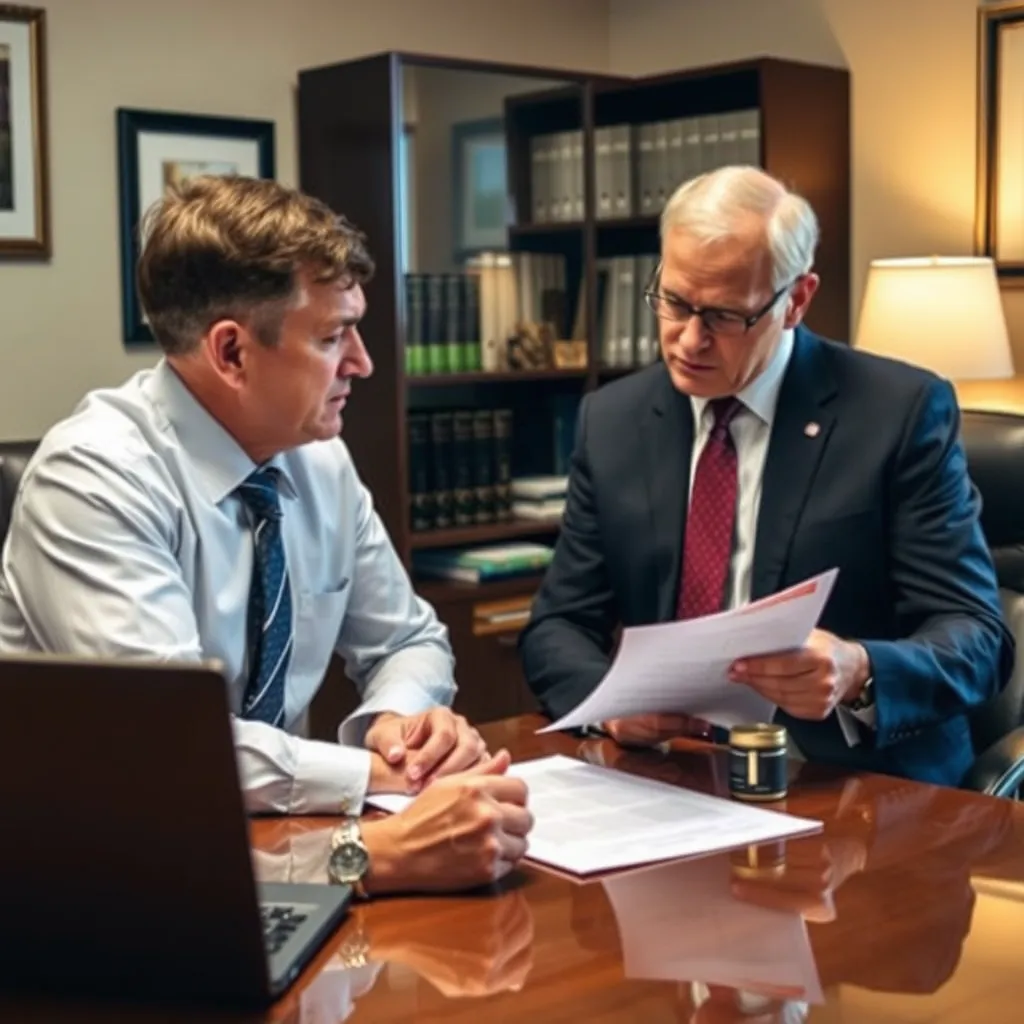
Divorce Decree Enforcement Lawyer Alexandria, VA
You are served with a motion to enforce the divorce decree—your former spouse says you have violated the court’s orders. You may face financial sanctions or even incarceration if the Alexandria Circuit Court finds you in contempt. This enforcement proceeding moves fast and the stakes are high, but you do not have to respond alone. At Law Offices Of SRIS, P.C., Mr. Sris and the firm’s Of Counsel attorneys represent individuals in Alexandria enforcement matters, working to protect your rights and resolve disputes without unnecessary escalation. Reach our location at (888) 437-7747 to schedule a consultation. Law Offices Of SRIS, P.C. – Advocacy Without Borders.
Strategy Options When Enforcing or Defending a Decree in Alexandria
When a party believes a former spouse has disregarded provisions on property division, support, or custody, they can ask the Alexandria Circuit Court to enforce the existing order. The court may issue a rule to show cause, requiring the responding party to explain why sanctions should not be imposed. Mr. Sris and the firm’s Of Counsel attorneys approach enforcement from both sides. For the moving party, we gather documentation of the violation and present a clear record to the court. For the responding party, we examine the decree’s language, look for compliance efforts, and identify changed circumstances that may support a modification. Often, a negotiated resolution—whether a payment plan, a revised schedule, or a formal modification—resolves the dispute without a contested hearing. Our aim is to bring clarity and finality to the enforcement process while minimizing the emotional and financial toll on the family.
What to Expect in an Alexandria Enforcement Proceeding
Enforcement of a divorce decree in Alexandria is handled in the Alexandria Circuit Court (divorce and property matters) or the Alexandria Juvenile and Domestic Relations District Court (custody and support matters). The process typically begins when one party files a motion with evidence of the alleged violation. The court then schedules a hearing. At the hearing, both sides present evidence and may call witnesses. The judge evaluates whether a violation occurred and, if so, determines the appropriate remedy. Possible outcomes include an order compelling compliance, a money judgment for arrears, suspension of a license, or a finding of civil contempt that could include a fine or jail time until the violation is cured. In some cases, the court may modify the underlying decree if circumstances have materially changed. Mr. Sris and the firm’s Of Counsel attorneys help you understand the specific court procedures and prepare for each stage.
Potential Consequences of Violating a Virginia Divorce Decree
Virginia courts take non‑compliance with divorce decrees seriously. Under Va. Code § 20‑91 (divorce grounds) and related enforcement provisions, a party who fails to obey a court order may be held in contempt. Civil contempt can result in a monetary fine or jail until the party performs the required act. Willful failure to pay support can also lead to a criminal misdemeanor charge under Virginia law. In addition, the court may award the other party’s attorney fees and costs. The enforcement order can affect credit, professional licenses, and even passport renewal if support obligations are involved. Every case is different, and the outcome depends on the facts and the court’s assessment of willfulness. Mr. Sris and the firm’s Of Counsel attorneys help clients navigate these risks and work toward outcomes that protect both legal rights and long‑term stability.
Experienced Representation from Mr. Sris and the Firm’s Of Counsel Attorneys
Mr. Sris, Owner and Founder of Law Offices Of SRIS, P.C., has practiced family law since 1997 and is a former prosecutor with firsthand insight into court procedures and the pressures that enforcement actions create. He appears in Alexandria courts and brings a practical, efficient approach to resolving post‑divorce disputes. The firm’s Of Counsel attorneys add extensive combined legal experience in family law matters across Northern Virginia. Together, Mr. Sris and the firm’s Of Counsel attorneys work to craft durable solutions—whether through negotiation, motion practice, or hearing representation. Results may vary. Reach our location at (888) 437-7747 to discuss your enforcement situation.
Frequently Asked Questions
What is the most effective way to enforce a divorce decree in Alexandria?
A motion to enforce filed in the Alexandria Circuit Court (or Juvenile and Domestic Relations Court for custody/support) is the primary tool to compel compliance. The moving party presents evidence of the violation and requests a remedy—such as a money judgment or contempt sanction. An experienced attorney can help you determine the strongest approach for your particular circumstances and represent you at the hearing.
What should I do if I am accused of violating a divorce decree in Virginia?
Respond promptly and gather any documentation that shows your compliance or changed circumstances. Do not ignore a rule to show cause. The court takes enforcement seriously, and failure to appear can result in a bench warrant. Contact an attorney immediately; early legal guidance can help you avoid unnecessary sanctions and identify defenses such as inability to pay or mutual agreement modifying the underlying obligation.
What are the penalties for failing to follow a divorce decree in Virginia?
A court may impose civil contempt sanctions—including fines and jail until compliance—as well as award attorney fees against the non‑complying party. In egregious cases, a willful refusal to obey a support order may be prosecuted as a criminal misdemeanor. The specific consequences depend on the nature of the violation, the language of the decree, and the court’s discretion. An attorney can help you present mitigating facts and negotiate alternatives to severe sanctions.
Can a divorce decree be modified if enforcement is sought against me?
Yes, if you can show a material change in circumstances since the original decree. For example, a substantial involuntary loss of income might support a support modification request even while facing enforcement. The court will consider the trusted‑interest factors and the equities before granting a modification. Raising a modification defense in an enforcement proceeding can be complex, and legal guidance is advisable to protect your rights.
Do I need a lawyer for a divorce decree enforcement hearing in Alexandria?
You are not required to have a lawyer, but enforcement proceedings carry serious consequences—including potential jail time and financial penalties—so experienced legal representation is frequently consulted. A lawyer familiar with Alexandria courts can analyze the decree’s language, prepare evidence, and advocate effectively. Mr. Sris and the firm’s Of Counsel attorneys regularly appear in Alexandria enforcement matters and can guide you through each step of the process.
How can I reach an enforcement lawyer in Alexandria for an initial discussion?
Contact Law Offices Of SRIS, P.C. at (888) 437-7747 to schedule a consultation. We serve clients in Alexandria, Old Town, Del Ray, Kingstowne, and throughout the City of Alexandria. All consultations are by appointment; we can discuss your enforcement concerns and explain possible paths forward.
Related practice areas: Fairfax County family law lawyer • Fairfax City family law attorney • Falls Church family law lawyer • Prince William County family law attorney • Manassas family law lawyer
Primary legal authority: Virginia Code Title 20 (Domestic Relations) • Alexandria Circuit Court
Consultation by appointment. Arlington Location — 1655 Fort Myer Dr, Suite 700, Room 719, Arlington, VA 22209. Reach us toll‑free at (888) 437-7747.
Attorney advertising. Prior results do not guarantee a similar outcome. Results may vary.
Case results depend on a variety of factors unique to each case.